General Atomics Resumes Drone-Wingman Flights Following Software Adjustments

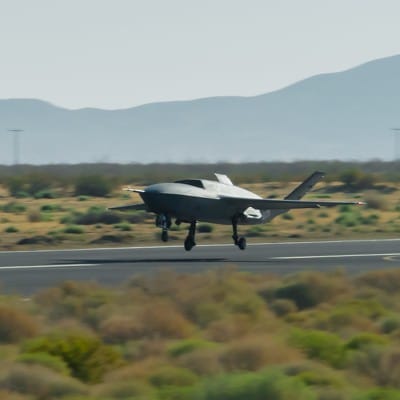
Operational Resumption of Drone-Wingman Flights
General Atomics has restarted its drone-wingman flight operations after a recent mishap led to a thorough investigation by the Air Force in collaboration with the defense contractor. This decision, announced on [insert date here], follows the implementation of a crucial software change intended to address the issues identified during the investigation.
Context and Implications of the Investigation
The investigation highlighted the importance of software integrity in unmanned aerial systems, particularly as the military increasingly incorporates these advanced technologies into its operations. The collaborative effort between the Air Force and General Atomics reflects a proactive approach to ensuring safety and reliability in military drone operations. Such measures are vital as the U.S. seeks to maintain a technological edge in aerial warfare and surveillance.
Enhancements to the software may improve operational capabilities, allowing for better coordination between manned and unmanned systems. The integration of drone-wingman platforms is critical for enhancing mission effectiveness, reducing risks to human pilots, and optimizing resource allocation in combat scenarios.
Why It Matters
The resumption of drone-wingman flights signals a renewed confidence in unmanned systems and their role in modern warfare. This development raises questions about how quickly the military can adapt its strategies to incorporate these technologies effectively. Analysts will be watching further updates from General Atomics and the Air Force to gauge the long-term impact on military operations and procurement strategies for unmanned systems. Enhanced drone capabilities could reshape air combat dynamics, emphasizing the need for ongoing investment in software and technology to ensure operational readiness.
Sources: Defenseone, Defense One, DefenseScoop, The War Zone, and Business Insider