Germany Considers F-35 Acquisition After FCAS Program Setbacks

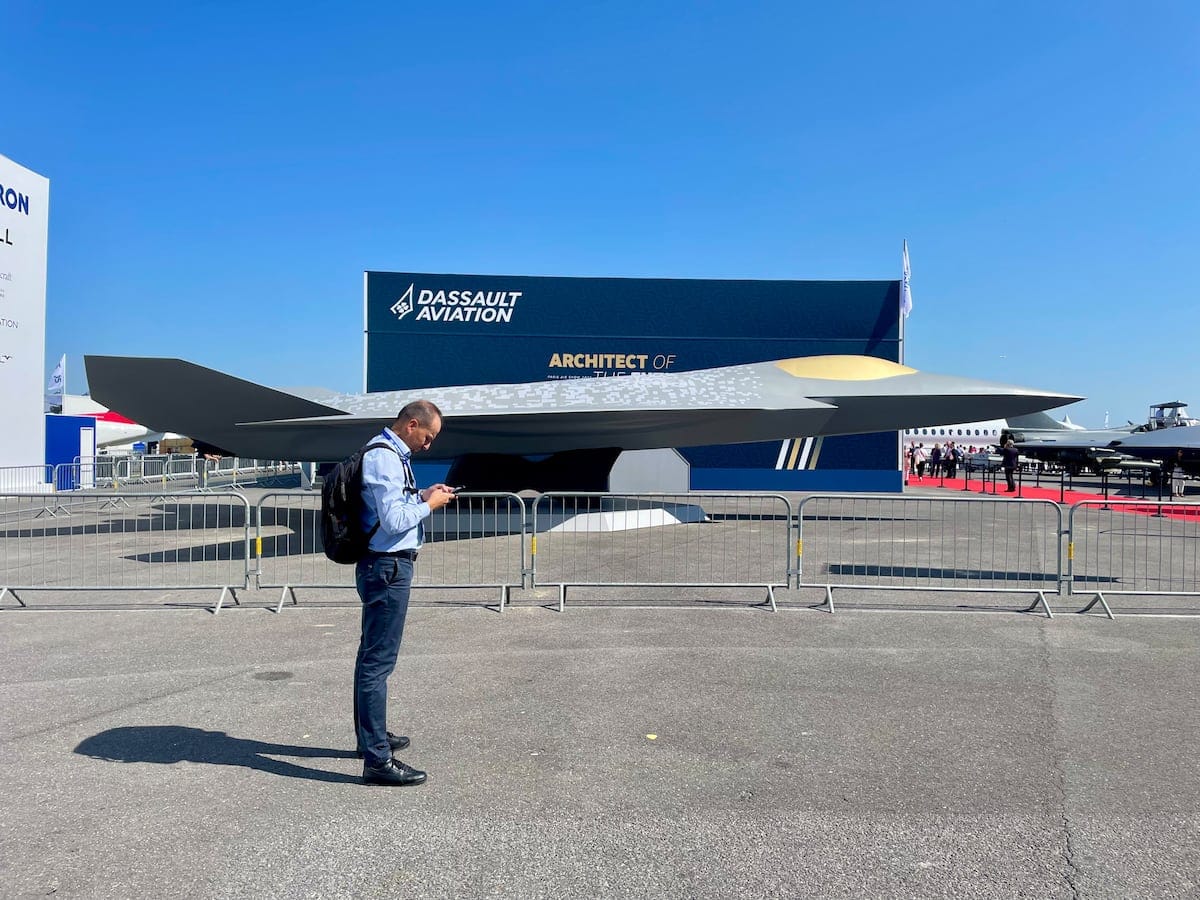
Context of the FCAS Program's Challenges
The future of Germany's air combat capabilities is under scrutiny following significant setbacks in the Future Combat Air System (FCAS) program. German Defense Minister Boris Pistorius stated, “Knowing what we know today, we wouldn’t set up a program in this way again.” This admission reflects the challenges that have plagued the FCAS initiative, raising questions about the viability of indigenous defense projects in Europe.
As the FCAS program faces potential termination, Germany is reevaluating its air defense strategy, which may include increasing its reliance on established platforms. One viable option is the procurement of additional F-35 warplanes, which have already been integrated into several NATO member states' arsenals. This shift signifies a possible pivot towards more conventional procurement strategies, emphasizing interoperability with allies.
Why This Matters
The implications of this shift are profound for both Germany and NATO. Should Germany proceed with the acquisition of more F-35s, it would not only enhance its air combat capabilities but also strengthen collective defense strategies within the alliance. This raises the question of how other European countries will respond to Germany's potential pivot toward American systems, especially amid ongoing discussions about European defense autonomy and capability development. The focus on the F-35 could signal a broader trend of rethinking defense procurement strategies in light of recent programmatic failures, highlighting the need for more effective collaboration in defense initiatives across Europe.
Sources: Defensenews, Carnegie Endowment for International Peace, Reuters, Euronews, and Air Data News