Germany Deploys Patriot Battery to Turkey, Enhancing NATO's Eastern Defense

Deployment Overview
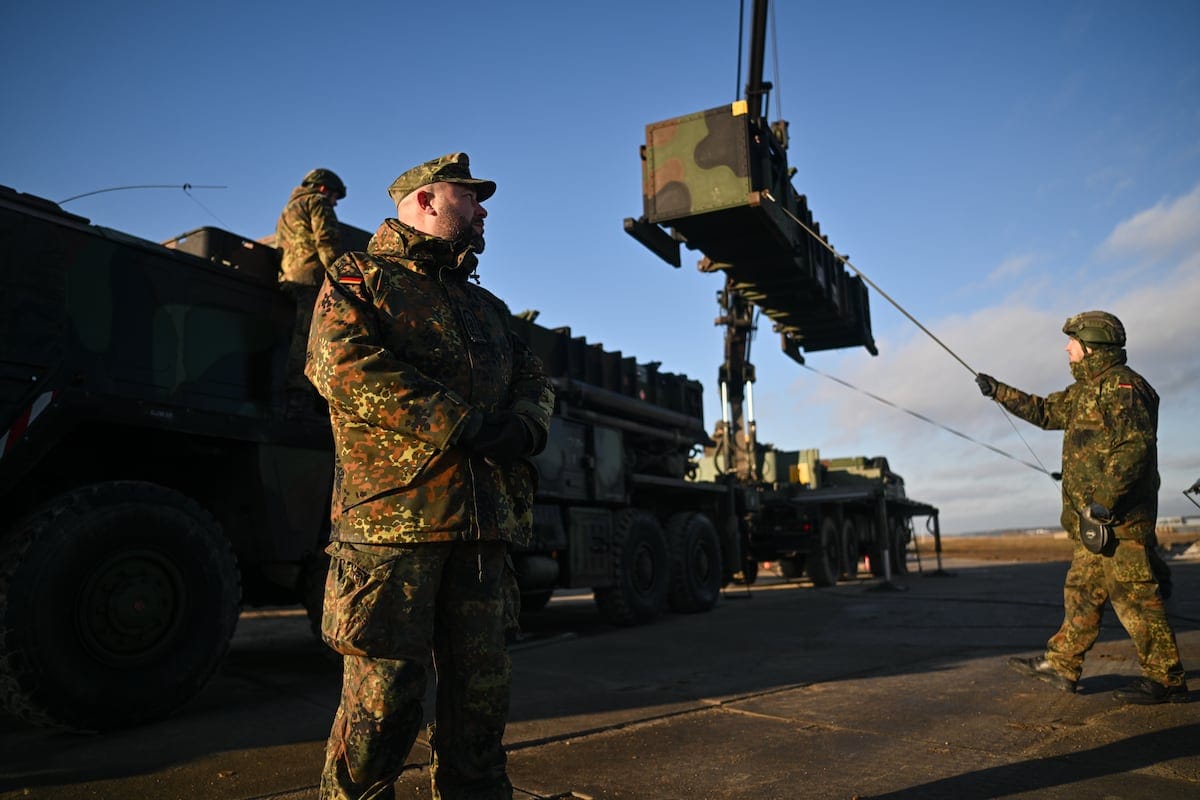
Germany is set to deploy a Patriot missile battery to Turkey, a move aimed at bolstering NATO's southeastern flank amidst heightened tensions in the region. This initiative will relieve U.S. forces currently stationed in Turkey, allowing them to focus on other commitments. The decision reflects Germany's commitment to collective defense and is framed in Berlin as an exercise in burden-sharing among NATO allies, particularly in the context of potential threats from Iran.
Strategic Implications
The deployment underscores a significant shift in NATO's operational posture, particularly in response to Iranian missile capabilities that threaten regional security. By positioning the Patriot system in Turkey, NATO aims to enhance its defensive capabilities against aerial threats, including those originating from Iran. This action not only strengthens Turkey's defense but also symbolizes a unified front among NATO members in addressing shared security challenges.
Germany's decision to take on this role comes at a time when the alliance is reassessing its strategic priorities in light of evolving threats. The deployment may also influence the dynamics of U.S. military presence in the region, particularly as it relates to force allocation and readiness. As U.S. forces transition out of this specific mission, analysts will be watching how this affects overall NATO cohesion and response capabilities in the face of potential Iranian aggression.
Why it matters: The move to deploy a Patriot battery to Turkey is significant for NATO's collective defense strategy and illustrates the alliance's adaptability in the face of emerging threats. As tensions with Iran continue to escalate, this deployment not only enhances Turkey's defensive posture but also reinforces NATO's commitment to mutual defense. The implications of this action will likely extend beyond immediate military readiness, influencing diplomatic relations and operational strategies within the alliance.
Sources: Defensenews, Defense News, Reuters, Kurdistan24, and Turkish Minute