Germany Deploys Ships to Djibouti Amid Multinational Mission Plans

Deployment Details and Strategic Context
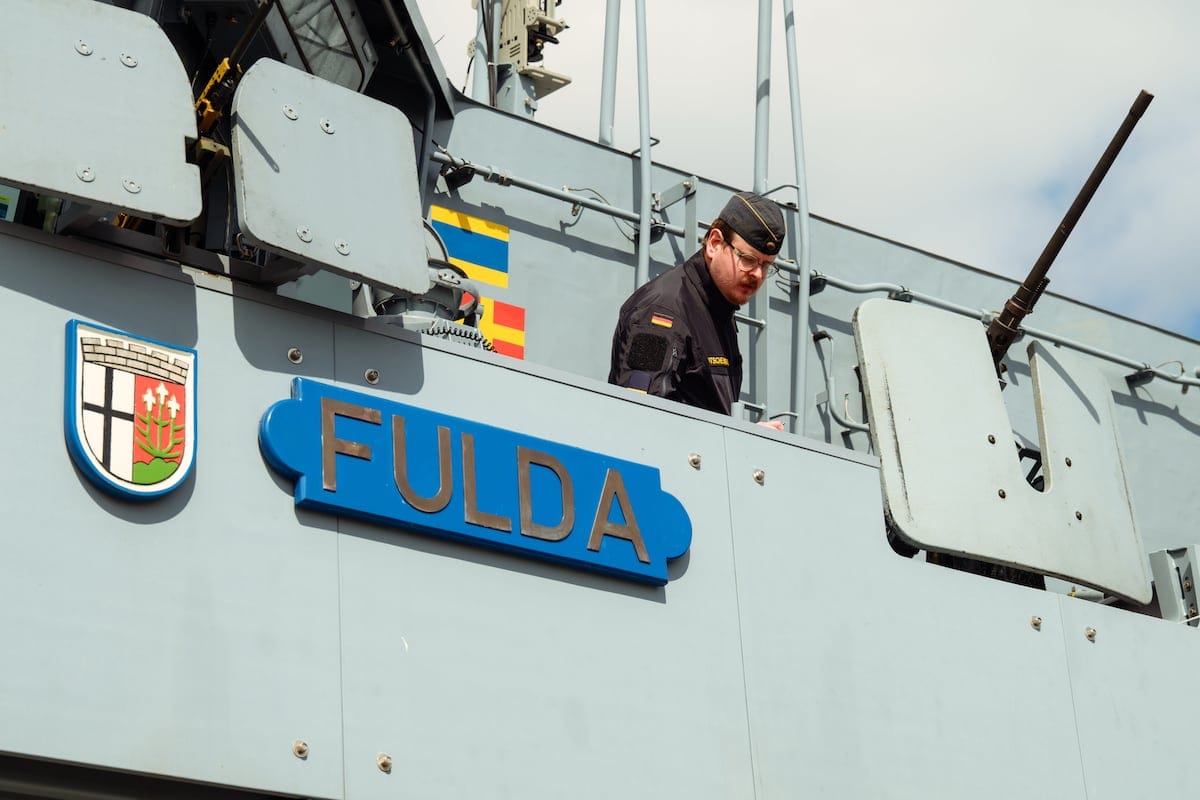
Germany has dispatched two naval vessels to Djibouti, positioning itself to participate in a multinational mission aimed at securing the vital shipping lane through the Strait of Hormuz. This operation is particularly significant as it comes in the context of rising tensions in the region, where maritime security has become a pressing concern for international trade and stability. The deployment, expected to take place this summer, underscores Germany's commitment to contributing to collective security efforts, contingent upon the establishment of a lasting ceasefire agreement involving Iran.
The decision to move ships to Djibouti reflects Germany's proactive approach to regional security challenges, aligning with the interests of other nations also focused on securing this crucial maritime corridor. The Strait of Hormuz is a strategic chokepoint, facilitating a substantial percentage of the world's oil shipments. Germany's involvement in this multinational mission indicates a shift in its defense posture, potentially enhancing its role on the global stage, particularly in collaboration with allies concerned about Iranian influence and maritime threats in the Gulf region.
Implications for Regional Security
This development raises the question of how effective international efforts will be in deterring aggressive actions in the region. While Germany's participation in a multinational mission signifies a unified stance against potential threats, its success will largely depend on the durability of any ceasefire agreement with Iran. Analysts will be watching closely to see how this mission unfolds and whether it can stabilize shipping lanes effectively. The implication is that if the ceasefire holds, Germany could play a pivotal role in shaping security dynamics in the region, potentially influencing future diplomatic engagements and military collaborations.
Sources: Defensenews, Defense News, DW.com, Defence24.com, and Xinhua