Germany Expands Naval Surveillance Efforts with Eight SeaGuardian Drones

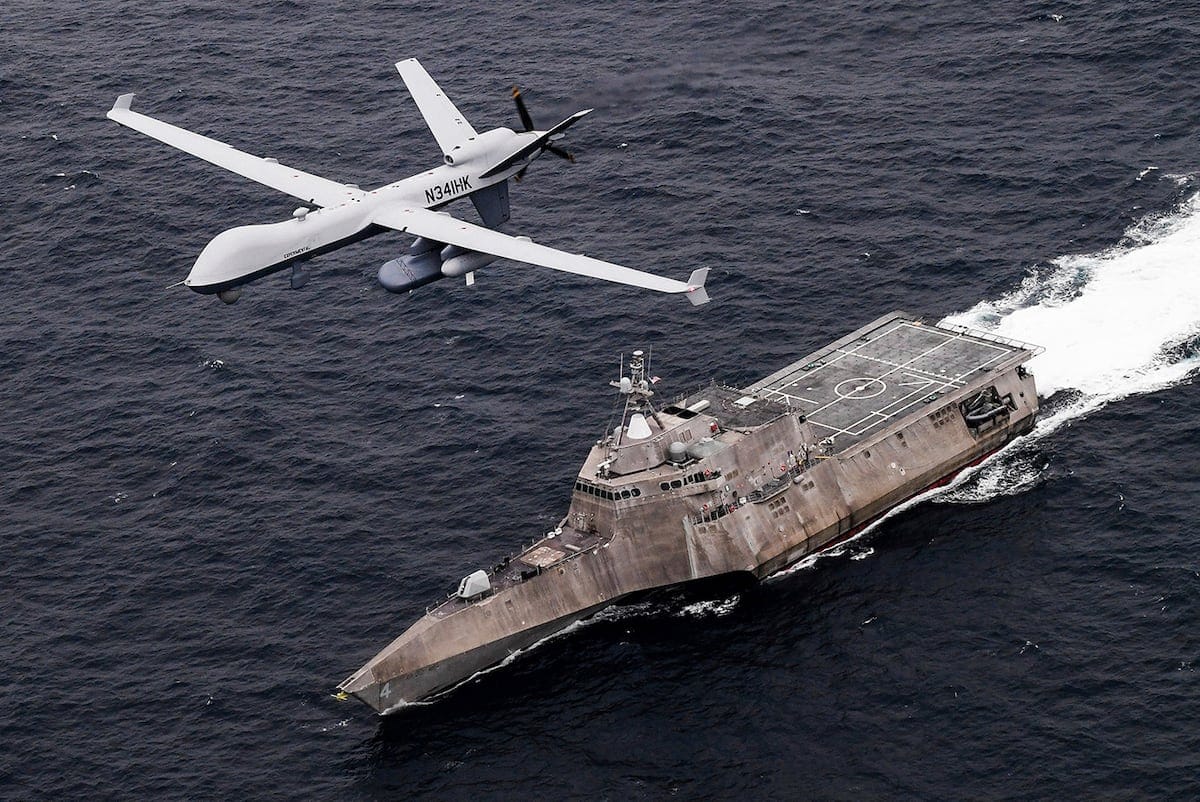
Germany Enhances Maritime Surveillance Capabilities with MQ-9B SeaGuardian Acquisition
Overview of the Procurement
Germany has finalized a significant acquisition of eight MQ-9B SeaGuardian remotely piloted aircraft from General Atomics Aeronautical Systems through a €1.52 billion ($1.77 billion) contract facilitated by the NATO Support and Procurement Agency. This strategic procurement was approved by the parliamentary budget committee on December 17, and the formal announcement occurred recently.
The procurement encompasses four complete systems, each consisting of two aircraft, supplemented by four “certifiable” ground control stations. These stations are designed to permit seamless operation alongside civilian air traffic. Initial deliveries of the aircraft are anticipated in 2028, and they will be operated by the German Navy’s Marineflieger from Naval Air Wing 3 Graf Zeppelin based in Nordholz.
Strategic Objectives
The MQ-9B SeaGuardians are intended to enhance Germany’s maritime surveillance and anti-submarine warfare (ASW) capabilities, with a focus on operations in the Baltic Sea and North Atlantic. The urgency of these missions is heightened by increasing concerns regarding Russian underwater activities and the safeguarding of critical infrastructure within European maritime domains.
Operational Scope:
- Primary Missions: Maritime surveillance, anti-submarine warfare
- Geographical Focus: Baltic Sea, North Atlantic
Complementing Existing Assets
The introduction of the SeaGuardians will augment Germany’s existing capabilities, particularly its fleet of eight P-8A Poseidon maritime patrol aircraft, the first of which is scheduled to arrive in Germany in November 2025. This acquisition reflects a significant pivot toward bolstering maritime reconnaissance and counter-submarine warfare capabilities in recent years.
Technical Specifications
The MQ-9B SeaGuardian offers impressive specifications designed for rigorous operational demands:
- Endurance: Over 30 hours
- Mission Radius: 1,200 nautical miles (over 2,000 kilometers)
- Technological Features:
- Pole-to-pole satellite control
- De-icing capabilities for cold-weather operations
- Integrated Detect and Avoid System for operations within unsegregated civilian airspace
The aircraft can be configured with maritime surveillance radars and is capable of deploying various anti-submarine warfare mission kits, allowing for the launch of up to 40 ‘A’-size or 80 ‘G’-size sonobuoys. Initially, these systems will focus on reconnaissance missions.
Interoperability with NATO Allies
Linden Blue, CEO of General Atomics Aeronautical Systems, noted the strategic significance of the MQ-9B’s proliferation across Europe, emphasizing its potential to enhance interoperability among NATO member states. The German military has also identified interoperability as a key criterion in its acquisition strategy, aiming to leverage the operational knowledge gleaned from the experiences of the UK and Belgium with this aircraft model.
Key Points for Interoperability:
- Facilitation of joint operations with NATO allies
- Learning from allied operational experiences
Regional Geopolitical Context
Germany’s renewed emphasis on maritime surveillance capability is particularly pertinent in the context of heightened Russian naval activity in the North and Baltic Seas. Last July, the German government launched initiatives aimed at countering the Russian shadow fleet of tankers allegedly utilized to bypass EU sanctions and finance military endeavors in Ukraine.
Quote From Leadership
German Transport Minister Patrick Schnieder highlighted the necessity of comprehensive situational awareness: “The more complete the picture, the sooner we can cooperate with our partner countries in the Baltic Sea region to take appropriate measures.”
Conclusion
This acquisition of the MQ-9B SeaGuardians represents a pivotal development in Germany’s defense posture, aligning with broader NATO objectives and responding to contemporary security challenges in European waters. As Germany moves forward with this initiative, it not only strengthens its capability set but also positions itself as a more integrated actor within the NATO framework, poised to respond effectively to evolving geopolitical threats.