Germany's Ascendancy as NATO's Security Leader in Europe

Germany's Emerging Role in European Security
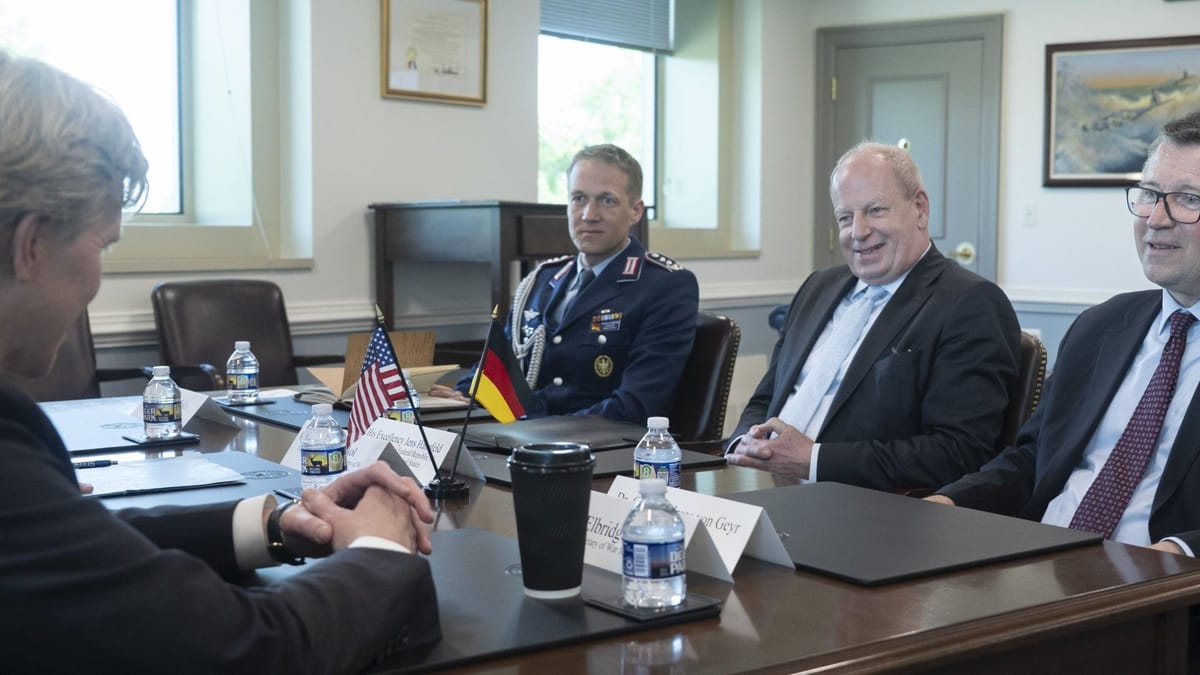
Elbridge Colby, a key figure within the Pentagon and co-author of the U.S. National Security Strategy, has posited that Germany is on track to become NATO’s leading security performer in Europe. This assessment comes against a backdrop of evolving geopolitical dynamics, particularly in the wake of Russia's aggression in Ukraine and the increasing need for robust defense frameworks among European allies. The assertion underscores a potential shift in strategic responsibilities within NATO, emphasizing Germany's growing military capabilities and leadership role.
The implications of Germany stepping into this pivotal role are significant. Historically, Germany has been perceived as a hesitant military power, often reluctant to fully engage in defense initiatives due to its post-World War II legacy. However, the current security environment necessitates a reevaluation of this stance. Germany has been increasing its defense spending and enhancing its military readiness, indicating a commitment to not only NATO's collective defense but also to regional stability. Analysts will be watching how this shift influences NATO’s operational strategies and inter-member relations, particularly with countries that may feel overshadowed by a dominant Germany.
This development raises questions about the future structure of European defense and the potential for Germany to take a more assertive stance in international security matters. As Germany assumes this leadership role, it may encourage other European nations to bolster their own military capabilities, fostering a more unified and prepared NATO alliance. The ongoing collaboration between the U.S. and Germany will be critical in shaping the alliance's strategic direction, especially as global threats continue to evolve.
In summary, Germany's emergence as NATO's security leader could redefine alliances and operational approaches within Europe, marking a significant shift in how member states respond to security challenges. As the geopolitical landscape transforms, the effectiveness of this leadership will be closely scrutinized by both allies and adversaries alike.
Sources: Defence24, Defence24.com, U.S. Department of War (.gov), Council on Foreign Relations, and PBS