Human Cost of Myanmar's Post-Coup Conflict Exceeds 100,000

Overview of the Conflict
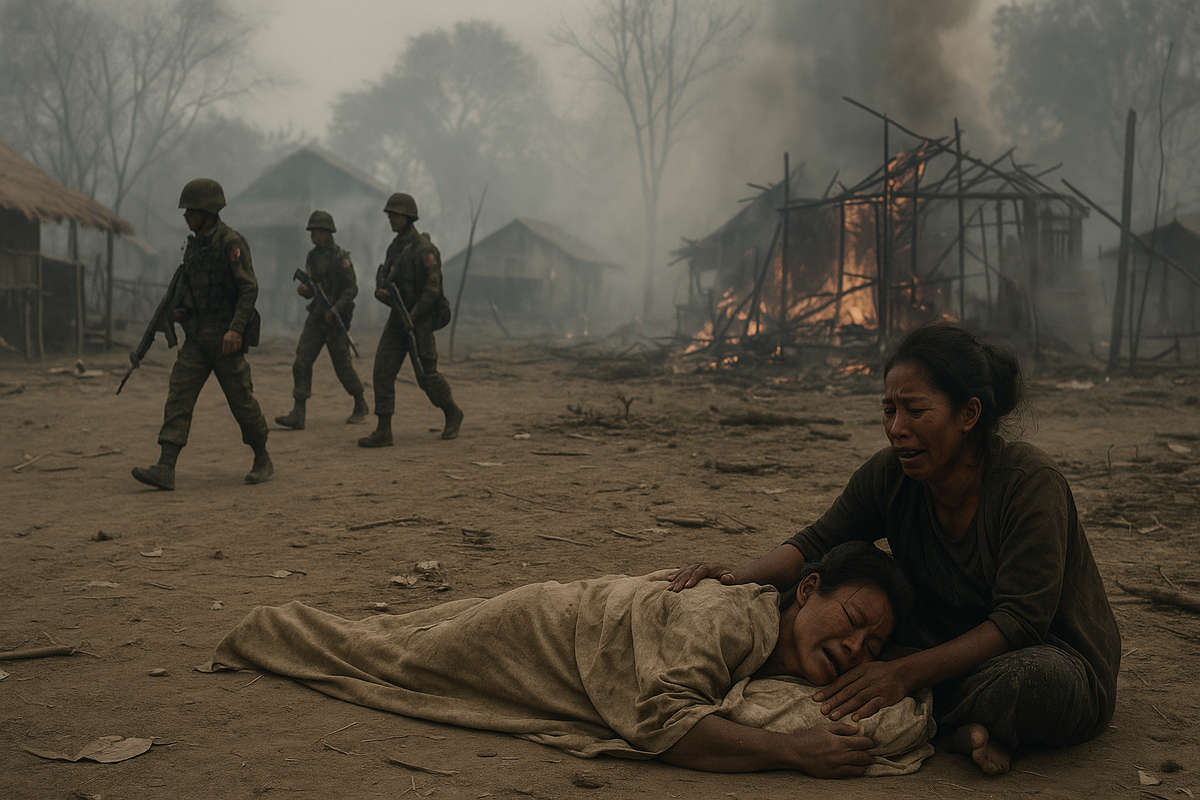
Since the military coup in Myanmar five years ago, the ongoing civil war has resulted in over 100,000 fatalities across all factions involved, according to a recent report from a conflict monitor. This alarming statistic underscores the significant toll the conflict has taken on the nation, marking a grim milestone in a prolonged struggle that erupted following the overthrow of the democratically elected government.
Context and Implications
The coup, which occurred in February 2021, led to widespread unrest and armed resistance against the military regime. Various ethnic armed groups and newly formed resistance forces have engaged in combat with the military, contributing to a complex and multi-faceted conflict. The report highlights the dire humanitarian situation resulting from the violence, with civilian casualties escalating as clashes continue throughout the country. As the conflict drags on, the implications for regional stability grow more pronounced, particularly as displaced populations seek refuge in neighboring countries, placing additional strain on resources and security.
The implications of this devastating casualty count raise critical questions about the future of governance and civil order in Myanmar. Analysts will be watching how international responses evolve, particularly regarding humanitarian aid and potential sanctions against military leaders. The situation poses a challenge for regional powers and the international community, as they navigate the delicate balance between supporting democracy and addressing the immediate humanitarian crisis.
As the conflict persists, the need for a concerted international effort to address not only the humanitarian fallout but also the underlying political issues becomes increasingly urgent. The continuing violence threatens to destabilize not just Myanmar but the broader Southeast Asian region, making the international community's engagement in the conflict a crucial factor in shaping future outcomes.
Sources: Thedefensepost, Council on Foreign Relations, Transnational Institute, Encyclopedia Britannica, and UN News