Hyundai Rotem Achieves NATO Quality Certification for Armored Vehicles

South Korea's Defense Milestone
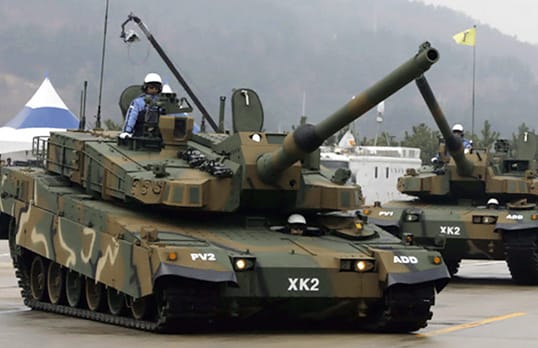
Hyundai Rotem has made significant strides in the defense sector by becoming the first South Korean company to earn NATO quality assurance certification for its armored vehicles. This certification marks a pivotal advancement in the South Korean defense industry, enhancing its credibility on the global stage. The announcement comes at a time when nations are increasingly focused on interoperability and standardization in defense capabilities.
Context and Implications
The NATO certification is a critical benchmark that indicates the compliance of Hyundai Rotem's armored vehicles with NATO’s stringent quality standards. This achievement not only reflects the technological capabilities of South Korean defense manufacturers but also underscores their commitment to producing equipment that meets international expectations. As global defense partnerships evolve, the ability to integrate and cooperate with NATO forces becomes increasingly essential. Hyundai Rotem’s certification could facilitate greater collaboration with NATO member states, potentially leading to joint exercises and procurement opportunities.
This development comes against the backdrop of heightened security concerns in the Asia-Pacific region, where military modernization and alliances are becoming more pronounced. South Korea’s growing defense industry, exemplified by this certification, positions itself as a key player in regional security dynamics. The implications for defense procurement strategies within NATO could be substantial, as member countries may look to South Korean products as viable alternatives to meet their defense needs.
As nations reassess their defense strategies and partnerships, this certification raises the question of how South Korea will leverage its status as a NATO-certified defense supplier. Analysts will be watching to see how this recognition influences South Korea's defense exports and its relationships with both NATO allies and regional partners.
Sources: Thedefensepost, The Defense Post, upi.com, The Korea Herald, and thelec.net