Increased Chinese Naval Presence in Regional Waters Raises Concerns

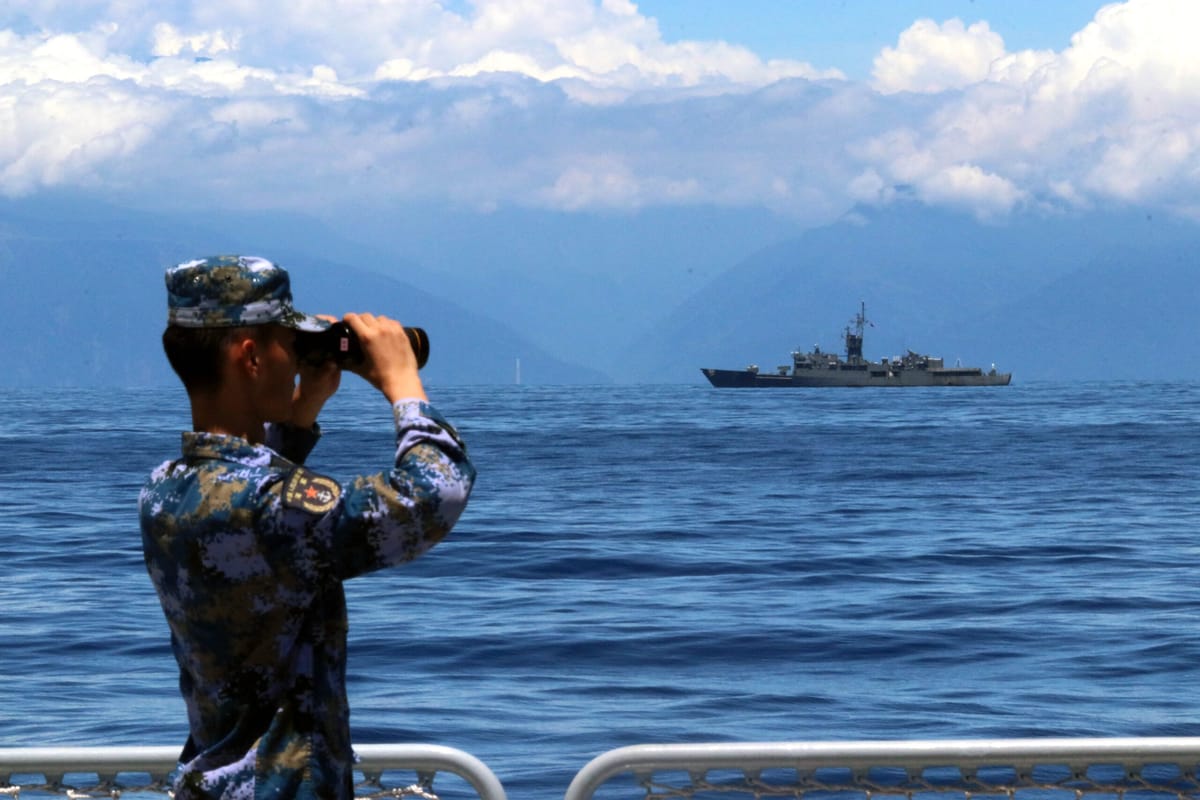
China's Naval Movements in East Asia
Recent reports indicate that China has deployed over 100 vessels, including navy and coast guard ships, across regional waters extending from the Yellow Sea to the South China Sea and Western Pacific. This significant mobilization was noted by Taiwanese security officials on Saturday, underscoring growing tensions in a region already fraught with geopolitical challenges.
The deployment of such a large number of vessels is a clear demonstration of China's maritime capabilities and its ongoing assertiveness in the region. Analysts will be observing the implications of this military presence, particularly in the context of Taiwan's security and its relations with the United States and regional allies. The concentration of vessels presents not only a potential threat to Taiwan but also raises concerns about freedom of navigation and regional stability.
Strategic Implications
The presence of over 100 Chinese vessels in these critical waters highlights a strategic posture that may be aimed at asserting dominance and deterring any perceived threats from Taiwan and its partners. This development is likely to provoke responses from other regional actors, including the United States, which has a vested interest in maintaining security and stability in the Indo-Pacific. Furthermore, as tensions escalate, the possibility of miscalculations or confrontations increases, necessitating careful monitoring from defense professionals.
Why it matters: The ongoing deployment of Chinese vessels raises questions about future military engagements and the potential for increased conflict in the region. With the geopolitical landscape continually shifting, defense analysts must assess how this naval buildup could influence U.S. military strategy and regional defense postures. This situation demands close attention, as any significant escalations could have far-reaching consequences for both regional security and international relations.
Sources: Thedefensepost, The Defense Post, NZ Herald, The Straits Times, and MSN