Innovations in Drone Technology: AI Target Tracking and Countermeasures

What Happened
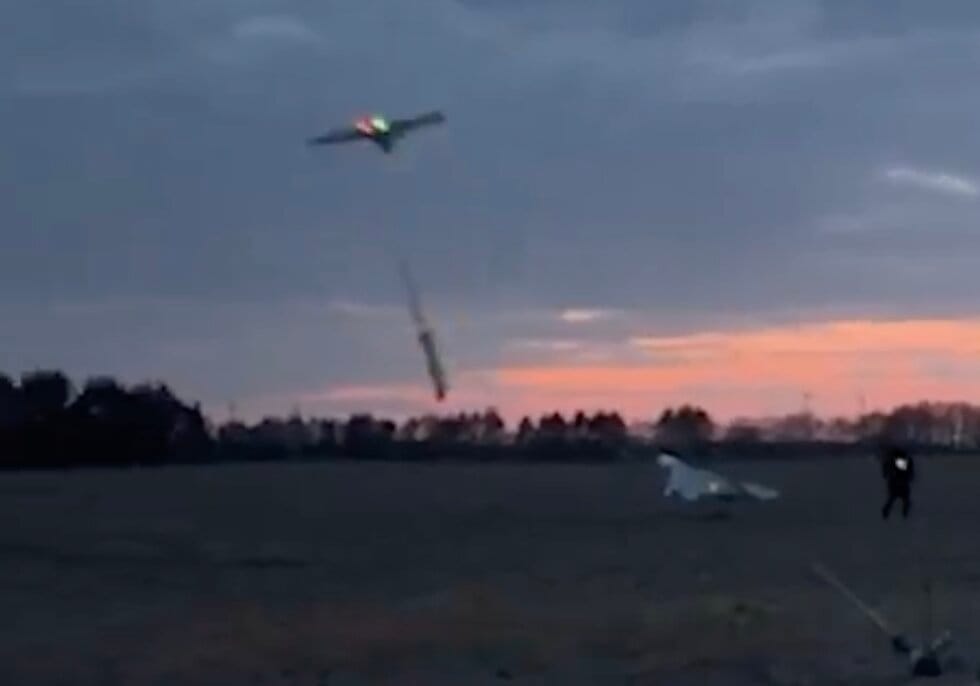
Recent developments in drone interception and counter-unmanned aerial systems have emerged from live trials and exhibitions, showcasing advancements in both automated guidance and cyber countermeasures. Ukraine is currently testing Dutch AI target-tracking technology, developed by FIDUCIAL Defense, in collaboration with Ukraine’s Brave1, to improve drone interception capabilities. This initiative is part of ongoing efforts to enhance aerial defense mechanisms in conflict scenarios.
The Strategic Calculus
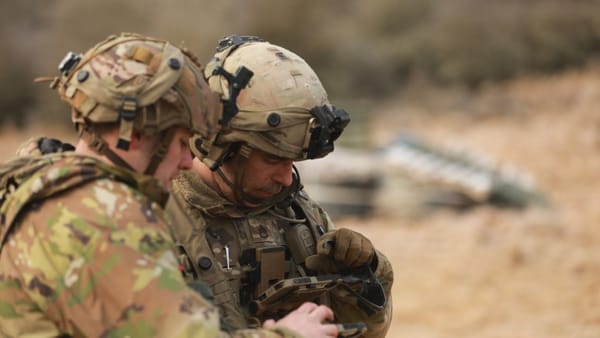
Simultaneously, at a Special Operations Forces event in Florida, Sentrycs introduced a new solution designed to combat rogue drones through its cyber-over-RF hijack technology. This system aims to detect, track, and safely mitigate threats posed by unmanned aerial vehicles (UAVs). As the prevalence of drones in warfare and conflict increases, these innovations represent a significant shift in tactical approaches to aerial threats.
Key features of the technologies discussed include:
- Automated Target-Guidance: The AI software is designed to enhance interception accuracy in drone engagements.
- Cyber Countermeasures: Sentrycs’ technology provides a robust framework for neutralizing rogue UAVs, potentially reducing collateral damage during operations.
- Real-Time Tracking: Both systems emphasize enhanced tracking capabilities, crucial in fast-paced tactical environments.
The Bigger Picture
As nations continue to adapt to the evolving landscape of aerial warfare, the integration of AI and cyber technologies into defense systems is becoming increasingly vital. The collaboration between Ukraine and Dutch firms highlights the importance of international partnerships in developing advanced defense solutions. Furthermore, the introduction of Sentrycs' technology at a high-profile defense event underscores the urgency and relevance of counter-drone capabilities in modern military strategies.
Analysts will be watching how these advancements affect battlefield dynamics, particularly in regions where drone usage is prevalent. The implications for military strategy and aerial defense are significant, suggesting a future where automated systems play a critical role in ensuring airspace security.
Sources: Thedefensepost, MSN, Fortune Business Insights, Defense Security Monitor, and Business Review