Innovations in Military Technology: Airdrops and Robotic Surgery

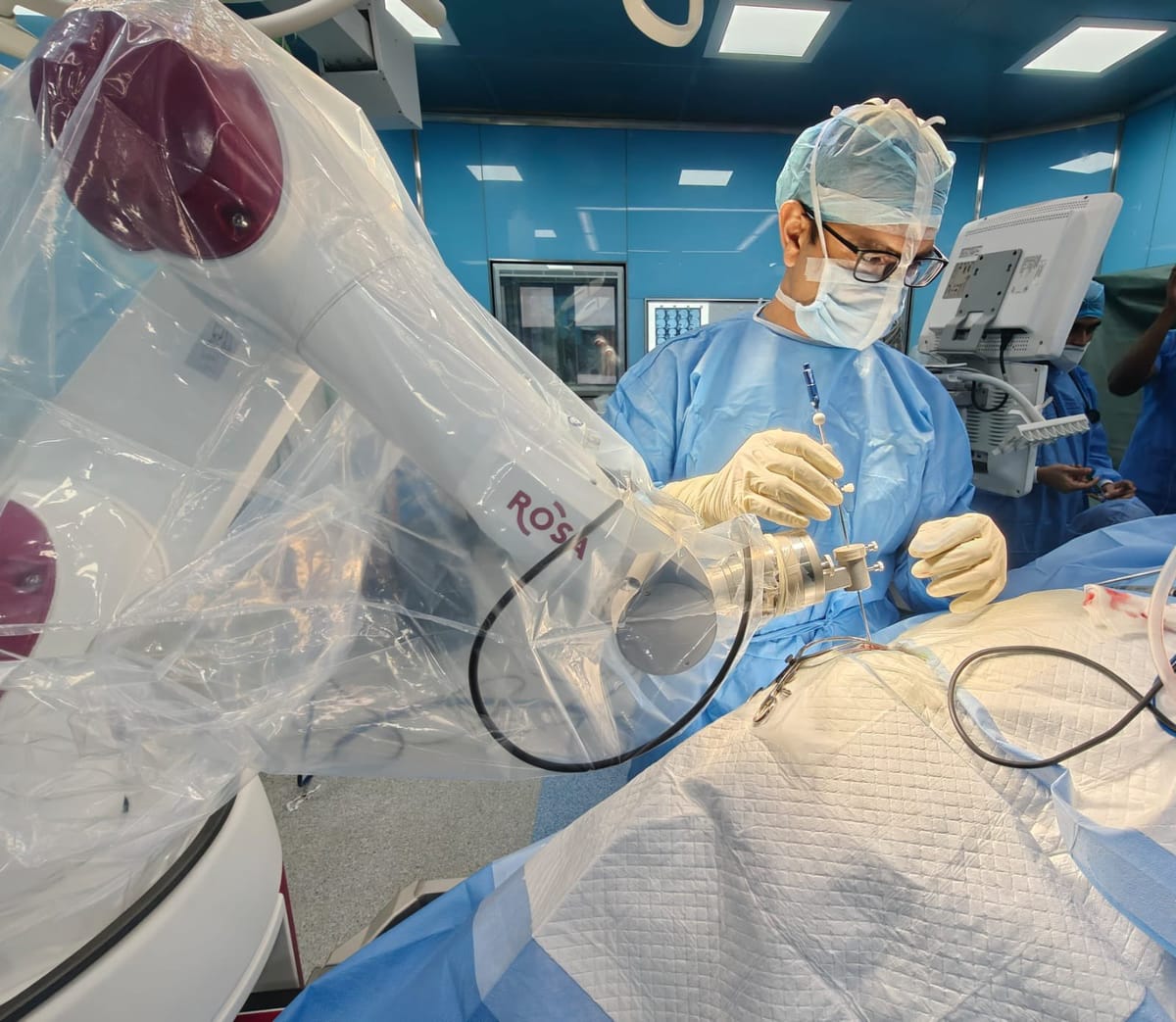
Recent advancements in military technology highlight significant developments in operational capabilities and medical procedures. The UK and US collaboration has achieved a world-first airdrop of an uncrewed surface vessel (USV) from an A400M transport aircraft, while India's Armed Forces Medical Services has successfully completed its first robotic stereotactic brainstem biopsy. These breakthroughs underline the increasing integration of robotics and automation in defense and medical fields.
What happened
In a notable event for defense logistics, UK firm Kraken Technology Group and Connecticut-based Capewell have accomplished the first-ever airdrop of a USV from an A400M transport aircraft. This operation marks a significant milestone in the application of unmanned systems in military operations, potentially enhancing the versatility and reach of naval forces.
Simultaneously, India’s Armed Forces Medical Services has made strides in surgical precision with its inaugural robotic stereotactic brainstem biopsy. This procedure demonstrates the potential of robotics to tackle complex challenges in neurosurgery, which traditionally requires high levels of skill and precision.
The strategic calculus
- Airdrop of USVs: This airdrop capability may enable rapid deployment of unmanned vessels in various maritime scenarios, enhancing reconnaissance, surveillance, and operational effectiveness.
- Robotic Neurosurgery: By integrating robotic systems into complex surgical procedures, the Indian military is positioning itself at the forefront of medical technology, potentially improving patient outcomes and operational readiness.
These advancements raise strategic questions about the future of military engagement and medical care. The ability to deploy unmanned vessels efficiently could reshape naval tactics and logistics, while robotic surgery could transform how military personnel receive critical medical interventions.
The bigger picture
As nations invest in advanced technologies, the implications for both defense and healthcare sectors are profound. The integration of robotics and unmanned systems into military operations not only increases operational efficiency but also potentially reduces risks to personnel. Similarly, breakthroughs in medical technology can lead to better health outcomes for service members, directly impacting military readiness.
Analysts will be watching how these innovations influence strategic alliances and operational strategies in the coming years. The collaboration between UK and US firms in airdropping USVs exemplifies the potential for cross-border partnerships to drive technological advancements in defense.
In summary, the achievements of the UK-US team and India's military medical services reflect a broader trend of incorporating cutting-edge technologies into both military operations and healthcare, underscoring the importance of innovation in maintaining a competitive edge on and off the battlefield.
Sources: Thedefensepost