Integrating AI into Special Operations Forces: A Tactical Evolution


AI's Role in Special Operations
As the U.S. military continues to evolve, the integration of artificial intelligence (AI) into special operations forces is becoming increasingly essential. With a focus on smaller, more efficient systems, these forces are seeking AI solutions that enhance their operational capabilities while maintaining agility. The necessity for AI-driven tools comes in the wake of evolving battlefield dynamics, where speed and adaptability are paramount.
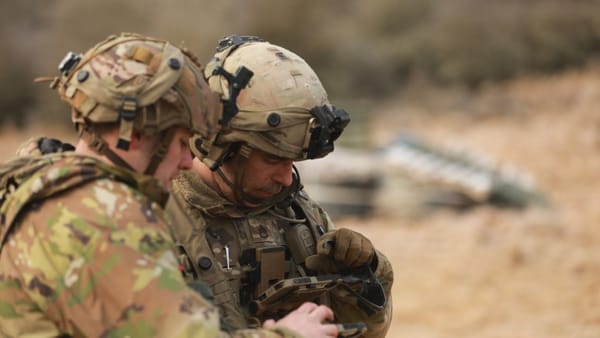
Current discussions emphasize the importance of miniaturization and smart technology in AI applications for special operations. As missions become more complex, the demand for compact AI agents that can seamlessly integrate into existing operational frameworks has risen. These agents must be capable of processing data in real-time, providing actionable intelligence to operators on the ground. Such advancements could revolutionize how special operations units conduct missions, offering enhanced situational awareness and decision-making support.
Strategic Implications
The integration of AI into special operations forces raises significant strategic questions. As these technologies develop, there is a potential for increased reliance on AI in high-stakes environments, which could shift traditional paradigms of warfare. This evolution prompts a reevaluation of training, ethics, and operational protocols within special operations units. Furthermore, the ability to leverage AI effectively could provide the U.S. with a strategic edge over adversaries who may be slower to adapt to these innovations.
Understanding the implications of AI integration in special operations is vital for defense professionals. The potential for enhanced operational effectiveness and efficiency presents opportunities for the U.S. military to maintain its competitive advantage. Analysts will be watching how these developments unfold, particularly as they relate to future mission planning and execution.
Sources: Defenseone, U.S. Department of War (.gov), Small Wars Journal, National Defense Magazine, and StartUs Insights