Integrating Defense Capabilities: The Shifting Landscape in the Indo-Pacific

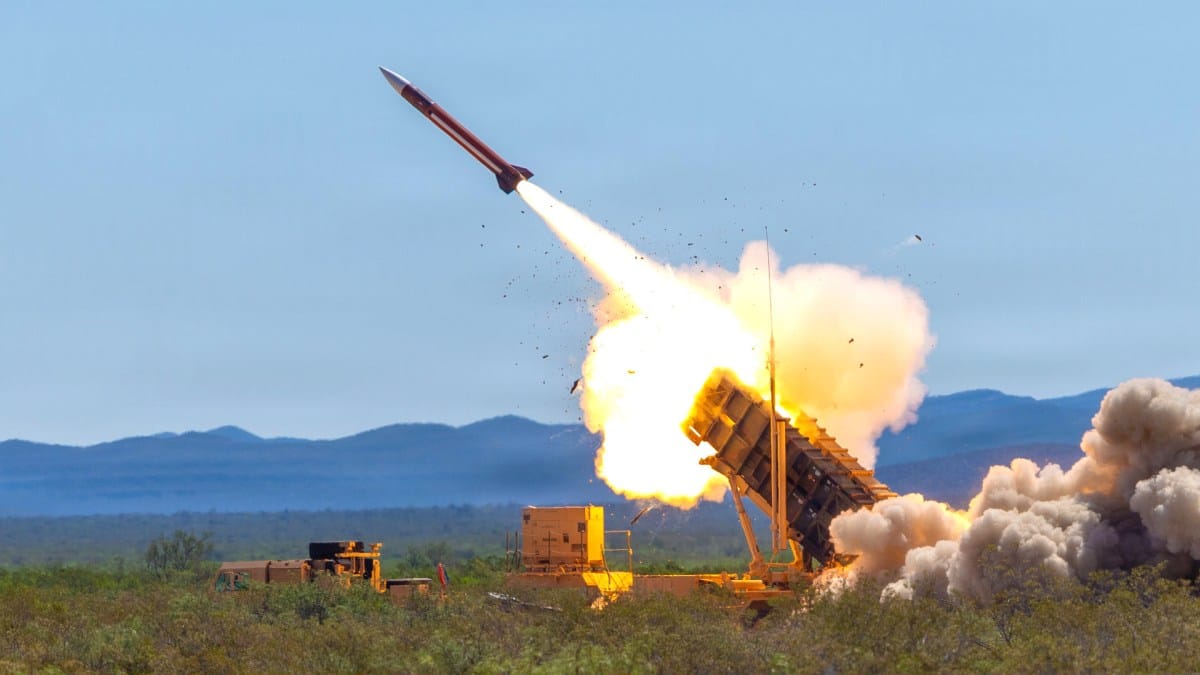
The current dynamics in the Indo-Pacific region highlight a critical need for enhanced defense capabilities, particularly in the context of ballistic missile threats. As the United States navigates its military commitments and resource allocations, the challenges facing the Marine Corps and the Army underscore a significant strategic concern: reliance on one branch for missile defense is becoming untenable. This briefing synthesizes recent developments in U.S. defense strategies that address these vulnerabilities and bolster regional security.
What Happened
The U.S. Marine Corps is currently experiencing limitations in its ballistic missile defense capacity, largely depending on already strained Army units for support. This situation poses risks, particularly in the Pacific, where the threat landscape is intensifying. The Marines are realizing that their operational success may be compromised if they continue to rely solely on the Army for missile defense capabilities.
In response to these challenges, the U.S. Army's Integrated Fire Protection Capability (IFPC) air defense system was recently demonstrated in the Philippines. This system is designed to counter threats from drones and cruise missiles, showing its potential to serve as a crucial layer in the U.S. military's defense strategy in the Indo-Pacific. The demonstration illustrates a proactive step towards addressing emerging threats and reinforces the Army's role in regional defense operations.
The Strategic Calculus
The implications of these developments extend beyond immediate military concerns. The increasing reliance on the Army's capabilities raises questions about the adequacy of current defense infrastructure and inter-service coordination. Key factors include:
- Operational Readiness: The Marine Corps may need to reassess its resources and capabilities to ensure a robust defense posture.
- Inter-service Collaboration: Enhanced communication and collaboration between the Marines and the Army will be essential to mitigate risks.
- Regional Security Dynamics: The evolving threat environment in the Pacific necessitates a comprehensive approach to missile defense.
Moreover, the United States is considering deploying the Dark Eagle hypersonic missile system, aimed at targeting ballistic missile launchers, including those operated by hostile nations like Iran. This development could restore deep strike capabilities that extend beyond the current missile range, reflecting a strategic pivot towards countering ballistic missile threats effectively.
What Comes Next
As the U.S. military reassesses its defense strategies, several critical questions emerge:
- How will the integration of new technologies, like the Dark Eagle missile, reshape the operational landscape in the Indo-Pacific?
- What steps will the Marines take to enhance their ballistic missile defense capabilities independently?
- How can inter-service dynamics be optimized to ensure a unified and effective defense posture?
In summary, the current military landscape in the Indo-Pacific is characterized by evolving threats and the necessity for enhanced defense capabilities. The U.S. military's ongoing adjustments, including the deployment of advanced systems and the need for inter-service collaboration, will be pivotal in maintaining regional security and addressing potential challenges in the near future.
Sources: Twz, Armyrecognition, USNI News, ipdefenseforum.com, navalnews.com, and WSJ