Iran-US Deal Faces Challenges Amid Renewed Conflict

Suspension of Talks Heightens Tensions
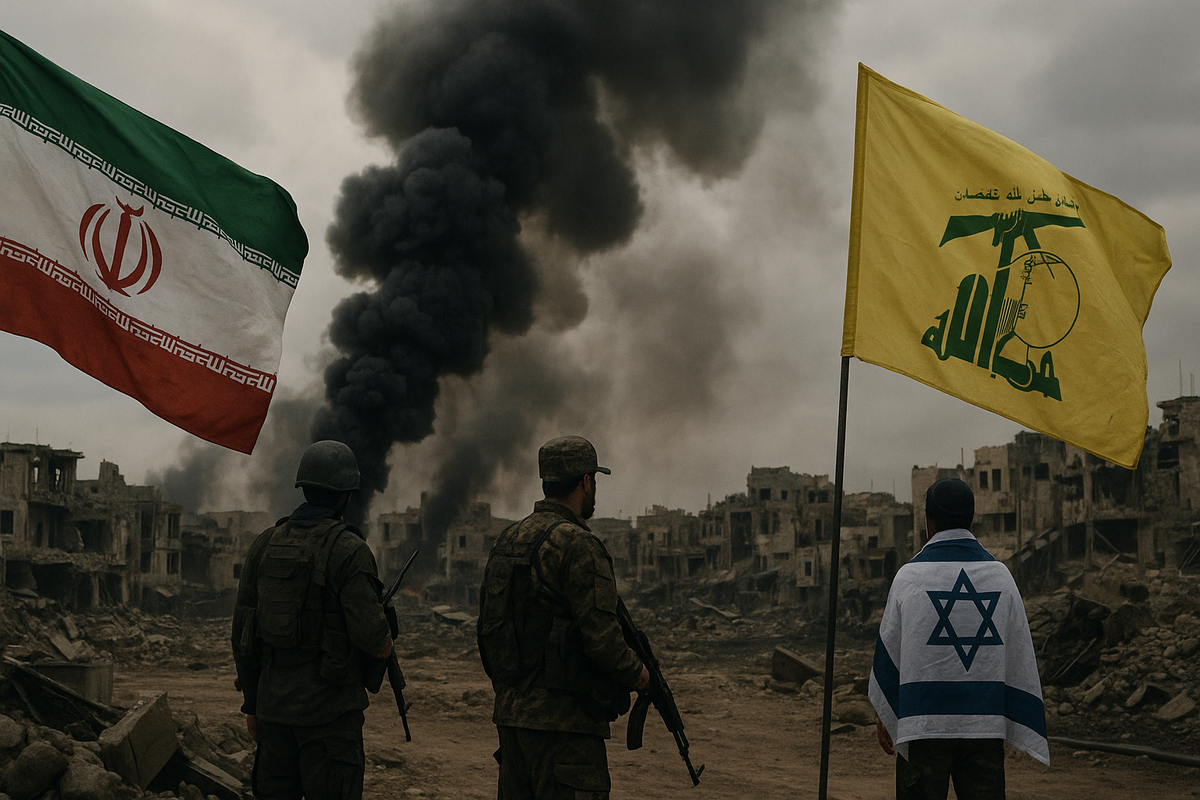
A recently signed deal aimed at bringing an end to the Middle East war encountered significant challenges as talks in Switzerland were postponed. This development occurred on Friday, coinciding with a resurgence of fighting between Israel and Hezbollah in Lebanon. The situation underscores the fragility of diplomatic efforts in a region marked by long-standing hostilities.
The postponement of the talks indicates that the negotiations surrounding the deal may not be as stable as previously anticipated. Analysts suggest that the renewed clashes between Israel and Hezbollah could further complicate the already strained relationship between the US and Iran. The involvement of multiple actors in the conflict, including regional powers and non-state groups, adds layers of complexity to any potential resolution, raising concerns about the durability of diplomatic agreements in such an environment.
Why It Matters
The implications of these developments are significant for US foreign policy in the Middle East. The postponement of talks could hinder progress toward a more stable regional landscape, potentially escalating tensions and prolonging violence. Furthermore, this situation raises questions about the effectiveness of US-led diplomatic initiatives and the ability to manage conflicts that have deep historical roots. As fighting continues and diplomatic efforts falter, the international community will be closely monitoring these dynamics for their potential to influence broader geopolitical stability in the region.
Sources: Thedefensepost, NBC News, Reuters, BBC, and The Guardian