Iranian Kamikaze Drone Boat Achieves First Successful Strike in Ongoing Conflict

Assessing the Evolving Threat of Uncrewed Surface Vehicles in Maritime Security
Recent developments in maritime security have underscored the escalating threats posed by uncrewed surface vehicles (USVs), particularly in regions of strategic importance. This analysis examines a notable incident involving an Iranian USV striking a Marshall Islands-flagged oil tanker, marking a significant escalation in the use of these technologies in asymmetric warfare.
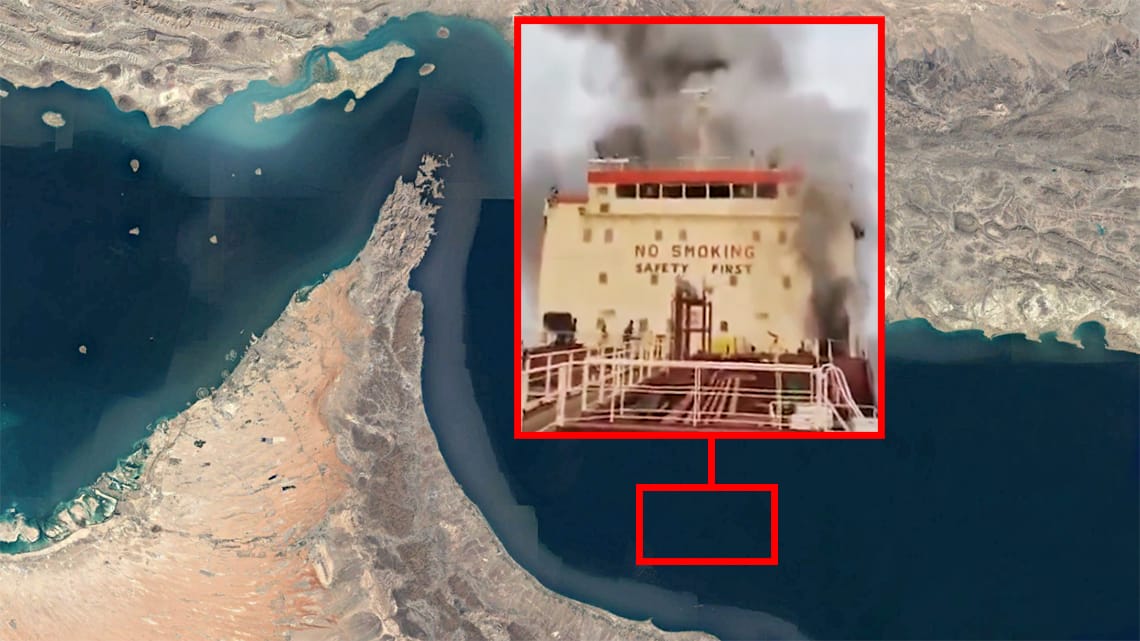
The Incident: MKD VYOM Under Attack
On March 1, 2026, the tanker MKD VYOM came under attack approximately 50 nautical miles north of Muscat, Oman. Initial reports suggested the vessel had been struck by a conventional projectile, resulting in an explosion and fire that tragically claimed the life of a crew member stationed in the engine room. However, subsequent assessments by the United Kingdom Marine Trade Operations (UKMTO) revealed that the incident was instigated by an Iranian USV, confirming the vessel as one of the first to be targeted in this manner during the ongoing conflict.
Key findings from the UKMTO include:
- The crew was successfully evacuated.
- A thorough investigation into the attack is underway.
- Navigational advisories have been issued, urging vessels in the region to exercise heightened caution.
This incident not only exemplifies the tactical shift towards USVs but also highlights the growing confidence of Iran in deploying these systems against maritime commercial interests.
Context of the Attack: USVs in Geopolitical Events
The strategic landscape is rapidly shifting, particularly with the Israeli and U.S. initiatives against Iranian assets, dubbed Operation Epic Fury. This military operation has catalyzed a wave of retaliatory actions from Iran, including threats to close the Strait of Hormuz, a critical chokepoint for global oil supply. The Islamic Revolutionary Guard Corps (IRGC) has reportedly communicated its intention to close the Strait, positioning this conflict as not merely a regional concern but a potential global crisis.
- Key Messages from the IRGC:
- No vessels are to pass through the Strait under threat of being set ablaze.
- Iran’s capabilities now include advanced USVs and kamikaze drone vessels, strategies historically pioneered by Iranian proxies such as the Houthis in Yemen.
The Advancement in USV Technology and Its Implications
Iran’s consistent investment in USV technology is not a recent development. The nation’s arsenal now includes various unmanned systems designed for asymmetric warfare, including the deployment of explosive-laden drone boats. This persistent focus on USVs has been evident in their engagements against not only military targets but also commercial shipping routes, escalating risks for international maritime traffic.
- Strategic Significance of USVs:
- They provide a cost-effective means for conducting asymmetric naval warfare.
- Their deployment complicates traditional naval defense strategies, making it more difficult for conventional forces to respond effectively.
The conflict in Ukraine has served as a stark showcase of such capabilities, where USVs have successfully engaged naval assets, demonstrating their effectiveness in contemporary warfare scenarios.
Incidents of Broader Significance
The attack on the MKD VYOM is part of a larger pattern of aggressive maritime actions, including attacks on other vessels in the Gulf since the commencement of conflict operations. Indicators show that Iranian forces have targeted multiple vessels, including U.S.-flagged ships, heightening tensions in an already volatile region.
Recently, the STENA IMPERATIVE, also a U.S.-flagged tanker, reported being hit by projectiles while docked in Bahrain. Fortunately, all crew members evacuated safely, but this incident adds to the rising concern for safety in the Persian Gulf.
Declining Shipping Activity in the Strait of Hormuz
In light of the escalating conflict, shipping traffic through the Strait of Hormuz has plummeted by approximately 85%. This trend reveals a broad trend of vessels eluding detection by turning off transponders, showcasing the prevailing fear among commercial ship operators amidst the ongoing military operations.
Key Statistics:
- Shipping traffic levels are at unprecedented lows due to fears of being targeted.
- The operational data supports claims of increased Iranian naval aggression.
Conclusion: The Path Forward for Maritime Security
As the geopolitical situation continues to evolve, it is imperative for maritime security strategies to adapt to these new threats. The deployment of USVs presents significant challenges, necessitating both technological innovations in naval defense and comprehensive tactical frameworks to deter aggression.
- Enhanced international cooperation among maritime forces is crucial to deter threats posed by asymmetric warfare.
- Continuous intelligence sharing and coordinated responses will be vital in ensuring the safety of international shipping lanes.
Understanding and countering these emerging threats will be essential in maintaining security in critical waterways, especially as actors like Iran leverage advances in unmanned technology to challenge conventional naval powers.