Iran's Military Command Threatens Shipping in the Strait of Hormuz

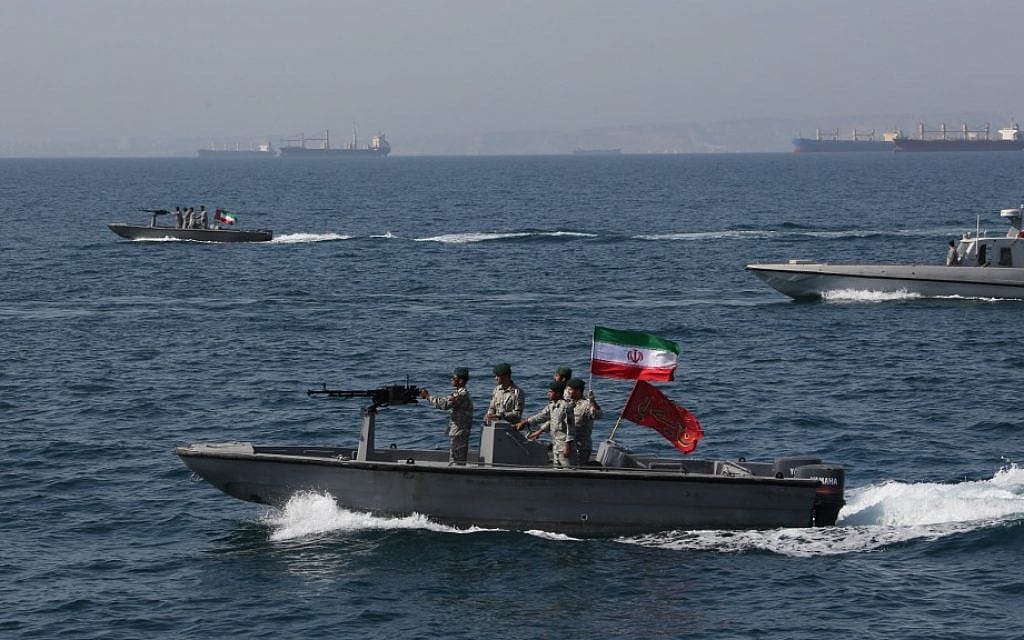
Iran's Aggressive Stance on Maritime Traffic
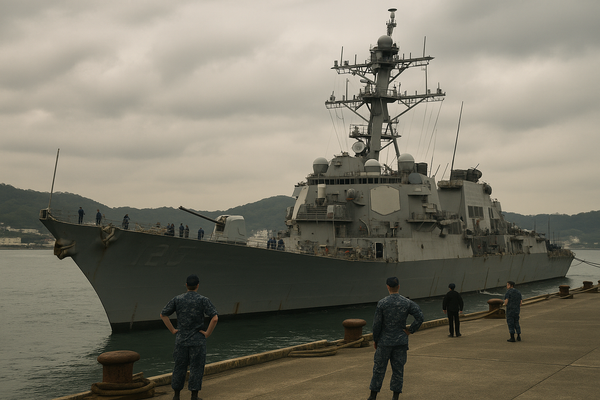
On Thursday, Iran's military command announced that it would target any vessels transiting the Strait of Hormuz. This declaration follows recent incidents where two ships were struck while attempting to navigate this vital waterway. These developments come amid faltering talks to resolve ongoing conflicts in the region, raising significant concerns among international maritime stakeholders.
Context and Analysis
The Strait of Hormuz is a critical chokepoint for global oil shipments, with approximately 20% of the world's petroleum passing through its waters. Iran's threats suggest a willingness to escalate tensions in an already volatile region, especially as diplomatic efforts to curtail hostilities seem to be stagnating. The Iranian military's aggressive posture not only jeopardizes commercial shipping but also poses a broader risk to regional and global security.
Recent actions taken by Iran indicate a strategy to assert control over the Strait, potentially using military force as a means of leverage in negotiations. This could also reflect Iran's response to perceived external pressures, particularly from Western nations and their allies, aimed at constraining Iranian influence in the region. The implications of these developments are profound, as they could lead to increased military deployments from the U.S. and its allies to ensure freedom of navigation in the strait.
Why it Matters
The situation raises the question of how international shipping will adapt to these threats. Analysts will be watching for potential changes in maritime security protocols and the response from U.S. Secretary of Defense Pete Hegseth and other international leaders. Moreover, this incident underscores the precarious balance of power in the region and the potential for escalation that could disrupt global oil markets and increase military tensions in the Gulf.
Sources: Thedefensepost, gCaptain, Travel And Tour World, The Straits Times, and teleSUR English