Israel Aerospace Industries Introduces ELLYON: A New Era in Multi-Mission Aircraft

New Capabilities in Aerial Warfare
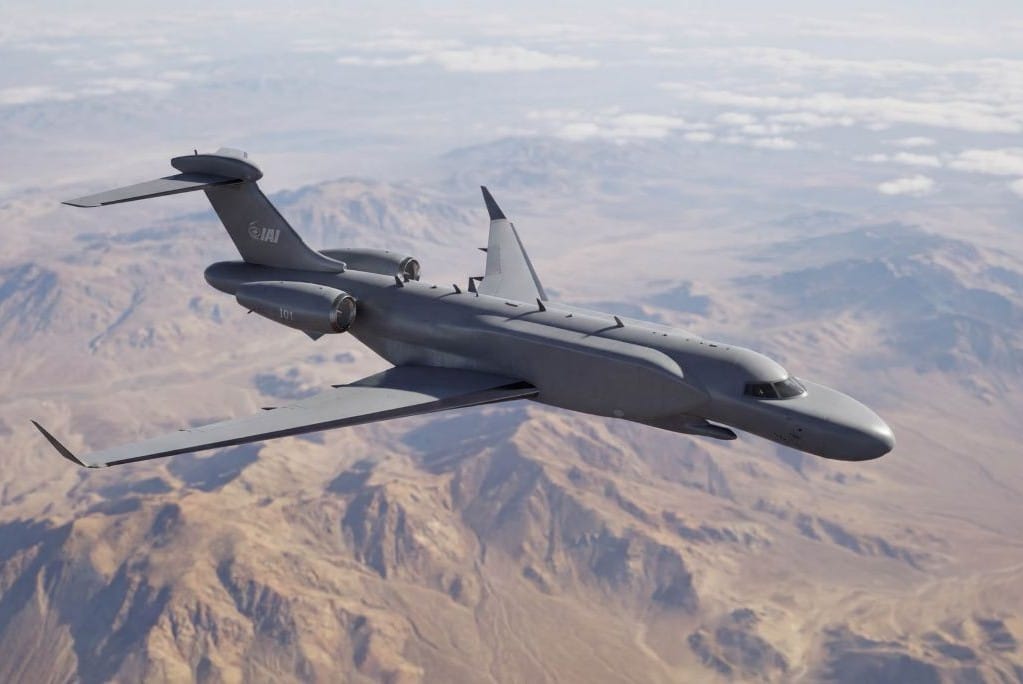
On July 20, 2026, Israel Aerospace Industries (IAI) unveiled the ELLYON, a next-generation multi-mission aircraft designed to enhance capabilities in electronic attack and advanced ISTAR (Intelligence, Surveillance, Target Acquisition, and Reconnaissance). The unveiling took place in Tel Aviv, showcasing Israel's commitment to maintaining its technological edge in aerial warfare.
The ELLYON integrates a range of features that position it to address contemporary battlefield challenges. Its electronic attack capabilities will allow for disruption of enemy communications and radar systems, potentially altering the dynamics of air superiority. Advanced ISTAR capabilities will enable the aircraft to gather and process critical intelligence, facilitating better decision-making and operational planning. This platform represents a significant advancement in the evolution of military aviation technology, reflecting the growing emphasis on multi-role capabilities in defense strategy.
Strategic Implications
The introduction of the ELLYON is significant for multiple reasons. First, it underscores Israel's ongoing innovation in defense technology, particularly in response to regional threats. As adversaries develop increasingly sophisticated countermeasures, the ability to conduct effective electronic warfare becomes paramount. Second, the ELLYON's advanced ISTAR capabilities could enhance joint operations with allies, thereby improving coalition effectiveness during multi-national engagements.
Looking ahead, the emergence of platforms like the ELLYON raises important questions about the future of air combat and intelligence operations. Analysts will be watching how this aircraft is integrated into existing forces and how it influences the capabilities of potential adversaries. The development also signals a broader trend toward the adoption of multi-mission platforms that can adapt to various operational requirements, reflecting a shift in military priorities.
Sources: Edrmagazine, European Security & Defence, Israel Defense, Defence Industry Europe, and Ynetnews