Israel Escalates Military Campaign Against Hezbollah in Lebanon

Intensified Strikes in Southern Lebanon
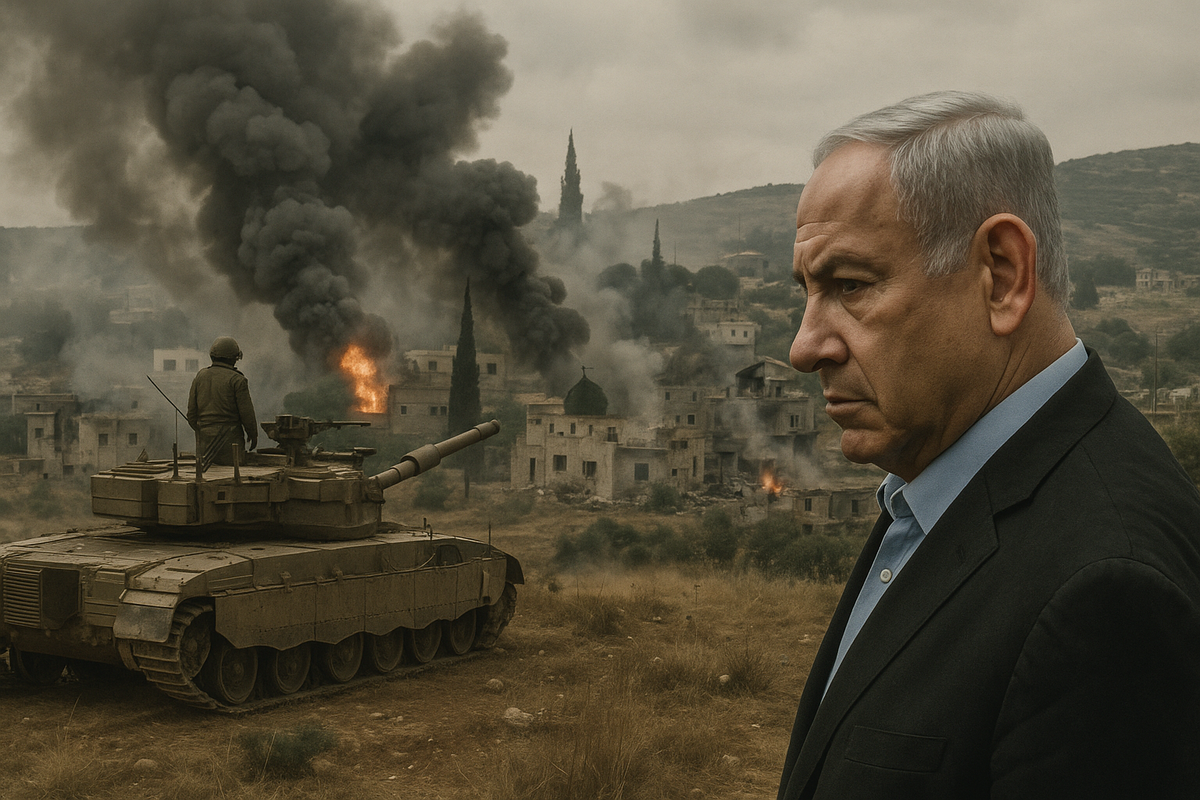
The Israeli army has significantly ramped up its military operations in southern Lebanon as of Monday, following an order from Prime Minister Benjamin Netanyahu to escalate the offensive aimed at "crushing" Hezbollah. This development marks a notable intensification of the conflict, which has raised concerns about broader regional instability.
In recent months, tensions between Israel and Hezbollah have escalated amid an ongoing conflict that has seen exchanges of fire across the border. Netanyahu’s directive to amplify military action suggests a strategic shift toward a more aggressive posture against Hezbollah, a militant group based in Lebanon that has historically posed a significant threat to Israel’s security. The Israeli government’s decision to engage in heightened military operations reflects a commitment to address what it perceives as existential threats from its northern neighbor.
Context and Impact on Regional Stability
This escalation is occurring against a backdrop of increasing volatility in the Middle East, where various state and non-state actors are vying for influence. Analysts will be watching the implications of these strikes not only for the Israeli-Lebanese dynamic but also for the potential reactions from other regional players, including Iran, which supports Hezbollah. Furthermore, the human cost of intensified military actions raises humanitarian concerns that could lead to international calls for restraint.
Why it Matters
The implications of Israel's intensified strikes raise critical questions regarding the future of stability in Lebanon and the broader region. Increased military actions could lead to retaliatory measures from Hezbollah, which in turn may provoke a wider conflict involving other regional actors. As the situation develops, the international community will be closely monitoring the potential for escalation and its repercussions on regional security dynamics.
Sources: Thedefensepost, BBC, PBS, The New York Times, and The Guardian