Japan to Launch Radar Satellites with Home-Built Rocket in 2027

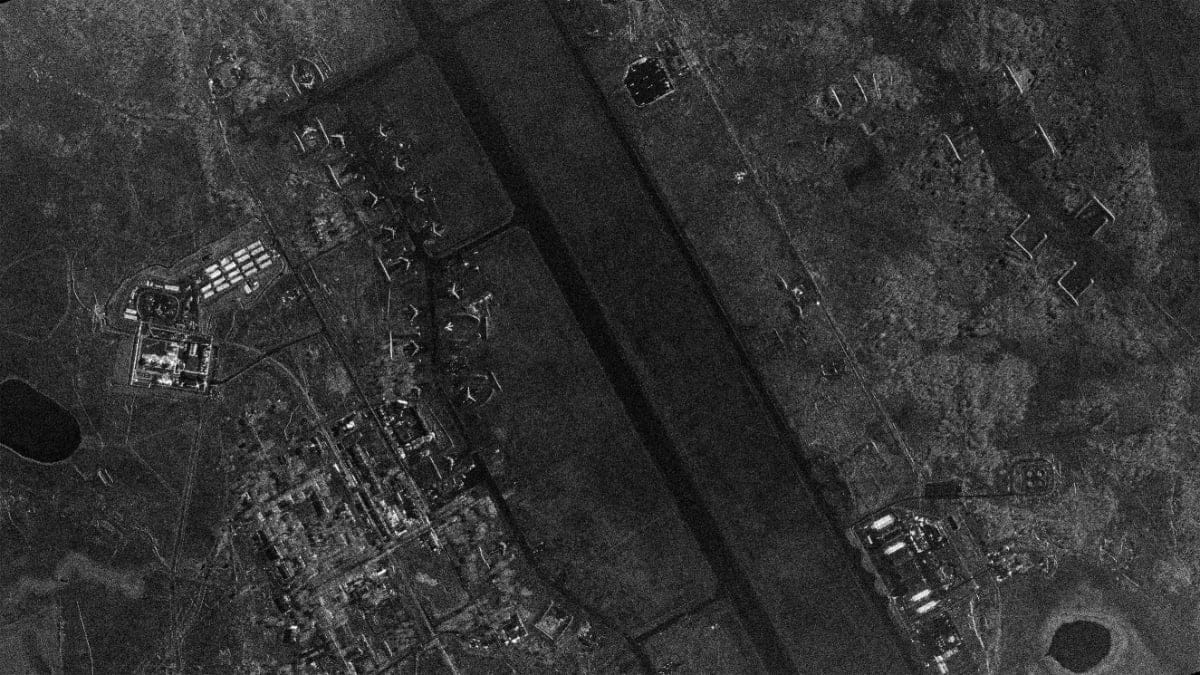
In a significant move for its defense capabilities, Japan's radar satellite company Synspective has secured a contract with Mitsubishi Heavy Industries to launch two of its advanced StriX satellites. This launch is scheduled for 2027 and will utilize Japan's home-grown H3 rocket. The StriX satellites are integral to Japan's Ministry of Defense, providing critical imagery and enhancing the country's situational awareness in the region.
StriX Satellites: Enhancing Japan's Defense
The StriX satellites are designed to improve Japan's reconnaissance and surveillance capabilities, which are increasingly vital given the evolving security landscape in East Asia. The imagery gathered by these satellites will play a crucial role in informing defense strategies and operations. Key aspects include:
- Launch Vehicle: H3 rocket, developed by Mitsubishi Heavy Industries.
- Launch Date: Scheduled for 2027.
- Purpose: Support Japan’s Ministry of Defense with enhanced imagery capabilities.
North Korea's Guided Rocket Developments
Meanwhile, North Korea continues to advance its military capabilities, recently test-firing an upgraded precision-guided 240mm rocket on September 22. According to state media reports, the new rocket boasts a range of up to 115 kilometers (approximately 71 miles), enabling it to reach the Seoul metropolitan area, significantly escalating the threat to South Korea.
The test highlights North Korea's ongoing efforts to enhance its military hardware, particularly in guided munitions technology. Specific details include:
- Test Date: September 22, as reported on September 24.
- Rocket Type: Upgraded 240mm precision-guided rocket.
- Range: Capable of striking targets up to 115 km away.
These developments underscore the increasing tension in the region, with Japan enhancing its surveillance capabilities to monitor threats while North Korea continues to refine its offensive capabilities. The interplay between these advancements will be critical in shaping the security dynamics in East Asia moving forward.
Sources: Defence-Blog, ipdefenseforum.com, Asia Times, space.com, and The Japan Times
Edited by Daniel Vazdar, Editor. How DEFCROS News reports, sources and corrects.