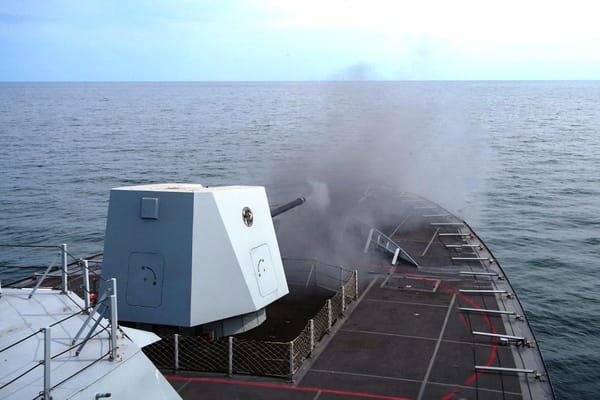
Japan's Defense Minister Advocates for Nuclear Deterrence Debate

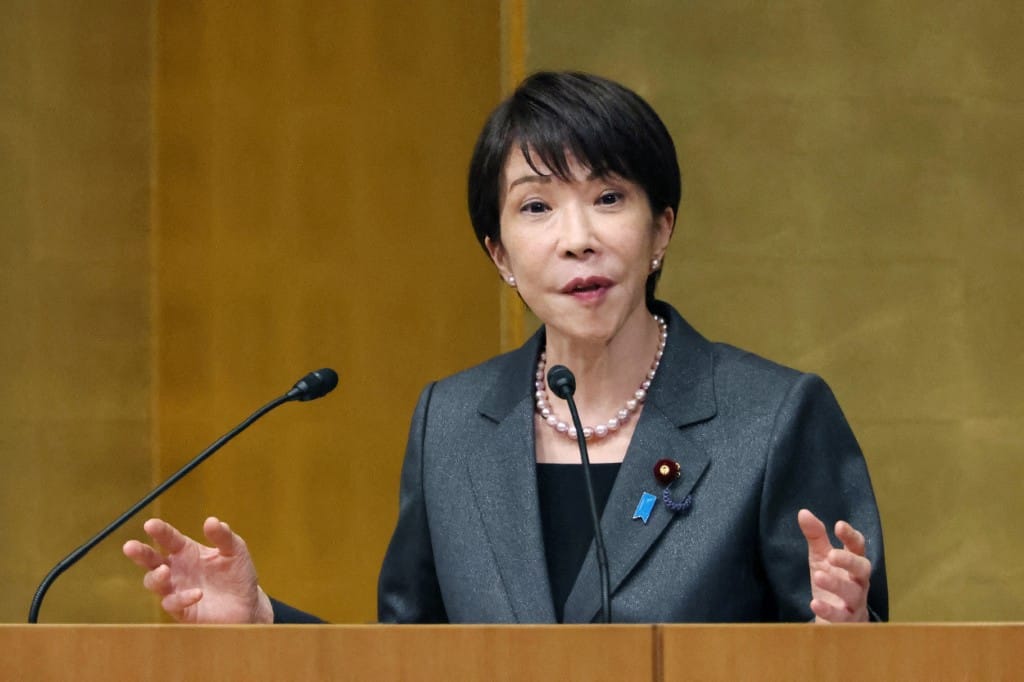
Open Discussion on Nuclear Policy
Japanese Defense Minister Koizumi has called for an open examination of nuclear deterrence within the country's security policy framework. This statement highlights a significant shift in Japan's approach to its defense strategy, emphasizing the need for a comprehensive dialogue on the role of nuclear capabilities in national defense.
This initiative comes amid growing regional security concerns, particularly in light of North Korea's continued missile tests and China's military expansion. Japan, which has historically maintained a pacifist stance post-World War II, is now reassessing its defense posture in response to these evolving threats. The push for a debate on nuclear deterrence signals a recognition of the changing geopolitical landscape and the necessity for Japan to adapt its security frameworks accordingly.
Implications for Regional Stability
The call for a debate on nuclear deterrence is particularly striking given Japan's pacifist constitution and its long-standing opposition to nuclear weapons. Minister Koizumi's remarks suggest a growing acknowledgment among Japanese leadership of the potential need for a more robust defense posture that could include nuclear deterrence as a safeguard against regional aggression. This raises questions about the future of Japan's defense alliances, particularly with the United States, and how those relationships may evolve in response to a shifting security landscape.
Why it matters: The implications of this debate could be profound, not only for Japan's national security but also for regional stability in East Asia. As Japan considers its options, analysts will be watching closely to see how this discussion influences defense policy and its alignment with allies. The outcome of this dialogue could redefine Japan's role in regional security dynamics and affect nuclear non-proliferation efforts in the broader context of international relations.
Sources: Thedefensepost, The Defense Post, The Japan Times, 조선일보, and Anadolu Ajansı