Jordan's Army Intercepts Iranian Missile Threats Amid Rising Tensions

Incident Overview
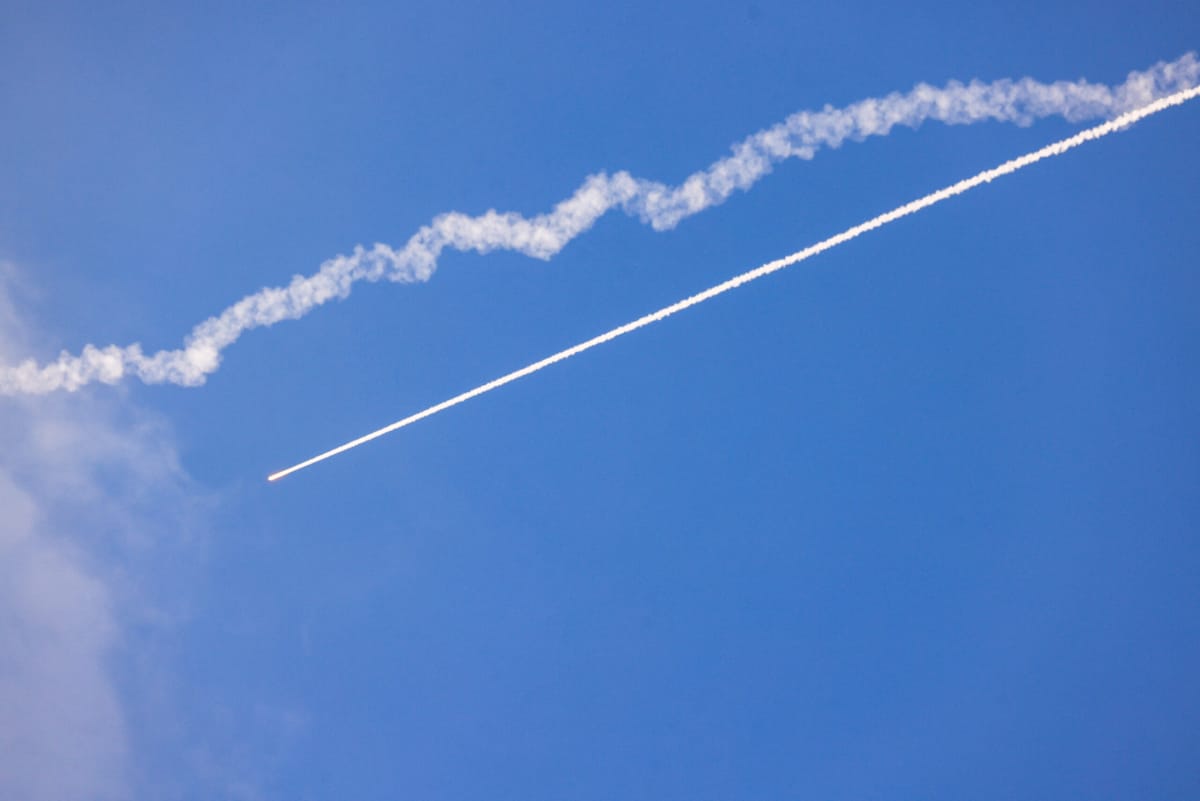
On Saturday, Jordan's army reported successfully intercepting and shooting down 10 Iranian missiles aimed at its territory. This incident occurred in the context of escalating tensions in the region, as Tehran retaliated against recent American strikes by intensifying its military actions against US allies.
Context and Analysis
The missile interceptions highlight Jordan's defensive capabilities amid a volatile security environment. With tensions between Iran and the United States rising, Jordan's military actions serve to protect its sovereignty and maintain regional stability. The successful downing of these missiles, with no reported casualties or damage, underscores the effectiveness of Jordan's air defense systems and its readiness to respond to external threats. This incident also reflects broader geopolitical dynamics, where Iranian aggression may lead to increased military preparedness among US-aligned nations.
As regional tensions persist, Jordan's proactive approach in defending against Iranian missile strikes can be viewed as a critical component of its national security strategy. The implications of this event extend beyond immediate military concerns, potentially influencing diplomatic relations and military alliances in the region.
Why it Matters
The interception of Iranian missiles by Jordan's army raises significant questions about the evolving threats posed by Iran to US allies in the Middle East. Analysts will be watching how this incident affects the military posture of neighboring countries and the potential for increased US involvement in regional defense initiatives. Additionally, this situation may prompt a reassessment of defense strategies among US allies, emphasizing the necessity for robust missile defense systems in the face of persistent threats.
Sources: Thedefensepost, The Defense Post, The Washington Post, The Times of Israel, and The Times of India