Kuwaiti F/A-18 Hornet Allegedly Shoots Down Three USAF F-15E Strike Eagles: Report

Analysis of Recent F-15 Shootdown Incident in Kuwait
Overview of Incident
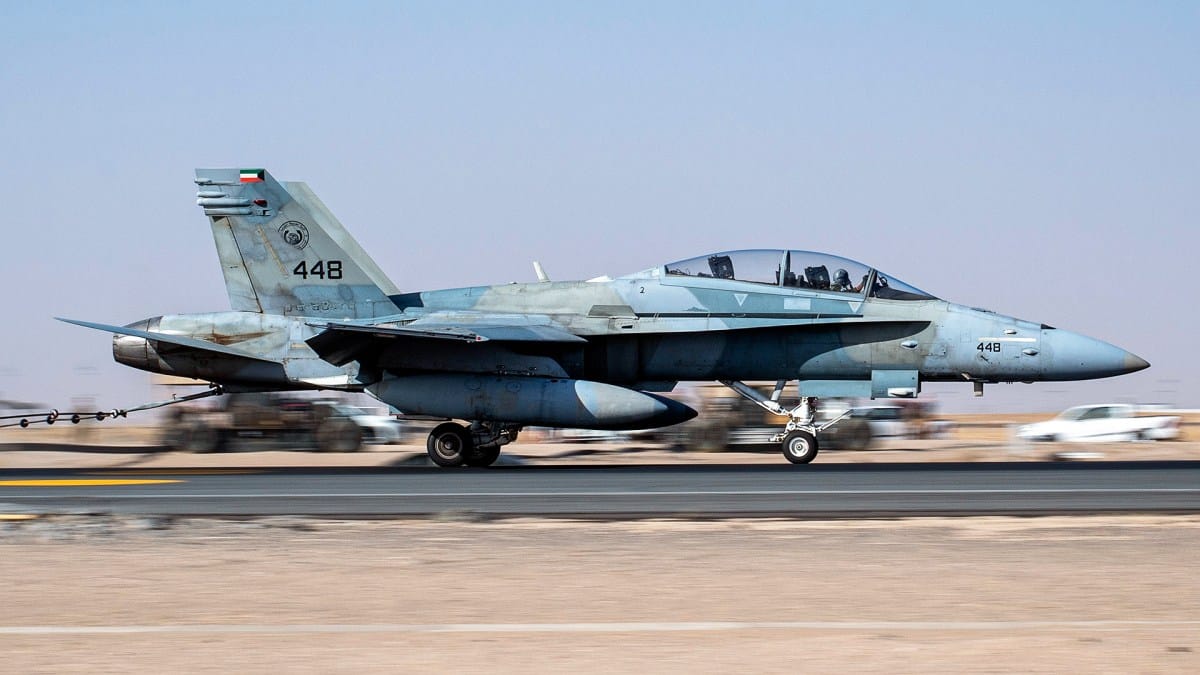
On March 1, 2026, three F-15E fighter jets belonging to the U.S. Air Force were accidentally engaged and downed over Kuwaiti airspace. Initial reports indicate that a Kuwaiti Air Force F/A-18 Hornet was responsible for the incident. While it was initially speculated that the aircraft were targeted by a ground-based air defense system, evidence suggests that the shootdown resulted from a misidentification during air-to-air engagements.
Details of the Engagement
According to preliminary accounts, a single Kuwaiti F/A-18 launched three missiles, leading to the loss of all three U.S. F-15Es. Fortunately, the crews survived the incident, which coincided with a period of heightened tension due to Iranian drone incursions into Kuwaiti airspace. One such drone reportedly impacted a military base, resulting in the tragic deaths of six American personnel.
Friendly Fire Context
This incident raises critical questions regarding the accuracy of identification systems in dynamically evolving combat environments. The complex airspace was populated with both friendly and hostile elements, resulting in a scenario where tactical aircraft could be easily misidentified. Notably, friendly fire occurrences are not unprecedented, with similar incidents documented in Kuwait’s past.
Tactical Analysis
The implications of this incident warrant a strategic review of current air engagement protocols:
- Aircraft Identification: The challenges in distinguishing between friendly and enemy aircraft in cluttered airspace can lead to severe operational consequences. Historical instances in the region underline the importance of refining identification procedures.
- Weapon Systems: Should the F/A-18 have deployed AIM-9 Sidewinder missiles, F-15E pilots might not have been aware of the engagement until detonation. The efficacy of these passive heat-seeking missiles underscores the need for improved situational awareness among friendly forces.
- Survivability: Analysis of the damage inflicted on the F-15Es suggests a likelihood of lower-yield munitions being utilized, which would account for both the destruction of the aircraft and the survival of the pilots. This contrasts with the typically catastrophic damage associated with more powerful surface-to-air systems.
Ongoing Investigations
As investigations into the events surrounding this rare friendly fire incident continue, it is imperative that military leadership assess existing frameworks governing air-to-air engagements. The complexity of modern combat environments necessitates that air forces adopt cutting-edge technologies and protocols to minimize the risk of similar occurrences in the future.
Next Steps
- In-depth Review: A thorough evaluation of air engagement policies is essential, considering historical lessons and current operational realities.
- Training Enhancements: Improved pilot training focusing on identification procedures, threat detection, and engagement decision-making could further mitigate risks associated with friendly fire.
- Technology Upgrades: Investing in advanced identification systems and communication networks among allied forces will be crucial for fostering a unified airspace management strategy.
This incident serves as a critical reminder of the inherent risks in contemporary warfare, necessitating a reassessment of operational protocols to safeguard personnel and assets effectively. As the investigation unfolds, further updates will be provided regarding the findings and any recommended changes to current military practices.