Lack of Counterterrorism Strategy Raises Concerns Amid Iranian Threats

Current Context of Iranian Threats
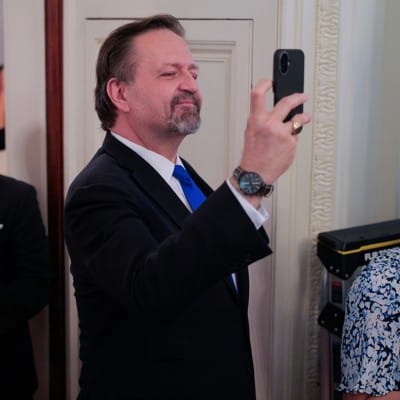
Recent Iranian threats against U.S. targets have reignited scrutiny over the absence of a cohesive counterterrorism strategy from the Trump administration, specifically from Sebastian Gorka, who has been designated as the counterterrorism czar. This situation has become increasingly pressing with the ongoing geopolitical tensions in the Middle East, particularly as Iran continues to demonstrate its willingness to confront U.S. interests in the region.
Insights on the Counterterrorism Strategy Gap
The lack of a definitive counterterrorism plan from Sebastian Gorka has raised alarm among defense professionals and policymakers alike. Despite Gorka's assurances of a forthcoming doctrine, the absence of actionable strategies has left U.S. forces and allies in a precarious position. Analysts are questioning the potential ramifications of this strategic void, especially as Iranian provocations escalate. The implications of such inaction could be significant, potentially emboldening adversaries and undermining U.S. credibility on the global stage.
What this means for U.S. security interests is that the administration must urgently address this gap to deter Iranian aggression effectively. The continuing threats serve as a reminder that a well-defined counterterrorism strategy is crucial not only for immediate responses but also for long-term stability in the region. Moving forward, the pressure will be on the Trump administration to formulate and implement a robust plan that can reassure both domestic and international partners of U.S. commitment to counterterrorism efforts.
Sources: Defenseone, ProPublica, The Washington Post, CBS News, and Al-Monitor