Land-Based Marine Corps F-35Cs Deploying to the Middle East

Strategic Insights on U.S. Military Deployments and Escalation in the Middle East
Overview
Recent movements within U.S. military assets in the Middle East have garnered significant attention, particularly the operational deployment of the F-35C Lightning II, the Marine Corps’ carrier variant of the Joint Strike Fighter. This development, indicative of an evolving military strategy, highlights the heightened tensions in the region amid ongoing conflicts involving Iran and Israel.
F-35C Deployment for Operation Epic Fury
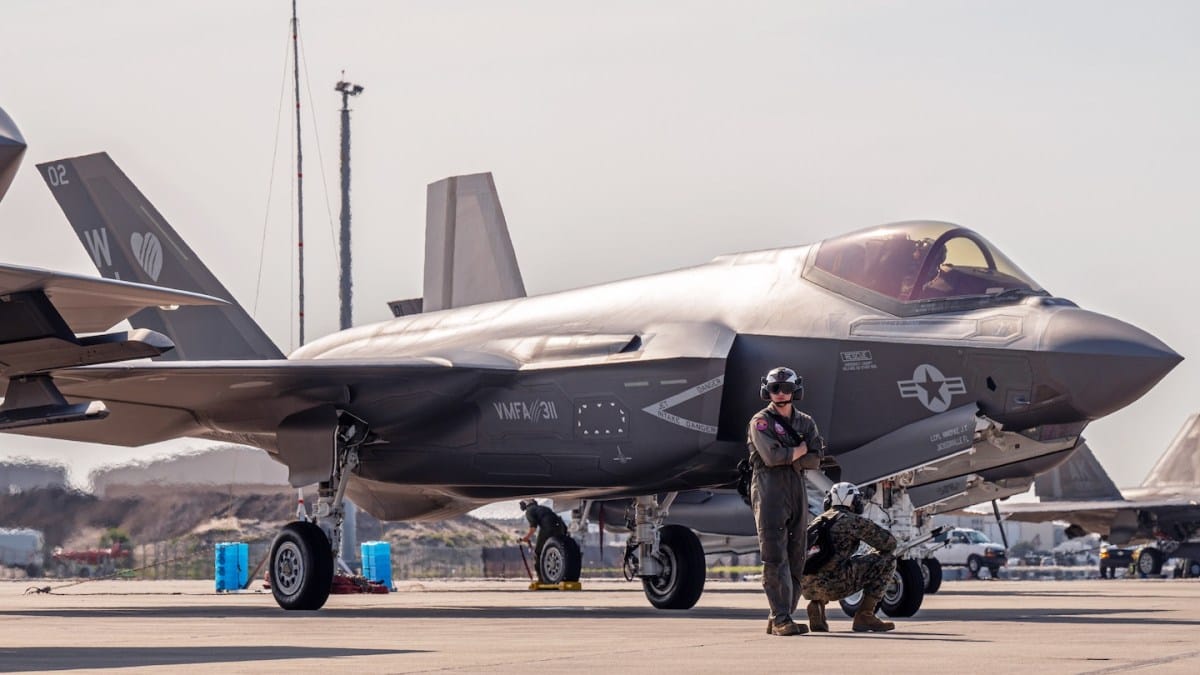
The U.S. Marine Corps has initiated the deployment of F-35Cs from Marine Fighter Attack Squadron 311 (VMFA-311), known as the “Tomcats”, to the UK as part of Operation Epic Fury. This marks the first land-based combat allocation for the F-35C, positioning it as a pivotal aerial platform within U.S. Central Command (CENTCOM).
- Initial Flight Details: Five of the ten designated aircraft departed from Marine Corps Air Station (MCAS) Miramar, California, on March 10, arriving at RAF Lakenheath, England.
- Expected Missions: Their final theater of operations remains unconfirmed, yet they are anticipated to join existing combat units, including U.S. Air Force F-35As and additional Marine Corps F-35Bs earmarked for operations aboard the USS Abraham Lincoln and amphibious assault ships USS Boxer and USS Tripoli.
Escalation of Regional Conflicts
As U.S. combat aircraft bolster operational capabilities in the region, Iran’s military provocations have intensified, leading to a series of missile strikes against Israeli territories.
- Iran’s Missile Activity: Reports indicate that over 460 missiles have been launched towards Israel, with substantial land damages reported in urban centers such as Tel Aviv.
- IDF Response: The Israeli Defense Forces (IDF) have conducted extensive retaliatory airstrikes targeting Iranian military assets, with operations reportedly focused on command centers and ballistic missile storage facilities across Iran. As of the latest assessments, over 3,000 airstrikes have occurred since the conflict escalated.
Diplomatic Maneuvering
With mounting hostilities, the geostrategic landscape has prompted nations like Pakistan to offer mediation services amid diplomatic overtures for conflict resolution among the involved parties.
- U.S. and Iranian Communication: Amidst ongoing hostilities, U.S. President Donald Trump has hinted at possible negotiations and concessions, asserting that Iran has engaged in dialogue to explore a resolution.
- Statements from Iranian Officials: Contrarily, Iranian Parliament Speaker Mohammad Baqer Qalibaf has publicly dismissed U.S. claims of negotiations, characterizing them as disinformation aimed at manipulating market dynamics.
Naval Dynamics in the Strait of Hormuz
As tensions persist, control of the strategically vital Strait of Hormuz remains hotly contested, with reports emerging of potential coalition efforts to reopen the waterway.
- Coalition Operations: The Royal Navy is reportedly poised to spearhead a “Hormuz Coalition” aimed at securing maritime routes critical for global energy supplies. This coalition is set to include significant contributions from additional NATO partners.
- Iran’s Stance: Amidst these maneuvers, Iranian authorities have threatened to impose tolls on vessels transiting the strait, potentially establishing an informal tax regime for maritime access.
Conclusion: Preparing for Future Engagements
While military deployments signify U.S. commitment to countering Iranian assertiveness, the evolving situation necessitates a multifaceted approach to both military readiness and diplomatic engagement. As regional dynamics shift, ongoing assessments will be crucial for strategic military planning and international relations in this volatile landscape.
- Upcoming Military Developments: Additional deployments, including elements of the 82nd Airborne Division, are being discussed as contingency plans unfold, aimed at both reinforcing defense and conducting potential offensive operations.
- Monitoring International Reactions: Countries like Saudi Arabia are increasingly involved, with indications pointing toward a broader military engagement against Iranian threats.
The current situation in the Middle East underscores the delicate balance of power, where military readiness, strategic partnerships, and diplomatic efforts must coexist to navigate the challenges ahead effectively.