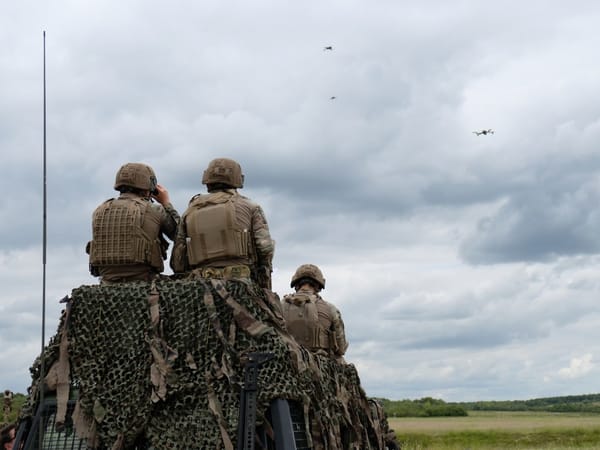
LUCAS Kamikaze Drones Praised as "Indispensable" by U.S. Admiral Leading Iran Operations

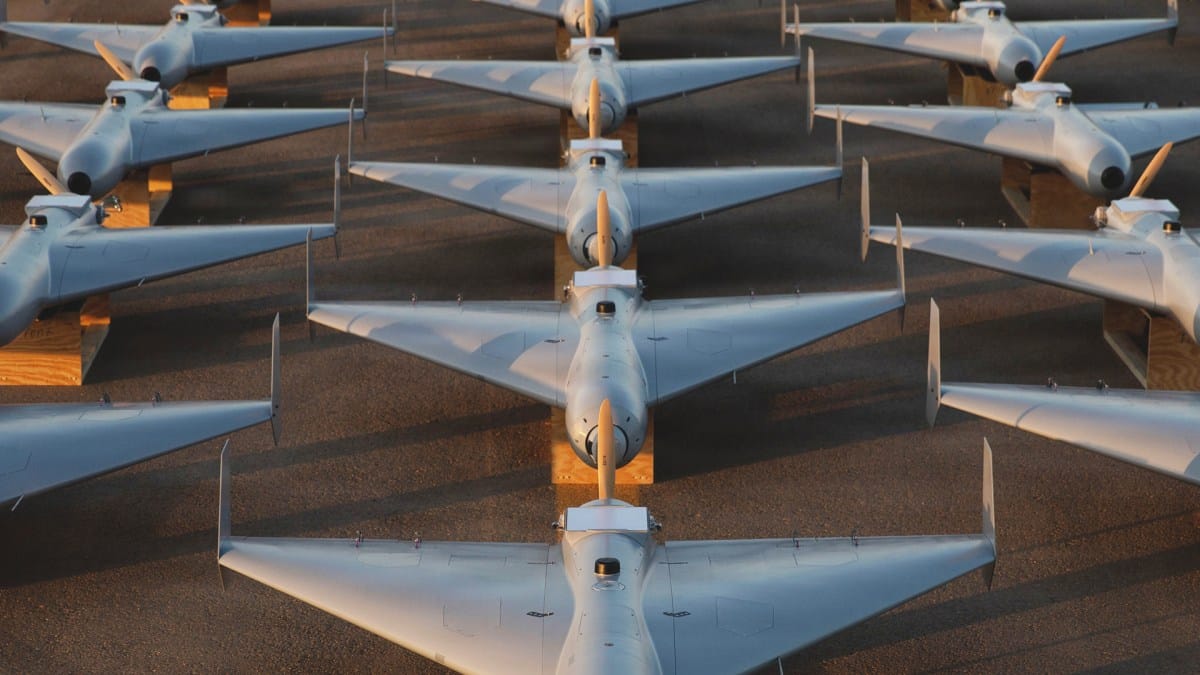
Overview of the Low-Cost Uncrewed Combat Attack System (LUCAS)
Context of Recent Military Developments
During a recent press conference at CENTCOM headquarters in Tampa, Florida, Admiral Brad Cooper, who is at the forefront of military operations against Iran, commended the effectiveness of the Low-Cost Uncrewed Combat Attack System (LUCAS) kamikaze drone. This system, modeled after the Iranian Shahed-136, has been deployed against key Iranian targets as part of the ongoing Operation Epic Fury, which represents a coordinated U.S.-Israeli military initiative.
Operational Deployment of LUCAS
- Recent Engagements: LUCAS has reportedly been utilized in combat scenarios over the past week, marking its operational debut in this theater. The drones have been employed in the opening phases of attacks targeting unspecified Iranian assets.
- Admiral Cooper’s Assessment: He emphasized the tactical advantages of LUCAS, noting its role in enhancing the U.S. military’s “magazine depth”—a term that refers to the stock of munitions available for rapid deployment. Cooper described LUCAS as “indispensable,” particularly for preserving vital resources when faced with ongoing conflict.
Strategic Advantages and Cost-Effectiveness
American military analysts have been critical of traditional high-cost weapon systems, bringing attention to the potential benefits of lower-cost alternatives:
- Cost Metrics: A conventional Tomahawk cruise missile can cost between $2 to $2.5 million. In contrast, LUCAS drones are budgeted at approximately $35,000 per unit. This drastic reduction in cost allows for a broader deployment strategy, potentially leading to greater operational tempo.
- Scalability and Readiness: LUCAS drones offer a scalable solution with rapid production capabilities. Their design allows for operations beyond line of sight, making them extremely effective across CENTCOM’s expansive operational landscape.
Design Features and Tactical Integration
The LUCAS drones incorporate advanced features to optimize their combat effectiveness:
- Autonomous Coordination and Swarming Capabilities: U.S. officials have highlighted the drone’s capacity for autonomous operation, enabling swarm tactics and network-centric strikes. These features are complemented by satellite-based communication systems, allowing for sophisticated targeting and mission execution while ensuring human oversight.
- Operational Impact: Reports indicate that U.S. forces have effectively engaged a diverse range of targets using these drones, significantly affecting enemy capabilities.
Concerns Over Munitions Supply Chain
Despite Admiral Cooper and War Secretary Pete Hegseth’s assurances regarding the sufficiency of U.S. munitions, the prolonged nature of Operation Epic Fury raises questions about supply chain resilience:
- Munitions Assurance: Hegseth asserted that the Pentagon possesses ample stockpiles to sustain military operations against Iranian threats, although concerns persist regarding the longevity of these resources amid increasing demand.
- Iran’s Capability: The Iranian military continues to present challenges, with a substantial cache of missiles and drones still operational. Observers note that while the U.S. has made significant strides in degrading Iranian capabilities, the conflict’s trajectory remains uncertain.
Conclusion: Future Outlook
The strategic deployment of LUCAS signifies a shift in U.S. military tactics, underscoring the importance of cost-effective, high-utility systems in modern warfare. As the operational landscape evolves, the integration of advanced technologies and the ability to rapidly scale production will be essential for maintaining operational readiness and effectively countering evolving threats.
Author’s Note
This analysis aims to provide defense professionals with a nuanced understanding of LUCAS’s role in current military operations, emphasizing its strategic advantages and the ongoing challenges faced by U.S. forces. For further inquiries or detailed discussions, please reach out to the author directly.