Marines Transitioning from F/A-18 Maintenance Jobs

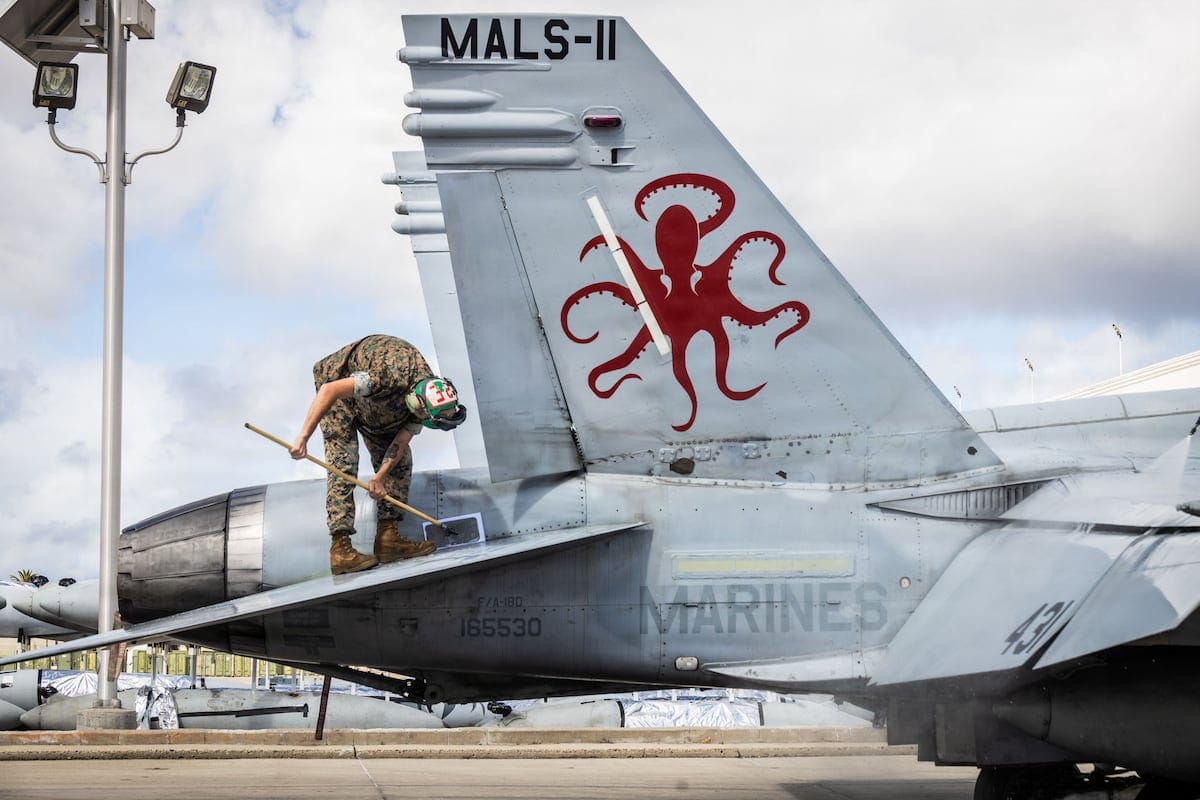
End of an Era for Hornet Maintenance
The U.S. Marine Corps is set to phase out maintenance positions related to the F/A-18 Hornet as the service transitions away from this aircraft model. This decision impacts enlisted Marines who specialize in Hornet maintenance, presenting them with limited options for their future roles within the Corps. Those affected will be offered retraining, reassignment, or face potential career dead ends, signaling a significant shift in the Marine Corps' operational focus.
This transition coincides with the broader strategy of modernizing the Marine Corps' aviation capabilities. As new aircraft platforms are integrated, the need for experienced personnel in legacy systems like the Hornet diminishes. The move reflects a trend within the military to adapt to evolving technological landscapes and operational requirements. The reduction in Hornet maintenance roles underscores the necessity for the Marine Corps to ensure its workforce is aligned with current and future missions.
Strategic Implications
The implications of this shift are multifaceted. First, it raises questions about the retention of skilled personnel who may feel uncertain about their career trajectories. Additionally, the transition could affect operational readiness if retraining does not adequately equip Marines for new roles. This highlights the importance of effective transition programs to maintain morale and capability within the ranks.
In a rapidly changing defense environment, the Marine Corps' decision to phase out F/A-18 maintenance jobs illustrates a commitment to modernization. As the service navigates this transition, analysts will be watching closely to see how it balances personnel management with the integration of new technologies and platforms. The outcome will be critical in shaping the future effectiveness of Marine aviation operations.
Sources: Defensenews, Marine Corps Times, Task & Purpose, and 19FortyFive