More U.S. Fighter Aircraft Deployed to the Middle East

Operational Update: Deployment of U.S. Forces in Response to Ongoing Conflict with Iran
Introduction to Operation Epic Fury
As notably reported, the U.S. and Israel have escalated military operations against Iranian targets, officially dubbed “Operation Epic Fury.” Four days into this operation, U.S. Central Command (CENTCOM) has initiated strategic troop movements, specifically increasing the number of tactical aircraft in the Middle East.
Increased Tactical Air Assets
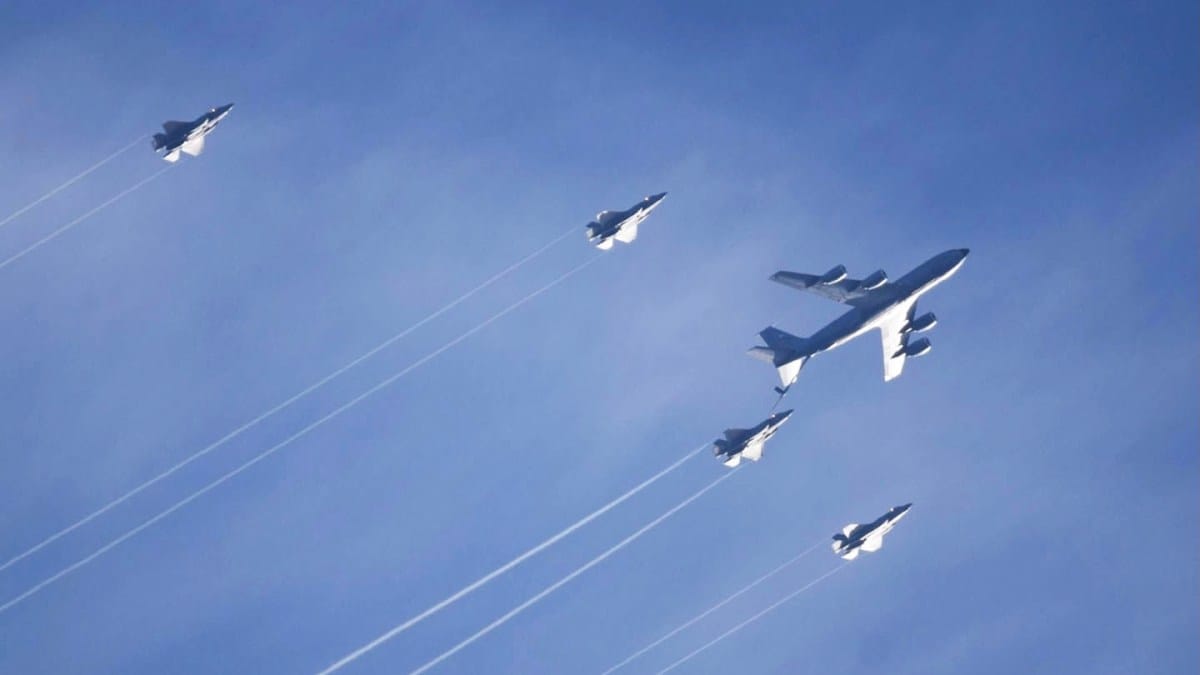
- Deployment Details: Recent reports indicate that additional F-35A Lightning II stealth fighters and F-15E Strike Eagles departed from Lakenheath Air Base in the United Kingdom.
- Context: This influx of aircraft is vital, particularly following the loss of three F-15Es to friendly fire incidents attributed to Kuwaiti air defenses.
These additional assets will significantly bolster CENTCOM’s aviation capabilities amid a complex operational environment characterized by Iranian missile and drone activities.
Leadership Insights on Force Augmentation
General Dan Caine, Chairman of the Joint Chiefs of Staff, has publicly acknowledged ongoing enhancements to U.S. aviation resources in the Middle East. In a recent press conference, he stated:
- Force Assessment: “Admiral Brad Cooper, commander of CENTCOM, will receive additional forces as required.”
- Operational Flexibility: Caine emphasized the adaptability of joint forces, highlighting their ability to project power strategically according to national imperatives.
While specific operational details remain classified, Caine remarked that the pace of deployments aligns with intended combat readiness objectives.
Evolving Tactical Dynamics
The trajectory of U.S. military engagement will largely depend on the unfolding landscape of the conflict against Iran. According to Caine:
- Assessment Mechanism: Admiral Cooper will continually review operational momentum and adjust requests for joint force assistance. This may include scaling combat capabilities up or down based on real-time evaluation of battlefield conditions.
Open-Source Intelligence Observations
Reports from open-source intelligence indicate approximately twelve F-35As, previously stationed at Hill Air Force Base, are confirmed en route to augment U.S. capabilities in the region.
- Photographic Evidence: Various aviation enthusiasts have captured images of these aircraft as they transit to operational readiness.
Composition of Current Air Operations
CENTCOM now hosts a diverse array of combat aircraft, including but not limited to:
- F-15E Strike Eagles and F-35A Lightning IIs
- B-2 Spirit, B-1 Lancer, and B-52 Stratofortress bombers, actively participating in targeting operations
- Various support aircraft, including aerial refueling tankers and reconnaissance assets
Within the first three days of Operation Epic Fury, CENTCOM reported over 1,700 targeted strikes. Notable targets have included:
- Iranian command and control centers
- Facilities of the Islamic Revolutionary Guard Corps (IRGC)
- Air defense systems and missile sites
International Coalition Contributions
The operational response is not limited to U.S. forces. Israel has spearheaded airstrikes against high-value Iranian targets, while allied forces from the U.K. and France have also deployed assets to provide necessary military support.
- U.K. Engagement: British F-35Bs have displayed operational effectiveness, claiming their first aerial engagement by downing an Iranian drone over Jordan.
- French Commitment: The French government has dispatched Rafale fighters to defend its military infrastructure located in the United Arab Emirates against potential Iranian aggressions.
Future Projections and Strategic Considerations
The duration of Operation Epic Fury remains indeterminate, with U.S. leadership indicating potential timelines extending four to five weeks. While significant aircraft are currently in theater, sustaining such levels of operational intensity will necessitate continued reinforcement of allied aviation capabilities.
As the conflict unfolds, monitoring these developments will be critical to understanding broader regional security implications and strategic military considerations.
Closing Remarks
The complexity of this conflict underscores the necessity for comprehensive situational awareness and adaptive military strategies. Continuous assessments and strategic force positioning will be imperative as the U.S. and its allies grapple with the evolving dynamics of military engagement in the Middle East.
For further inquiries, please reach out at [email protected].