NATO Adjusts Kosovo Peacekeeping Forces Amid Improved Security

Troop Reduction in Kosovo
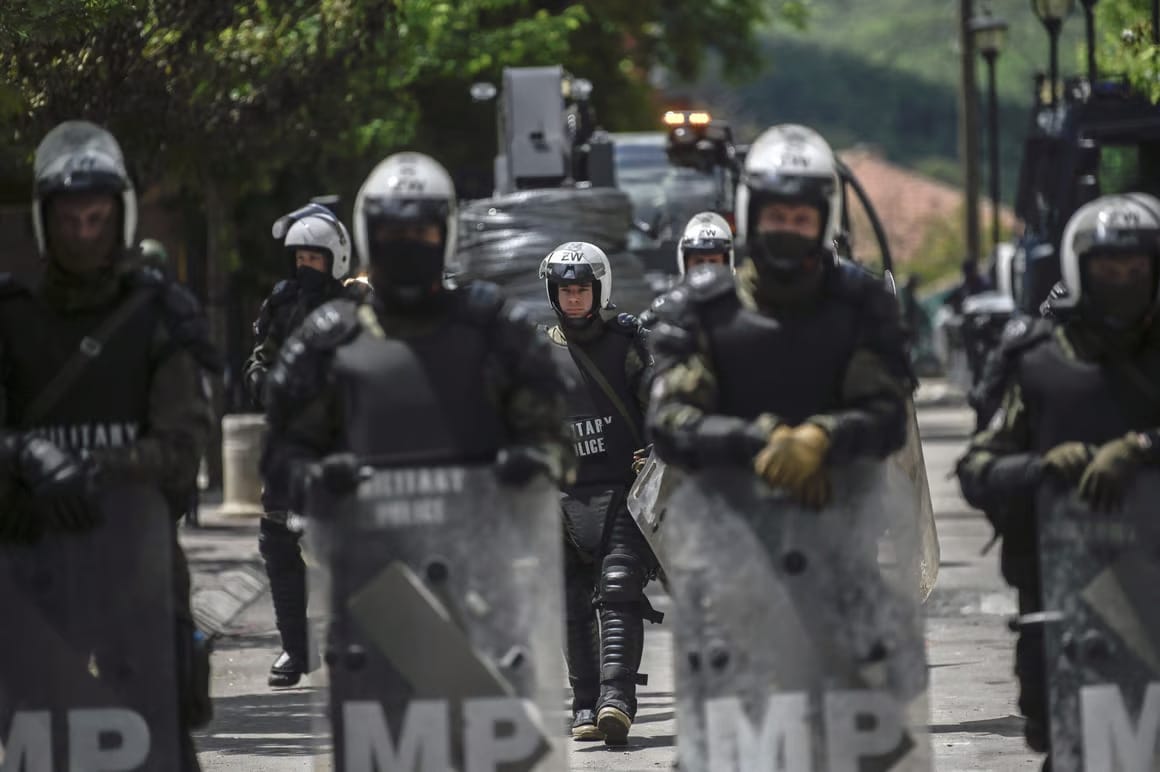
NATO has announced a reduction in troop numbers for its peacekeeping mission in Kosovo, citing an improvement in the security situation within the region. This decision reflects a significant shift in the operational landscape, indicating that the conditions on the ground have stabilized to a degree that allows for a decrease in military presence.
Context and Analysis
The peacekeeping mission in Kosovo has been ongoing since 1999, aimed at maintaining stability in a region that has historically been marked by ethnic tensions and conflict. As conditions improve, NATO’s strategic recalibration suggests a recognition of the effectiveness of its previous efforts in fostering peace and security. The drawdown of troops can also be seen as a response to evolving geopolitical dynamics in the Balkans, where national and regional actors are increasingly engaged in dialogue and cooperation.
This reduction raises questions about the future role of NATO in the region and the potential for further changes in military engagement. As NATO adjusts its presence, it could open avenues for enhanced local governance and security forces to take a more prominent role in maintaining stability.
Why it matters: The implications of this troop reduction extend beyond Kosovo itself. Analysts will be monitoring how this change affects regional security dynamics, including the responses from neighboring countries and local stakeholders. Additionally, the ability of local authorities to sustain peace without NATO's direct oversight will be critical. The ongoing assessment of the situation will be essential for NATO’s strategy and for understanding the broader implications for stability in the Balkans.
Sources: Thedefensepost, Stars and Stripes, Anadolu Ajansı, The Defense Post, and Euronews