NATO Allies Seek Clarity on US Troop Movements Ahead of July Summit

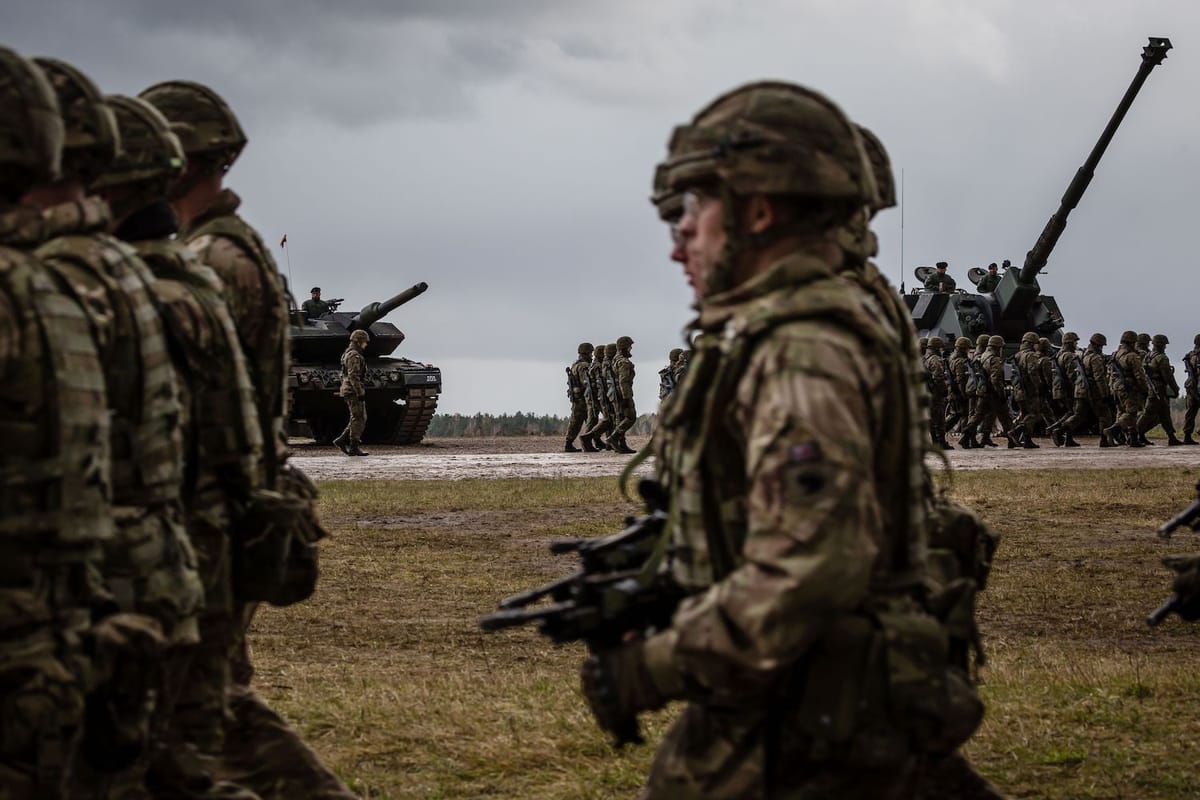
Concerns Over US Military Posture
NATO's European members engaged in urgent discussions with US Secretary of State Marco Rubio on troop shifts implemented by Washington. The conversations arose from a need to address President Donald Trump's heightened concerns regarding Iran, particularly in the lead-up to a scheduled summit in July.
This situation reflects ongoing tensions between the US and Iran, with President Trump's actions aimed at reinforcing a robust defense posture in the region. The troop movements have left NATO allies scrambling for clarity, indicating potential fissures in coordination and strategy within the alliance. As European nations seek to align their military readiness with US decisions, the implications of these troop shifts are significant for transatlantic relations.
Implications for NATO Unity
The urgency expressed by NATO allies highlights a crucial moment for the alliance as it navigates the complexities of US foreign policy under President Trump. With the upcoming summit, the need for a cohesive strategy against perceived threats from Iran is paramount. This raises the question of how aligned NATO remains in its collective defense commitments amidst varying national priorities.
Furthermore, the lack of clear communication regarding troop deployments could foster uncertainty among member states, potentially undermining NATO's collective defense principle. Analysts will be watching how this situation evolves, particularly in relation to NATO’s operational effectiveness and the alliance's ability to present a unified front.
Sources: Thedefensepost, BBC, France 24, Los Angeles Times, and Radio Free Europe/Radio Liberty