NATO and EU Diverge in Response to Russia's Invasion of Ukraine

Distinct Roles in Crisis Management
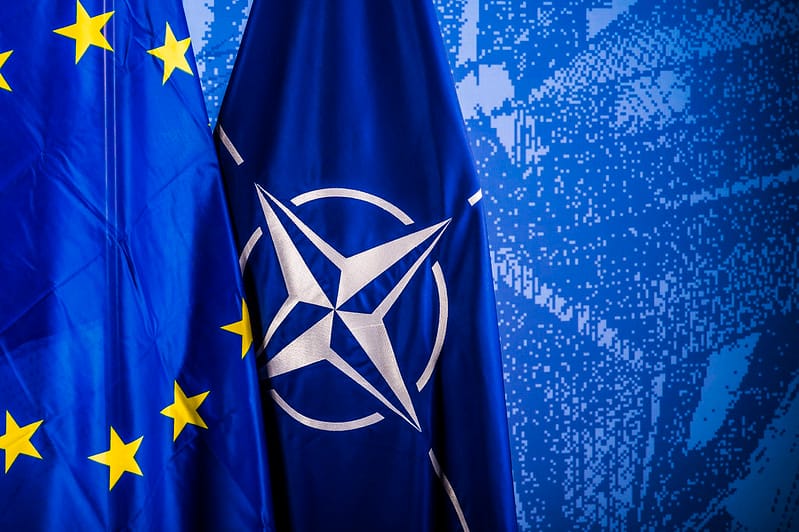
Russia’s full-scale invasion of Ukraine has prompted immediate action from both NATO and the European Union, yet their approaches highlight significant differences in their operational frameworks. The EU has concentrated on imposing sanctions and exerting economic pressure, alongside efforts to diminish Europe’s reliance on Russian energy sources. Conversely, NATO’s strategy has centered around deterrence, aimed at reinforcing its eastern flank and preventing the conflict from spilling over into Allied territories. This divergence underscores the varying responsibilities and tools at the disposal of these two key organizations.
The ongoing conflict serves as a litmus test for Western unity and the adaptability of institutions originally designed for a different security landscape. As both NATO and the EU navigate this unprecedented situation, their contrasting strategies reveal the challenges of coordinating a cohesive response to a large-scale war in Europe. NATO’s focus on military readiness and deterrence contrasts with the EU’s economic and diplomatic measures, raising questions about the long-term effectiveness of their respective strategies in addressing the crisis.
The implications of this dual response are profound, particularly for European security architecture. The effectiveness of NATO in reinforcing member states’ defenses and the EU’s ability to sustain economic pressure on Russia will significantly shape the geopolitical landscape in the coming months. As the conflict evolves, both organizations must evaluate the adequacy of their responses and consider whether adjustments are necessary to ensure both military and economic resilience against future threats.
Sources: Defence24, Українські Національні Новини (УНН), WSJ, Time Magazine, and Council on Foreign Relations
Edited by Daniel Vazdar, Editor. How DEFCROS News reports, sources and corrects.