NATO Conducts Military Exercises in Finland Amid Tensions with Russia

International Exercises in Challenging Terrain
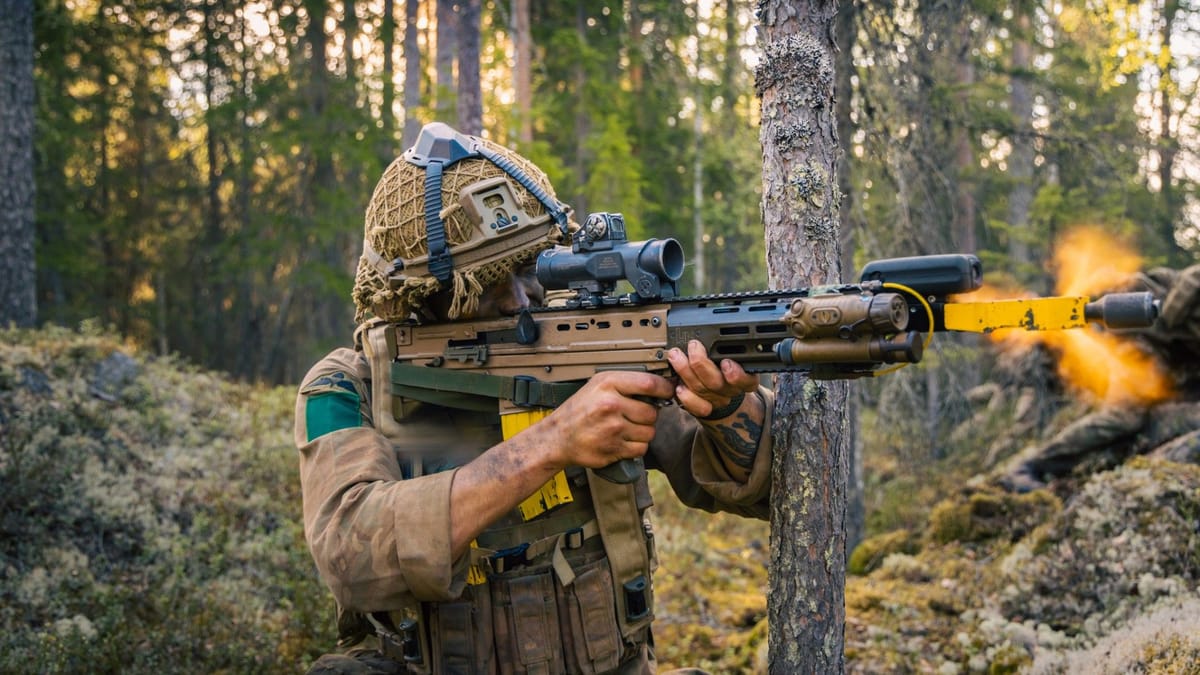
International military exercises are currently taking place in the Finnish forests, where soldiers are operating under exceptionally challenging terrain conditions. These maneuvers involve multiple nations and are designed to enhance preparedness for potential conflict with Russia. The exercises underscore NATO's commitment to strengthening its defense posture in the face of evolving security challenges in Eastern Europe.
These military drills reflect a broader strategic response to Russia's activities in the region, particularly in light of heightened tensions. NATO member states are increasingly recognizing the necessity of collaboration and interoperability in military operations. The decision to conduct exercises in Finland, a nation that shares a border with Russia, highlights the alliance's focus on expanding its operational capabilities and readiness in close proximity to potential threats.
Key Objectives and Implications
The ongoing exercises serve not only as a test of military readiness but also as a demonstration of unity among NATO allies. As nations navigate the complexities of joint operations in difficult environments, the potential for improved tactical coordination increases significantly. This raises the question of how NATO will further adapt its strategies and operations in response to the evolving security landscape in Europe.
Why it Matters
The implications of these exercises extend beyond immediate military readiness. Analysts will be watching how such maneuvers influence the strategic calculus of Russia and other regional actors. By showcasing a united front and enhanced capabilities, NATO aims to deter aggression and reinforce its commitment to collective defense. The outcome of these drills may well inform future military planning and alliance strategies as geopolitical dynamics continue to shift.
Sources: Defence24, Bloomberg.com, Reuters, Modern Diplomacy, and UNITED24 Media