NATO Summit in Ankara: An Assessment of Its Impact and Implications

Analyzing the NATO Summit's Significance
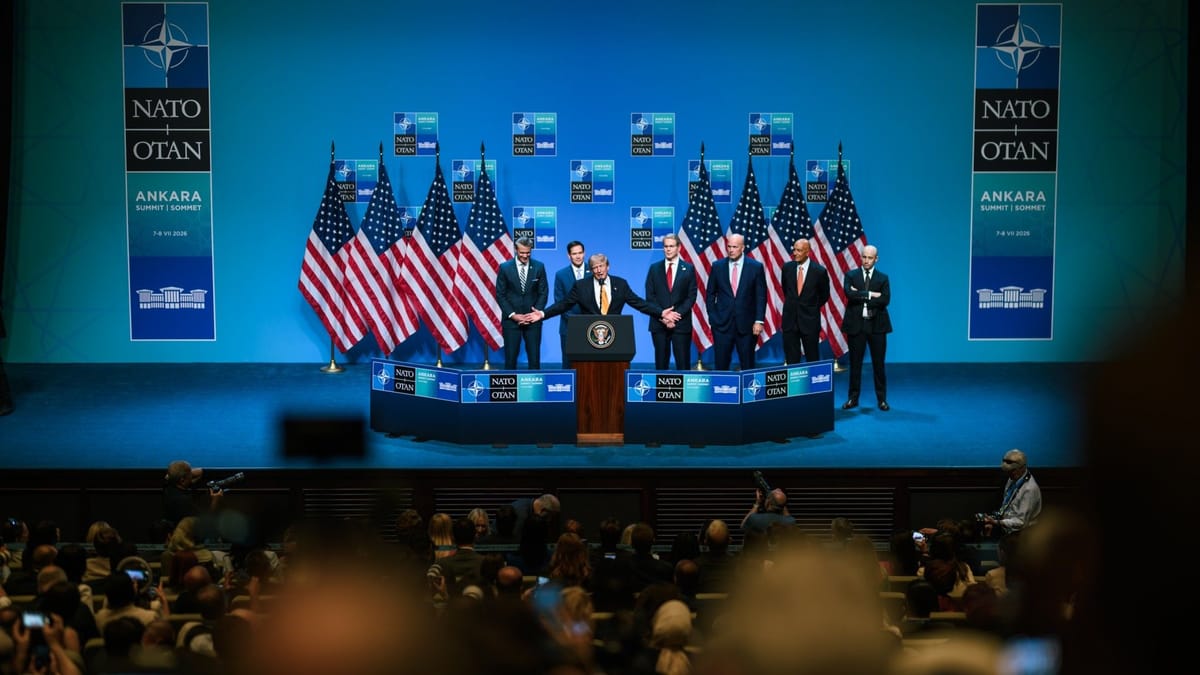
The NATO summit held in Ankara has prompted discussions regarding its significance in reshaping the Alliance's future. Observers are assessing whether the event, which took place a month ago, truly represented a turning point or if it merely served as a ceremonial gathering characterized by smiles and formalities. While the summit produced a communiqué filled with ambitious statements, the tangible outcomes and changes in policy remain uncertain.
The summit's atmosphere, marked by high-level engagement from various leaders, did not necessarily translate into concrete strategic shifts for NATO. The term "historic" is often used to describe such summits, but analysts suggest that without substantive changes in the Alliance's operational strategies or commitments, the Ankara meeting may fall short of that designation. The focus on rhetoric over action raises questions about NATO's ability to address evolving security challenges effectively.
The implications of the Ankara summit appear to resonate differently among NATO member states. For some, the continuation of traditional diplomatic posturing without concrete action may foster skepticism regarding the Alliance's ability to respond to contemporary threats. As nations weigh their commitments within NATO, the need for clear, actionable frameworks may become increasingly pressing.
Sources: Defence24, TRT World, Atlantic Council, Carnegie Endowment for International Peace, and RealClearDefense
Edited by Daniel Vazdar, Editor. How DEFCROS News reports, sources and corrects.