NATO's Strategic Response to the Russian Military Threat

Overview of the Current Threat Landscape
The evolving security dynamics in Eastern Europe are increasingly influenced by Russia's revisionist ambitions and extensive military modernization efforts. These developments have prompted NATO allies to enhance their defensive posture along the Alliance's eastern flank. As of now, large-scale exercises conducted by Moscow are raising alarms among member states regarding regional stability.
NATO's Calibrated Response
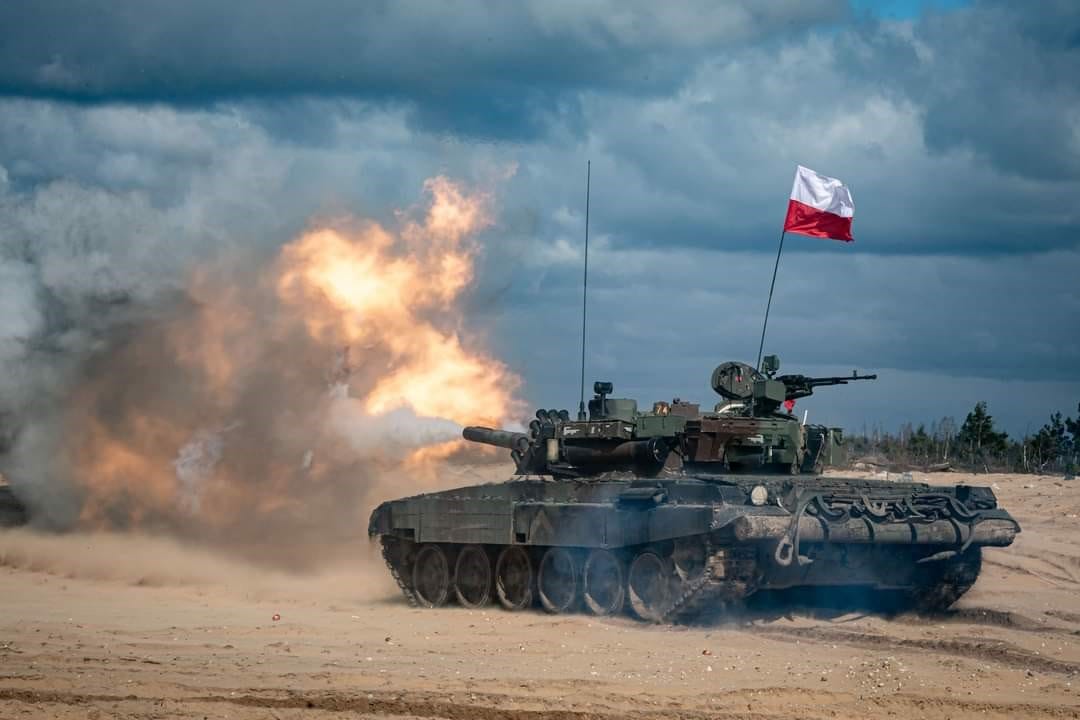
In light of the growing threat from Russia, NATO is recalibrating its military strategies to address these challenges effectively. The Alliance's eastern flank is witnessing intensified military activities, which serve both as a deterrent and a reassurance to member nations. This response underscores the urgency with which NATO is approaching the situation, reflecting a collective understanding of the necessity for readiness and resilience against potential aggression.
The implications of Russia’s actions extend beyond immediate military concerns, as they also affect the broader geopolitical landscape. NATO's response is not only a reaction to current threats but also a testament to the Alliance's commitment to maintaining stability in Europe. The urgent need for a cohesive strategy among NATO allies is evident as they navigate this complex security environment, ensuring they remain prepared for any escalation.
This situation raises questions about the long-term implications of NATO's presence in Eastern Europe and the potential for increased military cooperation among member states. Analysts will be watching how these developments shape future defense policies and alliances in response to Russia's ongoing military activities.
Sources: Defence24, Defence24.com, THE INTERNATIONAL AFFAIRS REVIEW, Atlantic Council, and Defense.info