Navigating Challenges: The U.S. Navy's Evolving Defense Strategies

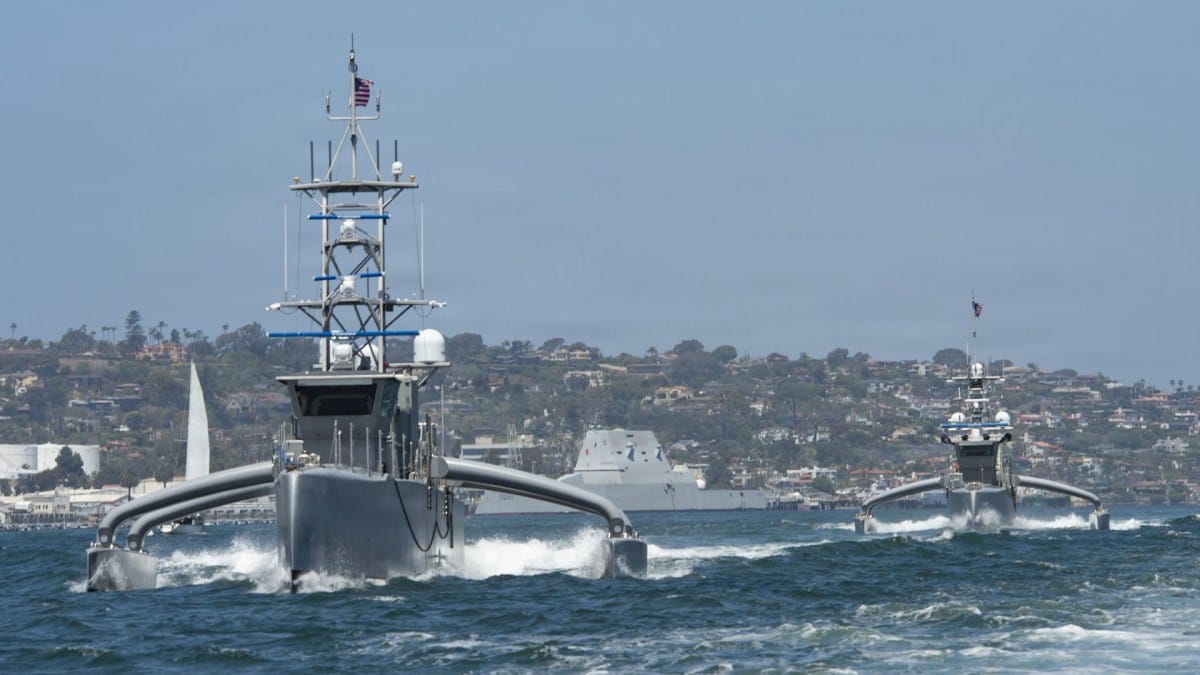
The U.S. Navy is facing a pivotal moment as it reassesses its strategic approach to uncrewed vessels and aircraft carriers. With challenges mounting in both sectors, the Navy is pivoting towards operational efficiency and fleet readiness, signaling significant shifts in defense priorities.
What Happened
Recent developments indicate that the Navy is moving away from extensive prototyping of uncrewed vessels. Instead, it aims to focus on deploying mature designs that can be operationalized quickly. This shift could see contractors take on a more active role in managing these drone ships, potentially expediting their integration into naval operations.
Simultaneously, the Navy is grappling with the state of its aircraft carrier fleet. One carrier suffered a fire incident, raising concerns about its operational reliability, while another has received a second extension on its service life. Moreover, the delivery of a third carrier has been delayed, compounding the challenges faced by the Navy in maintaining a robust carrier presence.
The Strategic Calculus
These developments reflect broader strategic needs within the Navy amid evolving global threats. The decision to expedite uncrewed vessel deployment indicates a recognition of the necessity for cost-effective and agile naval solutions. Key points shaping this strategy include:
- Operational Readiness: Focusing on mature technologies allows for quicker deployment in response to emerging threats.
- Resource Allocation: By reducing the time spent on prototyping, the Navy can reallocate funds to other critical areas, such as maintenance and upgrades for existing vessels.
- Industry Collaboration: Engaging contractors for operational duties can enhance innovation and efficiency in naval operations.
On the carrier side, the ongoing issues highlight the challenges of maintaining a legacy fleet while also aiming for modernization. The Navy's reliance on aging carriers raises questions about its capability to project power effectively in future conflicts.
What Comes Next
Looking ahead, the Navy's dual focus on uncrewed technologies and carrier readiness will be crucial in shaping its operational landscape. The successful integration of drone ships could provide the Navy with enhanced surveillance and strike capabilities, thereby improving overall mission effectiveness. However, the persistent issues with aircraft carriers must be addressed to avoid jeopardizing naval readiness.
As these strategies unfold, key considerations will include:
- How quickly the Navy can implement these changes without sacrificing operational integrity.
- The degree to which industry partners can innovate and support the Navy's evolving needs.
- The potential need for additional funding to support modernization efforts across the fleet.
Ultimately, the Navy’s ability to adapt to these challenges will not only determine its current operational capacity but also its long-term strategic posture in an increasingly complex global security environment.
Sources: Twz, U.S. Naval Institute, Simple Flying, Hudson Institute, and Small Wars Journal