Navy Adjusts Aircraft Carrier Plans to Maintain Operational Readiness

Strategic Implications of Current U.S. Navy Carrier Dynamics
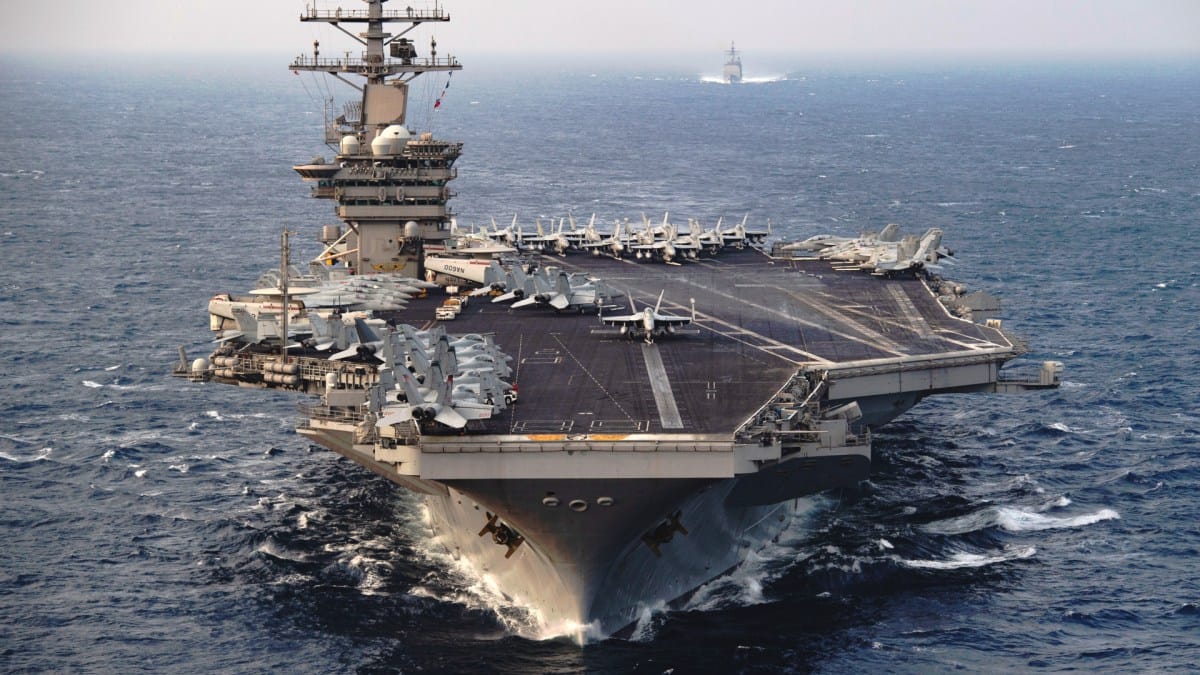
The present situation within the U.S. Navy highlights significant challenges associated with fleet sustainability amidst geopolitical tensions. Specifically, three aircraft carriers are experiencing noteworthy operational strain, exacerbated by conflict in the Middle East and increasing pressures in the Indo-Pacific region.
Carrier Challenges and Operational Readiness
Recent incidents involving the aircraft carriers illustrate the operational difficulties facing the Navy:
- USS Gerald R. Ford: On March 12, a fire erupted in the laundry compartment while the vessel was stationed in the Mediterranean, injuring two crew members. Initially assessed as minor, the damage necessitated an unscheduled detour to Souda Bay, Crete, for repairs, effectively sidelining the carrier from ongoing military engagements in Iran. Reports suggest extinguishing the fire took over 30 hours, during which approximately 600 sailors were forced to bunk in improvised accommodations, underscoring the extreme conditions aboard.
- USS Nimitz: The Navy confirmed a second service life extension for the aging Nimitz-class carrier now slated for decommissioning in March 2027. Initially expected to retire in April 2025, the vessel’s operational timeline has been adjusted as budgeting and logistical considerations demand its continued availability.
- USS Abraham Lincoln: Currently the sole carrier available, Lincoln is operating in a highly critical environment as military engagements extend into their eighteenth day with ambiguous resolution timelines.
This confluence of operational challenges not only raises concerns about individual vessel readiness but also reflects broader systemic issues within the Navy as escalating demands stretch operational capabilities.
Ripple Effects of Extended Deployments
The implications of extended carrier deployments yield substantial operational and maintenance challenges:
- Traditional carrier deployments typically last six to eight months, structured to maintain crew readiness and ship integrity. Prolonged engagements like that of the Ford, now on a 10-month mission, can inflict cumulative damage on both vessels and personnel.
- The USS Dwight D. Eisenhower serves as a relevant case study; its planned maintenance schedule has already extended by several months due to the burdens of prolonged deployment, further straining fleet availability and impacting command responsiveness in crisis situations.
Maintenance Delays and Their Consequences
The Ford requires refurbishments that will be postponed further due to its recent operational challenges. Extended deployments create a cascading failure in the maintenance pipeline, which can have the following operational ramifications:
- Readiness Deficiency: The lack of available carriers limits response options for theater commanders and disturbs strategic planning.
- Increased Stress on Personnel: Extended missions can lead to diminishing morale and performance among crew members, potentially affecting mission outcomes.
The challenges presented by the Ford have been met with understanding at the Pentagon, acknowledging that the prolonged deployment is nearing its operational limits.
Upcoming Deployments
In light of these issues, the USS George H.W. Bush is anticipated to step in and relieve the Ford following its repairs. The continuation of this operational dynamic highlights the strategic necessity of maintaining a robust and flexible carrier presence.
Future Considerations for Navy Readiness
The current state of the Ford, Nimitz, and Kennedy will have significant implications for U.S. maritime strategy:
- The Nimitz’s operational extension aligns with the delayed delivery of the second Ford-class carrier, the USS John F. Kennedy, now deferred until March 2027. This delay poses broader implications for naval fleet composition, as federal mandates stipulate maintaining a minimum of 11 operational carriers.
- The Kennedy’s preparations for service continue amidst its delayed delivery, yet it reflects the ongoing challenges of aligning carrier capabilities with emerging military operational needs.
Summary of Strategic Implications
The challenges associated with the current carrier dynamics do not exist in isolation but affect the Navy’s long-term strategic posture:
- Immediate readiness concerns must be addressed alongside planning for sustained operational capability amidst rising global tensions.
- The ongoing situation necessitates careful analysis from defense policymakers to mitigate risks associated with fleet sustainability and personnel readiness.
By understanding these factors, U.S. military leadership can better navigate the complexities of modern naval warfare and ensure that strategic objectives remain achievable despite ongoing challenges.