New Rule Exempts Airlines from Providing Compensation for Cyberattack Delays

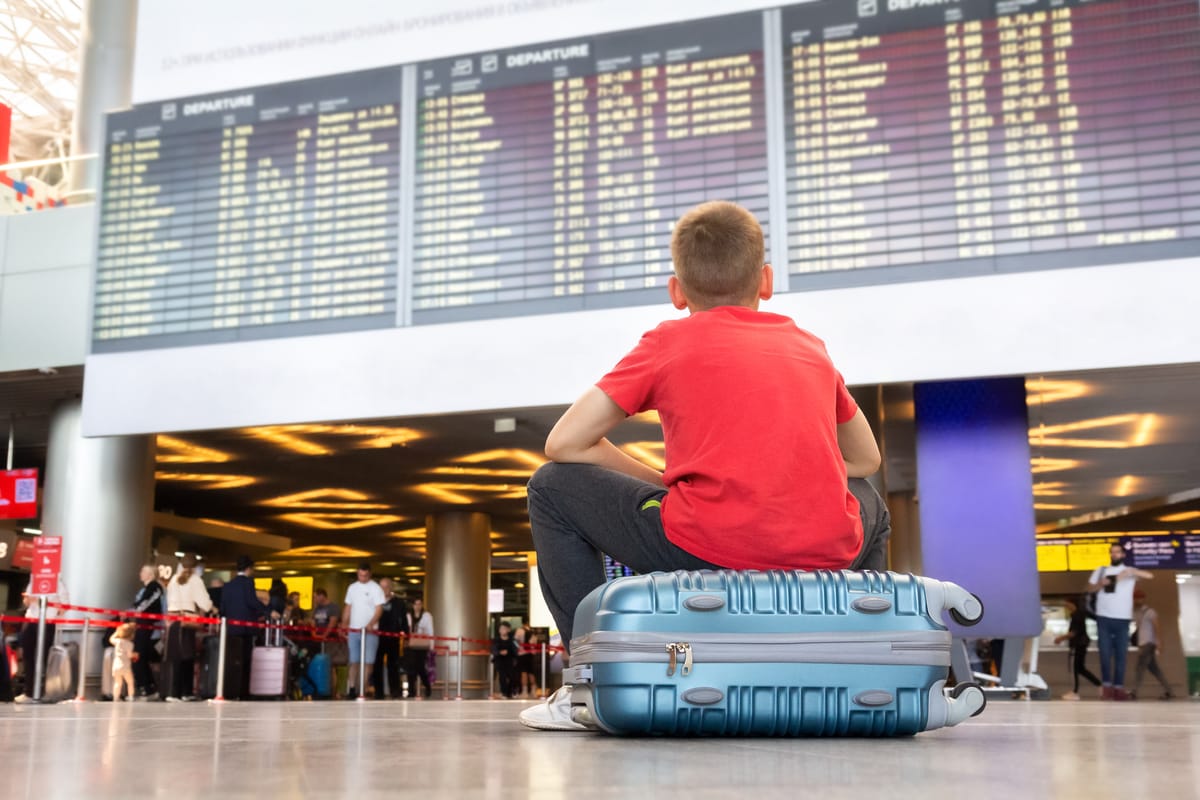
Cyberattack Disruptions No Longer Require Compensation
The U.S. Department of Transportation has enacted a new rule that eliminates the obligation for airlines to compensate passengers with meal and hotel vouchers in the event of flight disruptions caused by cyberattacks. This change comes as the frequency of cyber incidents affecting various sectors, including aviation, continues to rise.
This regulatory shift reflects a growing recognition within the government of the complexities surrounding cybersecurity. Airlines have increasingly faced challenges from cyber threats, leading to significant operational disruptions. By not requiring compensation for delays attributed to these attacks, the Department of Transportation aims to provide airlines with more flexibility in managing their responses to cyber incidents. However, this decision raises questions about passenger rights and the responsibilities of airlines in ensuring customer satisfaction during unforeseen events.
The implications of this rule are significant for both passengers and airlines. Passengers affected by cyber-related delays may find themselves without support for essential needs such as accommodations or meals, shifting the burden of such disruptions entirely onto them. For airlines, this change could potentially reduce financial liabilities during cyber incidents, allowing them to allocate resources towards enhancing their cybersecurity measures instead. However, it may also lead to increased dissatisfaction among travelers, impacting brand loyalty and public perception in an industry where customer service is critical.
Sources: Cyberscoop, Elliott Report, Simple Flying, and FTN news
Edited by Daniel Vazdar, Editor. How DEFCROS News reports, sources and corrects.