New Russian Aviation Division Emerges Amidst Organizational Restructuring

Overview of the New Division
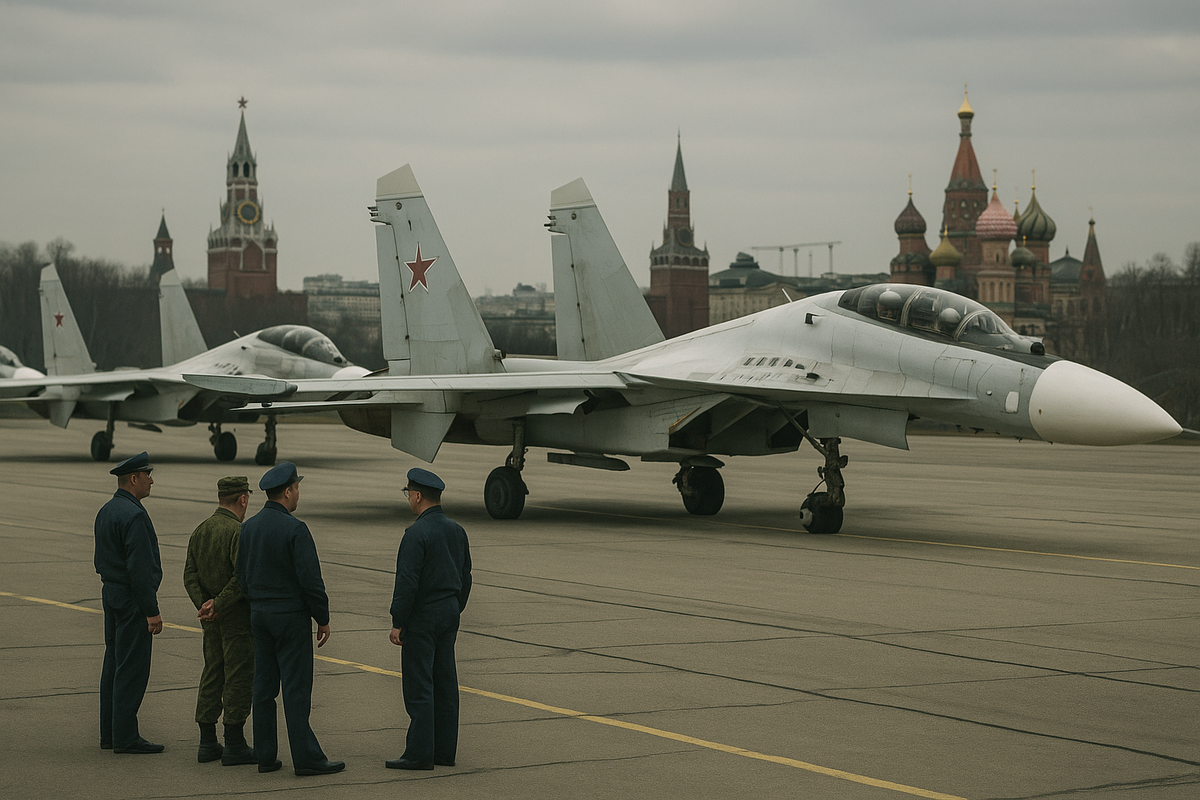
Moscow has recently established a new aviation division within its Armed Forces, a move characteristic of its historical approach to military organization. This restructuring mirrors past practices where existing units have been cannibalized to form new entities, illustrating a reliance on current resources rather than creating entirely new structures. This development signals a continued evolution of the Russian military's operational capabilities.
Context and Implications
The formation of this aviation division highlights a key aspect of Russian military strategy — the adaptation and reorganization of existing military frameworks. By repurposing existing units, the Russian Armed Forces can maintain operational continuity while enhancing their overall effectiveness. This approach is not new; it reflects a longstanding tradition within the Soviet Union and its successor state, demonstrating a pragmatic response to resource limitations and strategic necessities.
Moreover, the creation of new military structures in this manner raises questions about the Russian military's long-term strategic planning and readiness. Analysts will be observing how this division integrates into larger military operations and whether it signifies a shift in focus or capabilities within the Russian military architecture. The implications of such restructuring could affect regional military balances and influence international defense postures.
Understanding the dynamics of this new aviation division is essential for defense professionals monitoring Russian military developments. The reliance on existing resources to forge new operational units not only reflects internal military strategies but also impacts how Russia may engage with both allies and adversaries in future conflicts.
Sources: Defence24, Britannica, The Jamestown Foundation, CSIS | Center for Strategic and International Studies, and Critical Threats