New Screening Protocol for Marine Health Records Set to Begin in September

Implementation of Brain Function Evaluations
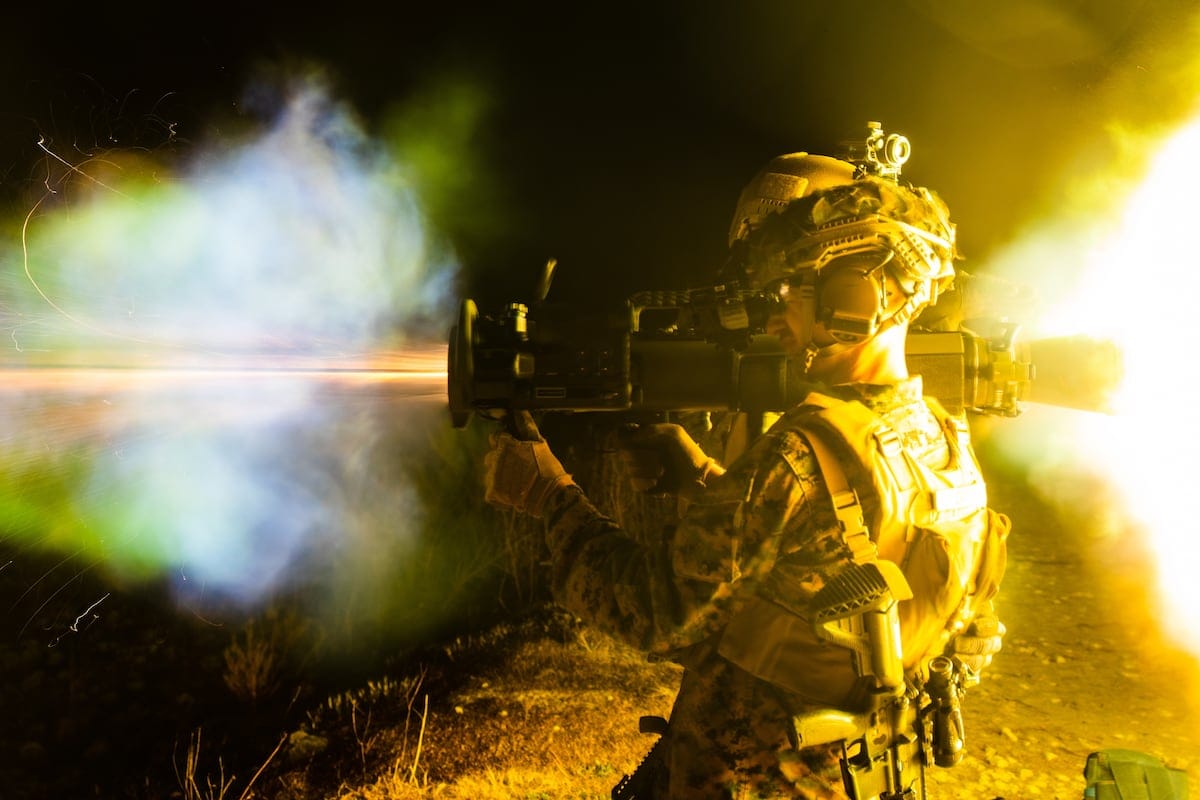
Starting September, the United States Marine Corps will introduce new screening procedures aimed at assessing blast exposure and overpressure during the Marines' periodic health assessments. This initiative, announced by a Pentagon official, marks a significant step in the military's efforts to monitor and enhance the health and well-being of its personnel, particularly in light of the challenges posed by exposure to combat-related incidents.
These screenings are designed to identify potential neurological impacts resulting from blast exposure, a common occurrence in modern military operations. By incorporating these evaluations into health records, the Marine Corps aims to establish a more comprehensive understanding of how such exposures affect brain function over time. This move reflects a growing recognition of the importance of mental health and cognitive resilience among service members, aligning with broader military health initiatives.
Why It Matters
The introduction of brain function evaluations is a crucial development for military health protocols. This raises the question of how effectively these screenings will be integrated into existing health assessments and what the long-term implications may be for treatment and rehabilitation. The data gathered from these evaluations could potentially lead to improved healthcare strategies and support systems for Marines, addressing both immediate and chronic health issues related to combat exposure. Analysts will be watching the outcomes of this initiative closely, as it may set a precedent for similar practices across other branches of the military.
Sources: Defensenews, Marine Corps Times, AL.com, Health.mil, and navy.mil