Nordic-Baltic Eight Reinforces Support for Ukraine's NATO Aspirations

Strengthening Partnerships in Eastern Europe
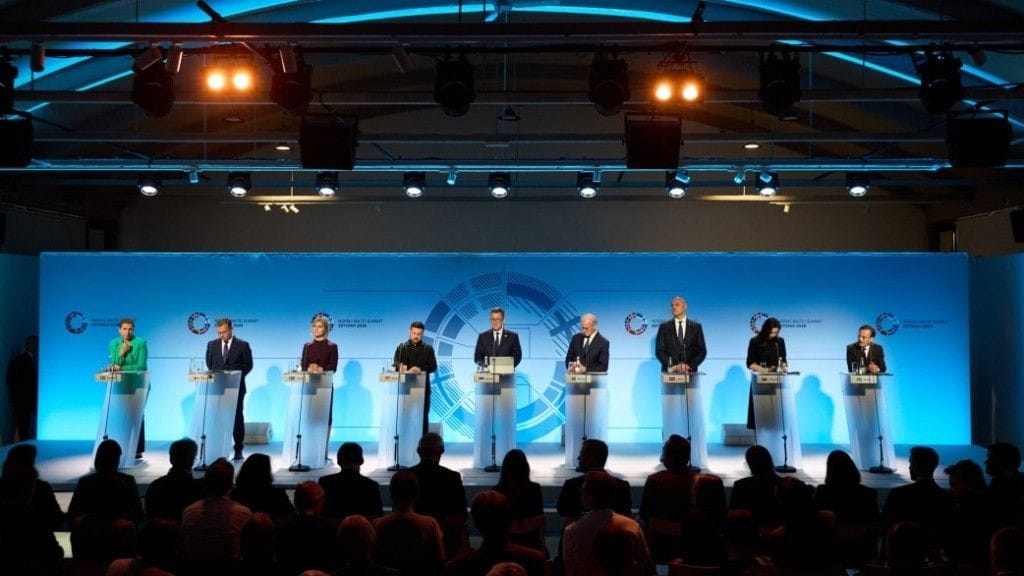
During the recent Tallinn summit, the Nordic-Baltic Eight (NB8) demonstrated its evolution from a regional consultation format to a significant political entity advocating for Ukraine's integration into NATO. This summit, attended by leaders from Nordic and Baltic states, reaffirmed a consistent message that has been voiced over the past four years: Ukraine is regarded as a vital partner for these nations in their collective security strategy against potential Russian aggression.
The NB8's stance reflects a growing consensus among its members regarding the necessity of supporting Ukraine amidst ongoing tensions with Russia. This regional coalition, which includes countries like Estonia, Latvia, Lithuania, Denmark, Finland, Iceland, Norway, and Sweden, is becoming increasingly influential in shaping European security discussions. By actively promoting Ukraine's NATO path, the NB8 is not only enhancing bilateral relations but also contributing to a unified front in the face of shared security challenges in the northeastern flank of NATO.
Implications for Regional Security
This reinforced commitment to Ukraine's NATO aspirations underscores the strategic importance of the Nordic-Baltic region in European defense policy. As the NB8 continues to advocate for Ukraine, it raises questions about the future dynamics of NATO expansion and the potential for increased military cooperation among member states. Furthermore, this shift indicates a clear recognition of the need for a cohesive response to Russian actions in the region, which could lead to greater military readiness and joint exercises among NATO allies.
Why this matters is evident as the geopolitical landscape evolves. The active support from the NB8 could encourage other NATO members to reassess their positions regarding Ukraine's membership, potentially accelerating its integration process. Analysts will be monitoring how this collaboration influences NATO's strategic posture and deterrence capabilities in Eastern Europe, particularly as tensions with Russia continue to rise.
Sources: Defence24, TVP World, Estonian World, Defence24.com, and Rubryka