
Northrop Grumman’s In-Space Servicing Satellites Deployed for Life-Extension Missions

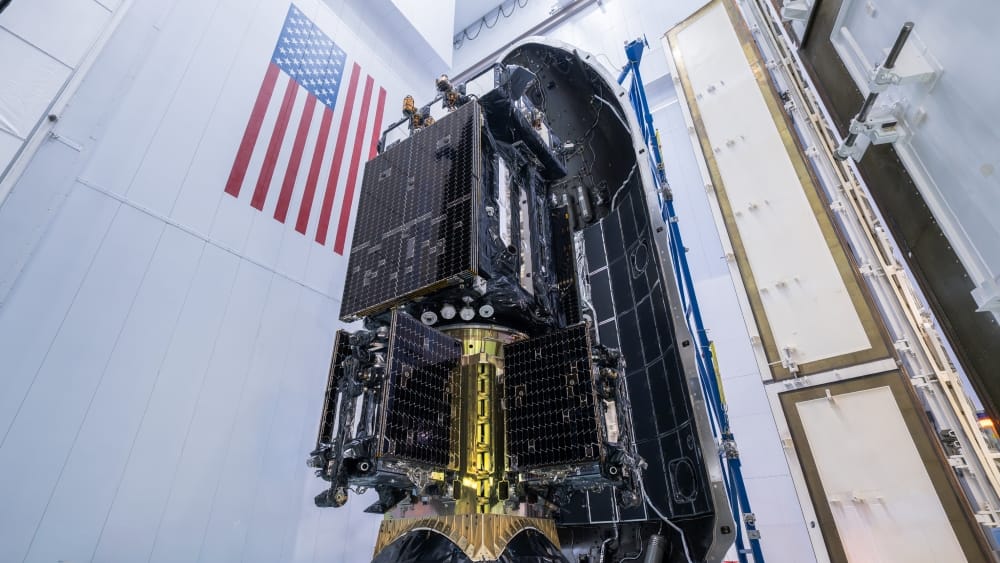
Launch Overview
On January 20, 2025, Northrop Grumman successfully launched its innovative Mission Robotic Vehicle (MRV) alongside three "jetpack" pods into orbit aboard a SpaceX Falcon 9 rocket. This mission marks a significant advancement in in-space servicing technology aimed at extending the operational life of satellites.
Context and Analysis
The deployment of the MRV and its accompanying pods is a strategic move by Northrop Grumman to enhance satellite sustainability and reduce space debris. The MRV is designed to perform various functions, including satellite servicing, repair, and upgrades. This capability is increasingly critical as the demand for satellite services continues to grow amidst rising concerns over the longevity and reliability of existing space assets. The integration of "jetpack" pods allows for more agile maneuvering and servicing capabilities, which can be pivotal in a congested orbital environment.
As space becomes an increasingly contested domain, the ability to maintain and extend the life of satellites could provide a significant tactical advantage. Northrop Grumman's initiative reflects a broader trend among defense contractors to invest in technologies that support sustainable space operations. This is particularly relevant given the increasing threats posed by anti-satellite weapons and the need for resilient space architectures.
Why it matters
The implications of this launch extend beyond immediate operational capabilities. Analysts will be watching how the MRV and its technology can influence military and civilian satellite operations, potentially leading to new doctrines surrounding space asset management. The success of this mission could encourage further investment in similar technologies, shaping the future of space logistics and defense strategies in an environment where satellite reliability is paramount.
Sources: Defensescoop, Northrop Grumman, Thomasnet, and Via Satellite