Ongoing Instability in Libya: The Legacy of Gaddafi's Fall

Current Situation in Libya
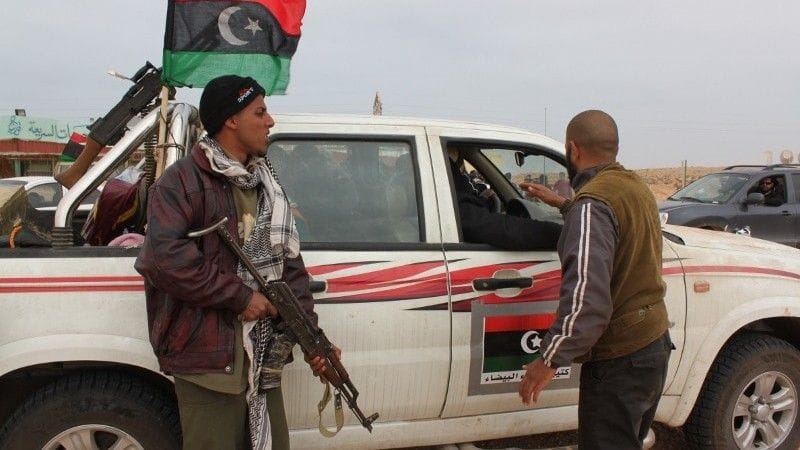
More than a decade after the fall of Muammar Gaddafi, Libya remains entrenched in a state of division and chaos. The country is presently governed by two rival administrations, with various foreign military forces actively involved in the conflict. This fragmentation creates a complex landscape where a war economy flourishes, making peace a structurally unprofitable venture for those in power.
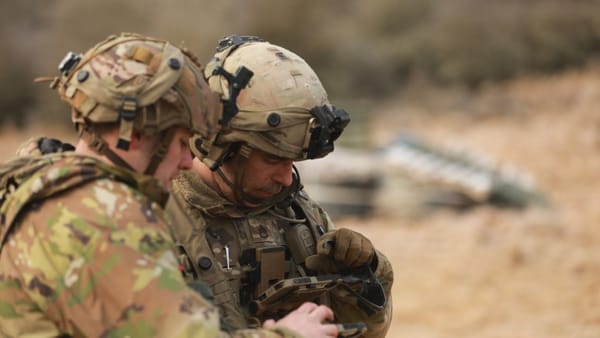
The ongoing rivalry between the two governments indicates deep-rooted issues that prevent the establishment of a unified state. The presence of foreign armies further complicates the situation, as external actors often pursue their own interests, which can diverge significantly from the needs of the Libyan people. This multifaceted conflict has led to a situation where violence and instability are seen as more beneficial than the pursuit of peace, as key players in the conflict have a vested interest in maintaining the status quo.
Implications for Regional Security
As the situation in Libya continues to deteriorate, the implications for regional security are profound. The absence of a cohesive government and the presence of multiple foreign military forces create a vacuum that can lead to increased extremism and the potential for spillover effects into neighboring countries. This raises the question of how the international community will respond to these ongoing challenges, particularly in terms of intervention strategies and diplomatic efforts to foster a sustainable peace process.
With the current dynamics, analysts will be watching closely to see if any shifts occur that might encourage a collaborative approach among the rival factions. The implication is that without significant changes, Libya is likely to remain a flashpoint for instability in North Africa.
Sources: Defence24, Africa Is a Country, Modern Ghana, Vision of Humanity, and The Fletcher Forum of World Affairs