Pakistan Air Force Acquires Chinese HQ-17AE Missile System Amid Regional Changes

The landscape of air defense systems is evolving rapidly, with significant developments emerging from various countries. The Pakistan Air Force has recently showcased its acquisition of the Chinese HQ-17AE mobile short-range surface-to-air missile system, adding a notable asset to its arsenal in the face of regional tensions.
Pakistan's New Defense Asset
The HQ-17AE system is designed to enhance Pakistan's capabilities against aerial threats. Key features of the system include:
- Range of 15 kilometers
- Capability to engage up to 4 targets simultaneously
- Integration with Turkish Korkut guns for improved defense
This acquisition not only strengthens Pakistan's air defense but also aligns with its ongoing military cooperation with China.
U.S. Air Force's Shift in Defense Strategy
Simultaneously, the U.S. Air Force is pivoting towards a more robust air defense strategy. It is actively seeking a deployable medium-caliber gun system specifically aimed at defending air bases against drone and cruise missile threats. This shift is part of a broader layered air defense network aimed at countering evolving aerial threats.
Key aspects of this initiative include:
- Focus on countering drone threats
- Integration within a comprehensive air defense network
As the reliance on drones increases globally, this move signifies a proactive approach to safeguarding U.S. installations.
Global Air Defense Trends
In Europe, Ukraine has unveiled the British RapidRanger air defense system mounted on a Spanish URO VAMTAC 4×4 armored vehicle. This system includes LMM Martlet missiles, enhancing Ukraine's defenses against Russian drone incursions. The integration of advanced systems from international partners illustrates a collective response to regional threats.
In Asia, India is considering the acquisition of Russia's S-500 air defense missile system as it aims to bolster its defenses against potential Chinese missile threats. This consideration comes amid deepening strategic military ties with the United States, reflecting shifting alliances and defense priorities in the region.
Furthermore, the U.S. Department of War has secured seven-year deals to:
- Triple the production of PAC-3 MSE interceptors
- Quadruple the production of THAAD interceptors
These increases aim to strengthen the U.S. missile defense stockpile in response to emerging global threats.
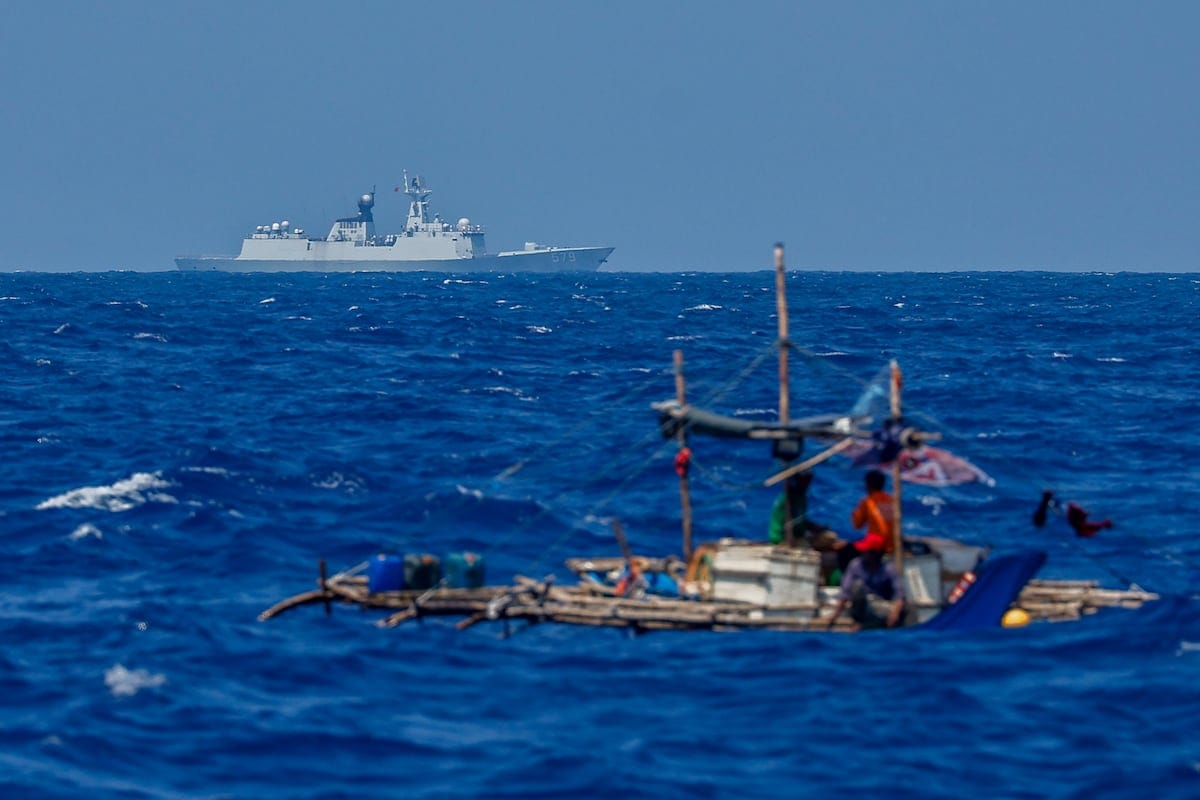
Adding to the regional concerns, China has introduced a new guided-missile frigate, which is designed for both coastal and open-sea operations. This development has raised alarms in Japan, Taiwan, and the United States, highlighting the broader implications of naval capabilities on regional stability.
As nations adapt to the changing dynamics of air and naval defense, the implications for strategic military planning and international cooperation are profound.
Sources: Armyrecognition, Defensenews, Global Times, Defensemirror.com, defencesecurityasia.com, and quwa.org
Edited by Daniel Vazdar, Editor. How DEFCROS News reports, sources and corrects.