Patria's Expanding Role in the CAVS Program: Implications for Lithuania and Norway

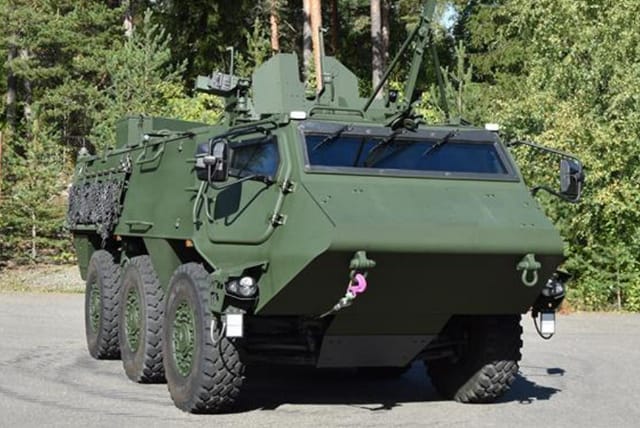
Patria is solidifying its position in the defense landscape of Northern Europe with recent developments in the Common Armored Vehicle System (CAVS) program. Lithuania is preparing to acquire modern 6×6 armored personnel carriers, while Norway has moved forward with a framework agreement to procure these vehicles from the Finnish defense contractor. These actions underscore the growing interest and investment in armored capabilities among European nations.
What happened
In a significant step towards enhancing its military capabilities, Lithuania is looking to participate in the CAVS program by acquiring advanced 6×6 armored personnel carriers. This acquisition positions Lithuania to modernize its defense infrastructure and align more closely with NATO standards.
Meanwhile, Norway has formalized its commitment to the CAVS program by signing a framework agreement with Patria. This agreement allows Norway to begin serial procurement of the armored vehicles, further indicating a strategic shift towards bolstering national security through upgraded military assets.
The strategic calculus
The decisions made by Lithuania and Norway reflect a broader strategic calculus in response to regional security dynamics. The CAVS program aims to provide versatile, mobile, and survivable armored vehicles that can be adapted to various operational needs. The current geopolitical climate, marked by increased military activity and potential threats in the Baltic region, has heightened the urgency for nations like Lithuania and Norway to strengthen their defensive postures.
- Lithuania's focus: The acquisition of modern armored personnel carriers is crucial for enhancing troop mobility and protection.
- Norway's procurement initiative: The serial procurement signifies a long-term investment in military readiness and interoperability with allied forces.
Industry fallout
The involvement of Patria in both Lithuania and Norway’s military upgrades emphasizes the company’s growing influence in the defense sector. As these nations modernize their fleets, Patria stands to benefit from increased orders and potential future collaborations. This trend raises questions about the competitive landscape in the European defense market.
Furthermore, the emphasis on armored vehicle capabilities may prompt other nations in the region to reevaluate their own defense strategies and procurement plans. As security concerns escalate, the demand for reliable and modern military equipment is likely to increase, influencing procurement decisions across Europe.
In summary, Lithuania's plans for 6×6 armored personnel carriers and Norway's serial procurement agreement with Patria illustrate a concerted effort among European nations to enhance military readiness. The implications of these developments extend beyond immediate defense needs, potentially reshaping the regional security architecture and defense industry dynamics.
Sources: Edrmagazine, Thedefensepost, patriagroup.com, Escudo Digital, Defence Industry Europe, and Defense Express