Pentagon Requests Contractor for HAWK Missile Sustainment as Japan Eyes Australian Test Ranges

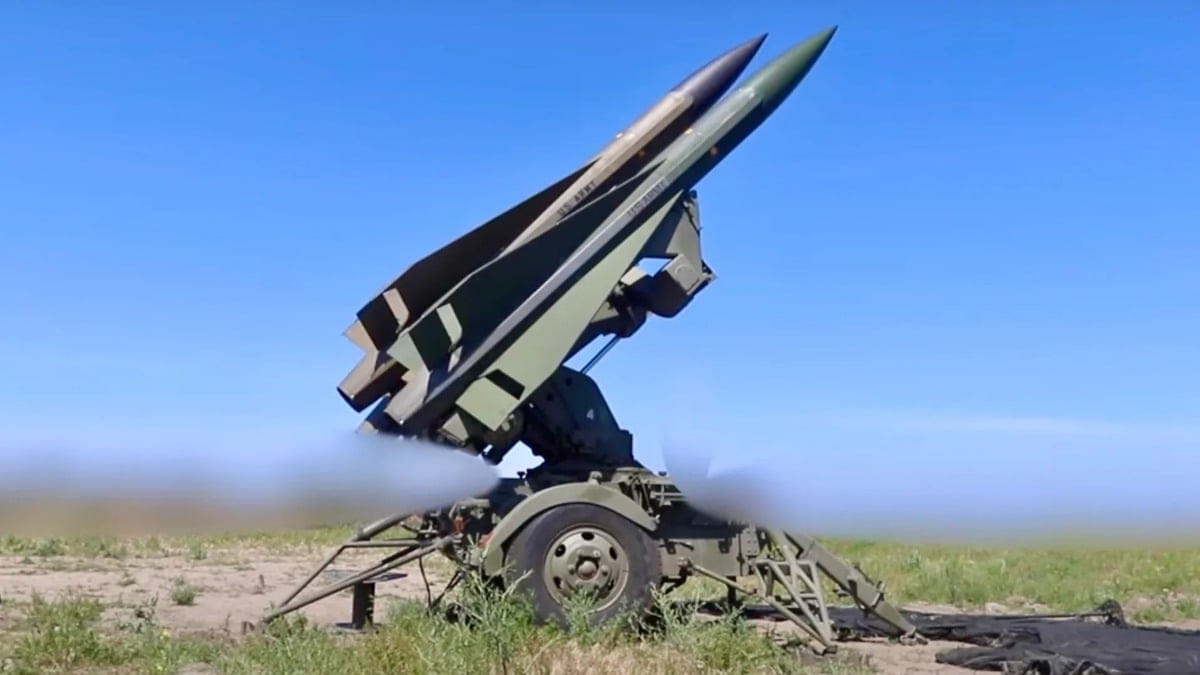
The U.S. Army is actively seeking contractors to sustain the HAWK missile system, a move that underscores ongoing efforts to maintain and enhance critical defense systems. This request for information, issued by the U.S. Army Contracting Command at Redstone Arsenal, is part of a broader strategy to ensure that the HAWK missile system remains operational and effective.
HAWK Missile System Sustainment
The request for information indicates that the Army is exploring options for total system sustainment without committing to any specific contract at this stage. This initiative may include:
- Logistical support
- Maintenance and repair services
- Training for personnel
Given the age of the HAWK system, which has been in service for decades, robust sustainment solutions are essential to extend its operational life and effectiveness.
Japan-Australia Defense Collaboration
In a separate but equally significant development, Japan and Australia have agreed to initiate discussions that would allow Japan's Self-Defense Forces to use Australian test ranges for long-range missile testing. This agreement, reported by Nikkei, marks a critical step as Japan enhances its "counterstrike" capability amid evolving regional security dynamics.
Key points from the joint press conference in Canberra include:
- Strengthening defense cooperation between Japan and Australia
- Facilitating long-range missile testing to bolster Japan's defense posture
- Enhancing interoperability between the two nations' military forces
As both nations work to address shared security concerns, this partnership signifies a commitment to mutual defense and stability in the region.
These two developments, while distinct, reflect a broader trend of nations reassessing their defense capabilities and enhancing partnerships to meet contemporary challenges. The Pentagon's focus on sustaining legacy systems like the HAWK missile and Japan's proactive steps in missile testing collaboration highlight the dynamic nature of global security apparatuses.
Sources: Defence-Blog, Hudson Institute, Defense News, The Japan Times, and World Socialist Web Site
Edited by Daniel Vazdar, Editor. How DEFCROS News reports, sources and corrects.