Pentagon Research Infrastructure Faces Significant Challenges

Overview of Current Challenges
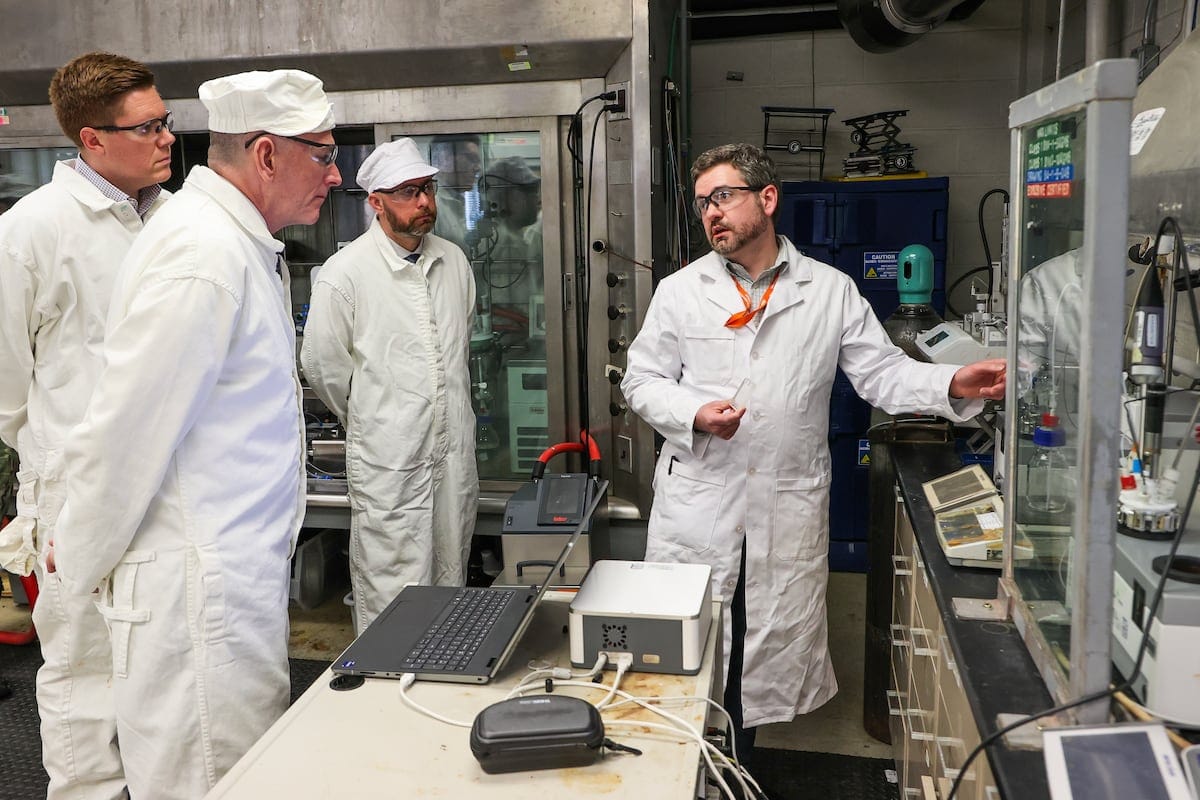
The Pentagon's research infrastructure is experiencing critical deterioration, according to a recent study. This decline is attributed to several factors, including backlogged security clearances, inadequate funding for the construction or refurbishment of laboratories, and a slow and cumbersome hiring process. These issues are hindering the Department of Defense's ability to innovate and maintain a technological edge.
Implications for National Security
The challenges facing the Pentagon's research capabilities are significant, particularly in an era where technological advancement is paramount for national security. The backlogged security clearances delay the vetting of personnel, which can stifle research progress and limit the influx of new talent into defense-related projects. Furthermore, the lack of funds to build or refurbish necessary facilities underscores a broader issue of resource allocation within the defense budget, potentially impacting the development of critical technologies.
Additionally, the slow hiring process may lead to talent shortages in key areas of defense research, which could impede the United States' ability to respond to emerging threats effectively. As adversaries invest in advanced technologies, maintaining a robust research and development infrastructure becomes increasingly essential.
Why It Matters
The implications of a deteriorating research infrastructure are profound. Analysts will be watching how these challenges influence the Pentagon's strategic initiatives and overall capability to innovate. Addressing these issues may require a reevaluation of funding priorities and hiring practices. If left unaddressed, the current situation could lead to a significant gap in the United States' technological capabilities relative to its adversaries, undermining national security in the long term.
Sources: Defensenews, Yahoo, Clearance Jobs, ProPublica, and Startup Fortune