Pentagon Tests Drone Detection Air Traffic System Across U.S. Military Bases

Advancements in UAS Integration: The Collaborative Low-Altitude System
Introduction to CLUE
The U.S. Air Force Research Laboratory (AFRL) is making significant strides in uncrewed aircraft systems (UAS) integration, particularly with its innovative project, the Collaborative Low-Altitude Uncrewed Aircraft System Integration Effort (CLUE). This system aims to streamline air traffic management at military installations, potentially laying the groundwork for similar implementations at bases globally in the future.
Innovative Technology for Enhanced Situational Awareness
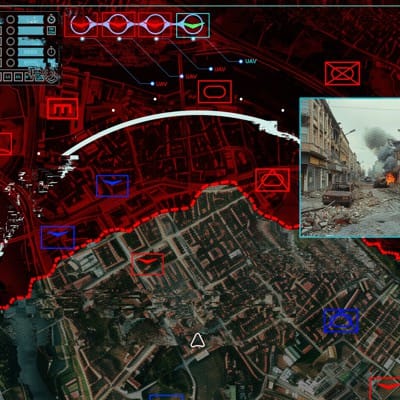
CLUE is designed to amalgamate data from a variety of sources, including radar, counter-UAS technologies, and other sensor systems. This integrated approach creates a comprehensive operational picture that significantly benefits air traffic controllers, security personnel, and UAS operators.
John Sawyer, an analyst with the Office of the Under Secretary of Defense for Acquisition and Sustainment, noted the system’s transformative potential:
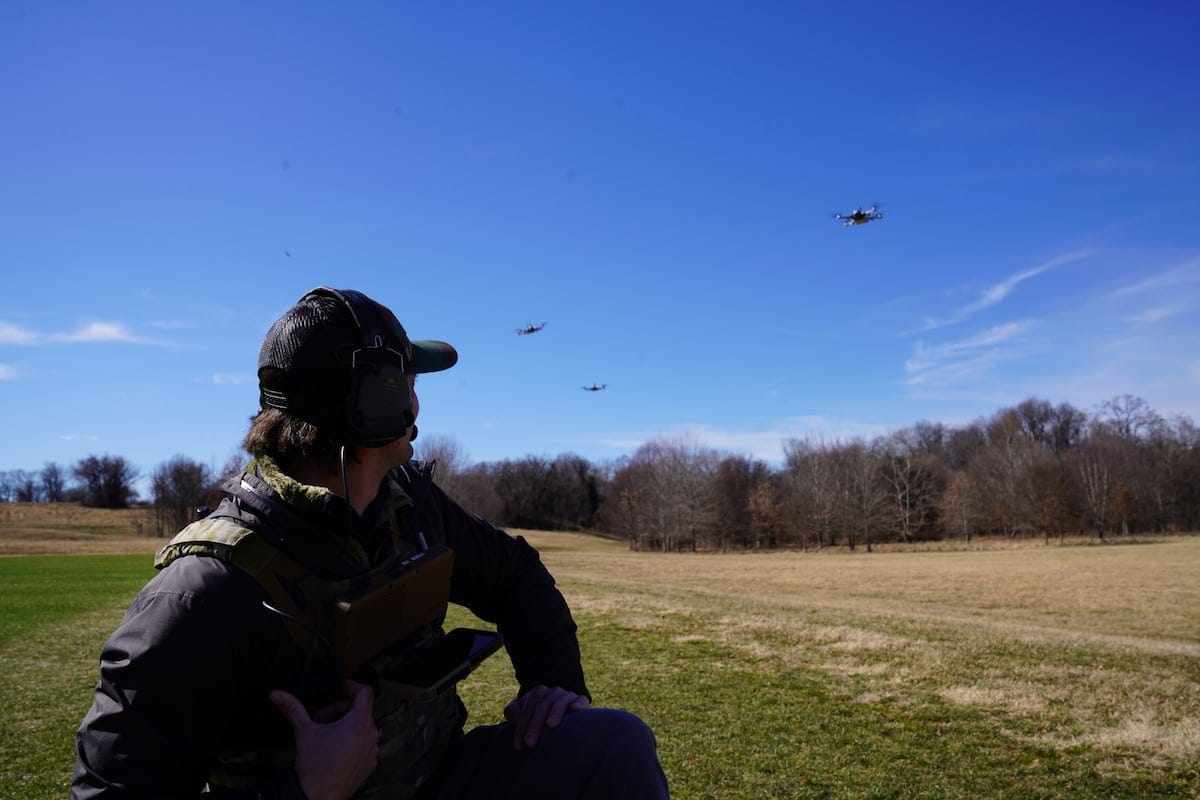
- “Not only are security teams informed by their counter-UAS systems, but they also gain visibility into the drone activities monitored by air traffic controllers. This complete situational awareness simplifies integration efforts,” articulated Sawyer during a recent drone test event in Fairbanks, Alaska.
Challenges of Coexisting Air Traffic
Managing both manned aircraft and UAS in shared airspace presents a complex challenge for military and civilian air traffic officials alike. The Department of Defense (DoD) oversees approximately 20% of air traffic control services across the United States. Therefore, addressing these integration issues is critical as the DoD seeks to expand its UAS fleet while ensuring the security of personnel and installations from aerial threats.
Development and Testing Phases
Initiated in 2016 at the AFRL’s information directorate in Rome, New York, the CLUE system has undergone various testing phases. Initial evaluations took place at MacDill Air Force Base in Florida in 2022, followed by further integrations with multiple UAS platforms. During these demonstrations, CLUE effectively delivered visual aids for deconflicting air traffic, identifying UAS, and ensuring compliance with Federal Aviation Administration (FAA) regulations.
Future Prospects for CLUE Adoption
Sawyer emphasized that the outcomes from the testing phase indicate strong promise, leading to plans for deploying CLUE at Ramstein Air Force Base in Germany later this year. The Pentagon is on the verge of formalizing a requirement for the system, which would catalyze the process for acquisition and deployment across DoD locations.
- “I anticipate that within the next month, senior leadership will affirm the necessity of this ecosystem, categorized as an operational requirement essential for effective mission integration at installations,” Sawyer commented.
Collaborative Efforts and Regulatory Progress
Broader collaboration between the FAA and the DoD is fostering advancements in harmonizing manned and unmanned air operations. One notable initiative is the upcoming FAA regulation, Part 108, which aims to simplify the operational framework for drone activities. This regulation is expected to allow agencies and organizations to operate drones beyond the visual line of sight with fewer restrictions, mitigating the dependency on continuous waivers.
- “This development could substantially facilitate beyond-visual-line-of-sight operations, fundamentally reinforcing unmanned traffic management,” stated Sawyer.
Conclusion
As military operations continue to evolve with technological advancements, systems like CLUE exemplify the strategic integration of uncrewed aircraft within air traffic frameworks. The collaborative efforts between defense and regulatory bodies signify a commitment to operational excellence and safety in U.S. airspace, paving the way for future innovations in UAS utilization.
Courtney Albon, a seasoned reporter at C4ISRNET, provides insights into these advancements, focusing on the implications for U.S. military architecture and the broader landscape of aerial operations. Her expertise underscores the significance of addressing these intricate challenges through informed policy and technological innovation.