Pentagon Unveils Ambitious Procurement Strategy for Low-Cost Missiles

Overview of Procurement Plans
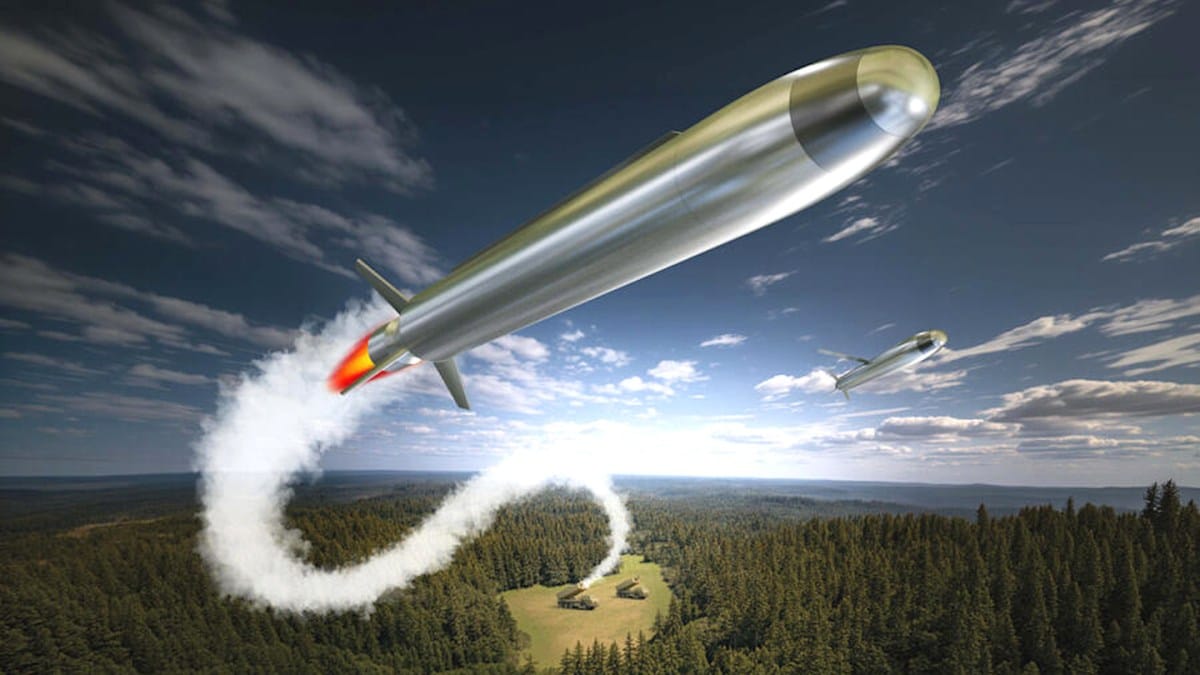
The Pentagon has outlined an extensive procurement plan aimed at enhancing the U.S. military's munitions inventories, which includes the acquisition of 10,000 low-cost cruise missiles over the next three years. In addition to this significant investment, the military plans to purchase 12,000 'cheap' hypersonic missiles, reflecting a strategic shift to increase operational readiness and capabilities in a rapidly evolving global security landscape.
Strategic Context and Implications
This procurement initiative comes at a time when the defense sector is under pressure to modernize and replenish its arsenal in response to emerging threats. The push for low-cost, high-volume munitions is indicative of a broader trend towards affordability and efficiency in military spending. By focusing on cheaper alternatives, the Pentagon aims to ensure that the U.S. maintains a competitive edge against adversaries who are also expanding their missile capabilities.
Furthermore, this strategy could signal a shift in military doctrine, emphasizing rapid deployment and mass engagement rather than relying solely on high-cost, precision-guided munitions. Analysts will be observing how this approach impacts not only the defense budget but also operational tactics in potential conflict scenarios.
Why It Matters
The implications of this procurement strategy are far-reaching. By investing in a large quantity of low-cost missiles, the U.S. military may enhance its deterrence posture while simultaneously adapting to the current geopolitical climate, which demands agility and responsiveness. This initiative raises questions about the balance between cost, effectiveness, and technological advancement in future military engagements, making it a critical development for defense professionals to monitor closely.
Sources: Twz, The War Zone, Interesting Engineering, Defense Security Monitor, and MSN