Putin's Proposed Timeline for Ending the War in Ukraine

War in Ukraine: A Potential Shift in Dynamics
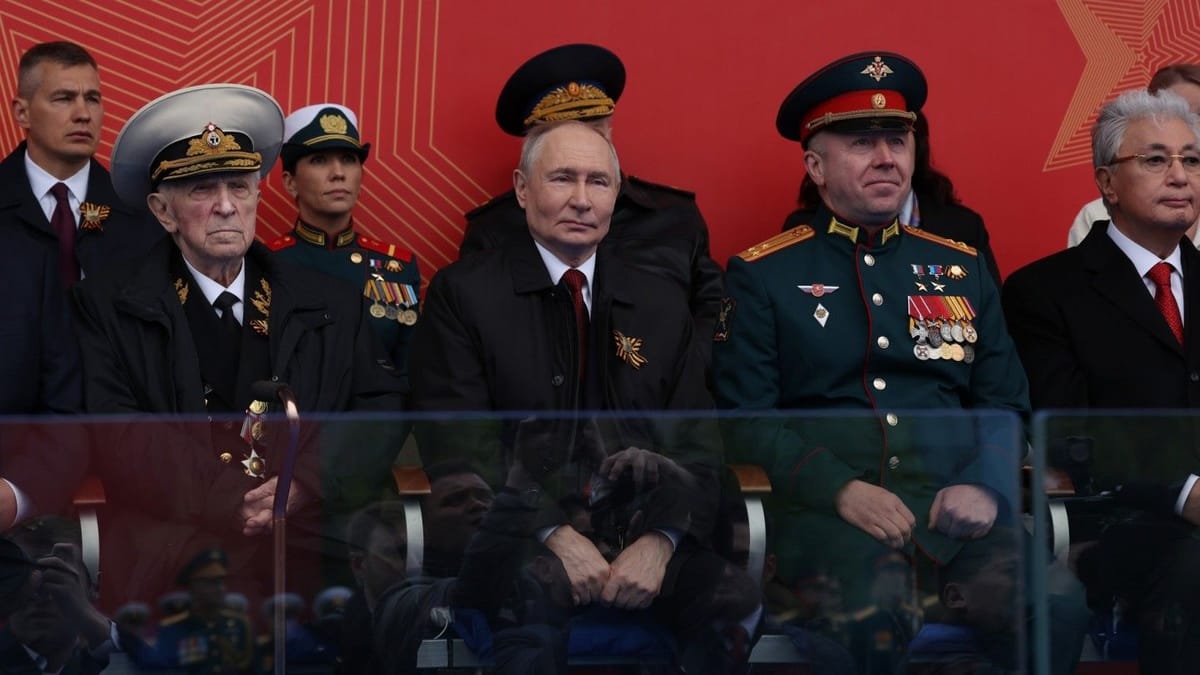
Recent reports indicate that Russian President Vladimir Putin has expressed a desire to conclude the ongoing conflict in Ukraine by the end of this year. However, this resolution is contingent upon conditions that would allow Russia to emerge as the victor, fundamentally shaping the outcome of the war in a manner favorable to Moscow.
This announcement raises questions about the specific terms Putin envisions. The Kremlin's insistence on a victory narrative suggests a strategic calculation aimed at consolidating Russia's position both domestically and internationally. Analysts note that any ceasefire or peace agreement that does not address these terms could lead to further escalation rather than resolution, as Russia may seek to leverage any temporary pause to regroup and reassert its military objectives.
This situation highlights the complexities of diplomatic negotiations in the context of the war, where both sides may have vastly different definitions of "victory." The implications of Putin's conditions extend beyond Ukraine, potentially affecting regional stability and the responses of NATO and Western allies, who continue to support Ukraine's sovereignty. Understanding the motives behind Putin's timeline is critical for defense professionals as they assess future military and geopolitical strategies. The prospect of a resolution on Russia's terms could embolden further aggressive actions in Eastern Europe, prompting a reevaluation of defense postures among NATO member states. This raises the question of how Western nations will respond to potential changes in the battlefield dynamics as the year progresses.
Sources: Defence24, Al Jazeera, CNBC, Comment is Freed, and Atlantic Council