Recent Defense Procurements Highlight Growing Military Needs in Europe and the Middle East

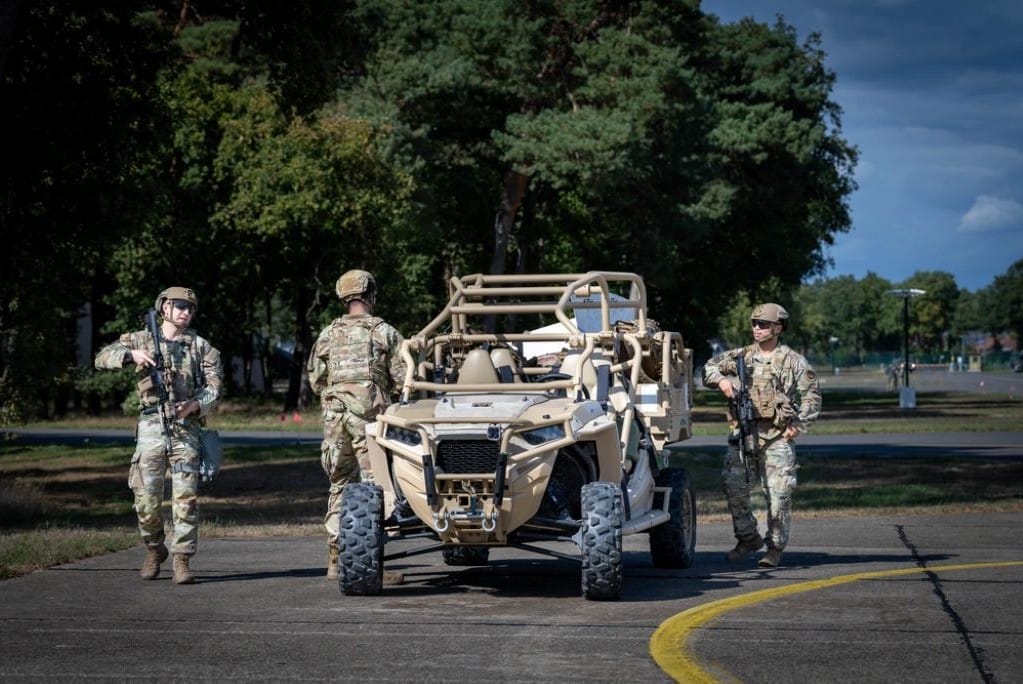
Recent defense procurement actions by Belgium and Kuwait illustrate a significant trend in military modernization and capability enhancement within NATO and regional forces. Belgium has placed its first order of Polaris MRZR D tactical off-road vehicles, while Kuwait has procured Rheinmetall’s Multi Ammunition Softkill Systems (MASS) for its Naval Forces. These orders reflect a response to evolving security challenges and an emphasis on enhancing operational readiness.
What happened
On July 13, 2026, Polaris Government and Defense announced that it secured a contract through NATO for the delivery of MRZR D vehicles to the Belgian military. These tactical off-road vehicles are designed for rapid mobility and versatility in various terrains, catering to the needs of modern military operations.
Simultaneously, Rheinmetall confirmed its supply of the MASS decoy launchers to the Kuwaiti Naval Forces. This marks a significant addition to Kuwait’s naval capabilities, enhancing its defense against missile threats. The MASS system is recognized for its effectiveness and has been battle-tested, contributing to Kuwait’s strategic military enhancements.
The strategic calculus
The decisions by Belgium and Kuwait to invest in advanced military technologies underscore a broader strategic imperative among nations to bolster their defense capabilities. Key factors influencing these procurements include:
- Heightened regional tensions and the need for improved deterrence.
- The emphasis on joint operations and interoperability within NATO and allied forces.
- The integration of advanced technology to counter emerging threats.
As NATO continues to adapt to changing global security dynamics, such procurements are likely to become more common, as nations seek to modernize their forces and improve readiness.
Industry fallout
These orders are significant not just for the procuring nations, but also for the defense contractors involved. Polaris and Rheinmetall stand to gain from these contracts, potentially leading to increased production and further orders as countries assess their military needs. This trend may stimulate competition among defense manufacturers, encouraging innovation and improvements in military technologies.
The implication is that as more nations prioritize defense spending and modernization, companies in the defense sector may see an uptick in demand for advanced military systems. Analysts will be watching how these developments influence future procurement strategies among NATO allies and partners, as well as the overall landscape of global defense spending.
Sources: Edrmagazine, Defense Express, The Defense Post, AeroTime, and Defence Industry Europe