Regional Escalations: New Developments in Anti-Tank and Tactical Missile Technologies

Recent military developments across Asia highlight an intensifying arms race, marked by significant advancements in missile technology and anti-armor capabilities. The People's Liberation Army (PLA) of China, North Korea's tactical missile innovations, and India's enhanced drone warfare capabilities all signal strategic shifts that could alter the regional balance of power.
What Happened
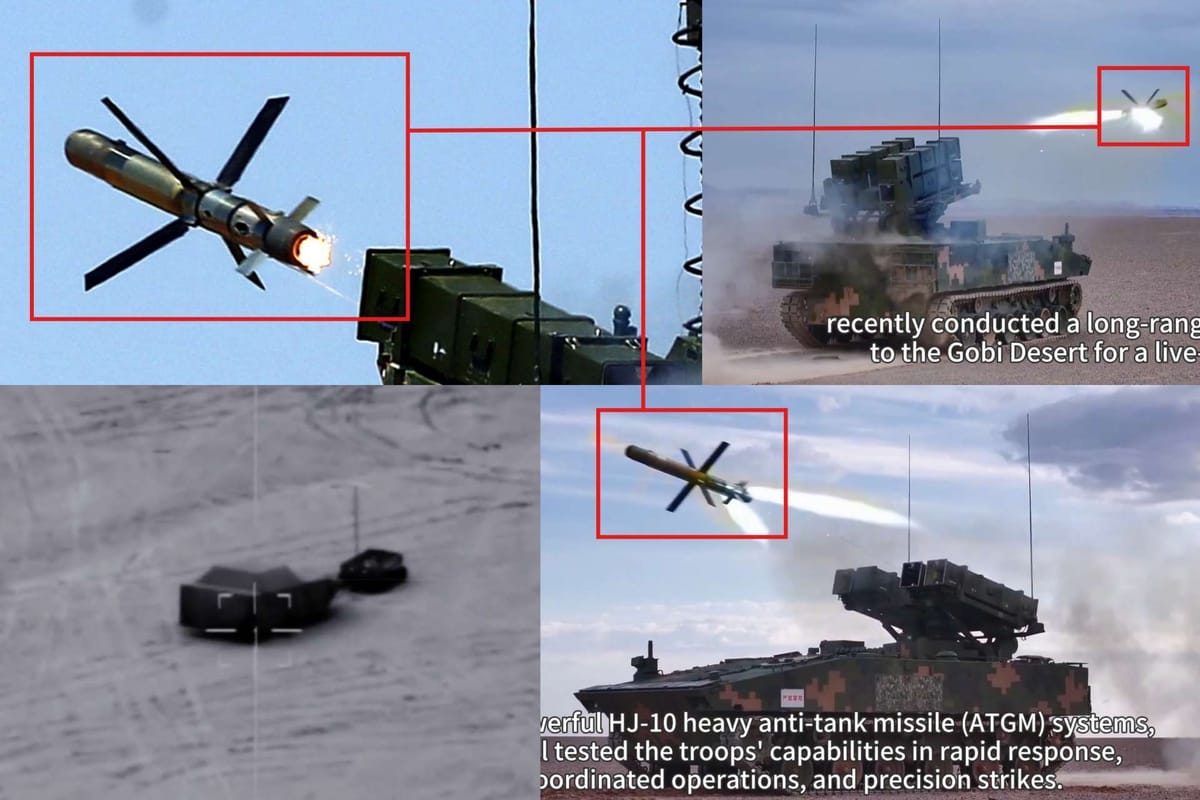
China has conducted tests of the HJ-10 anti-tank missiles in the Gobi Desert, aiming to refine its mobile anti-armor warfare tactics. This exercise reflects a broader effort by the PLA to enhance its operational capabilities against armored threats. Concurrently, North Korea has unveiled a new low-altitude tactical cruise missile specifically designed to evade South Korean radar systems, posing a direct threat to Seoul's defenses.
In another significant development, India has made strides in its drone warfare capabilities, successfully completing development trials of a compact missile system. Indian Defense Minister Rajnath Singh has characterized these trials as a “strategic milestone” toward achieving greater self-reliance in defense.
The Strategic Calculus
These advancements raise critical questions about the regional security dynamics:
- China's Mobile Warfare Enhancement: The testing of the HJ-10 missiles indicates a shift towards more agile, mobile combat strategies that could challenge existing armor units across the region.
- North Korea's Evolving Threat: The introduction of low-flying precision missiles suggests a tactical pivot aimed at exploiting weaknesses in South Korean air defenses, potentially complicating military responses in the event of conflict.
- India's Self-Reliance in Defense: The successful missile trials underscore India's commitment to bolstering its domestic defense capabilities, reflecting a strategic approach to counter regional threats.
As these nations enhance their military capabilities, analysts will be closely monitoring how these developments could reshape alliances and provoke shifts in defense strategies. The implications for U.S. interests in the region are significant, particularly in terms of countering China's assertiveness and addressing North Korea's missile threats.
On the Ground
The operational environment across Asia is rapidly evolving:
- China's HJ-10 missile tests are part of a broader military modernization effort.
- North Korea's low-altitude cruise missiles could create new challenges for South Korean air defense systems.
- India's investment in drone technology and compact missiles represents a shift towards more versatile military operations.
The interplay of these technological advancements will likely influence future military engagements and strategic partnerships in the region. Strengthened defense capabilities among these nations not only underscore their military ambitions but also highlight the need for vigilant monitoring by defense professionals focused on regional stability.
Sources: Armyrecognition, Defensenews, Institute for the Study of War, THE INTERNATIONAL AFFAIRS REVIEW, Carnegie Endowment for International Peace, and Fortune Business Insights